
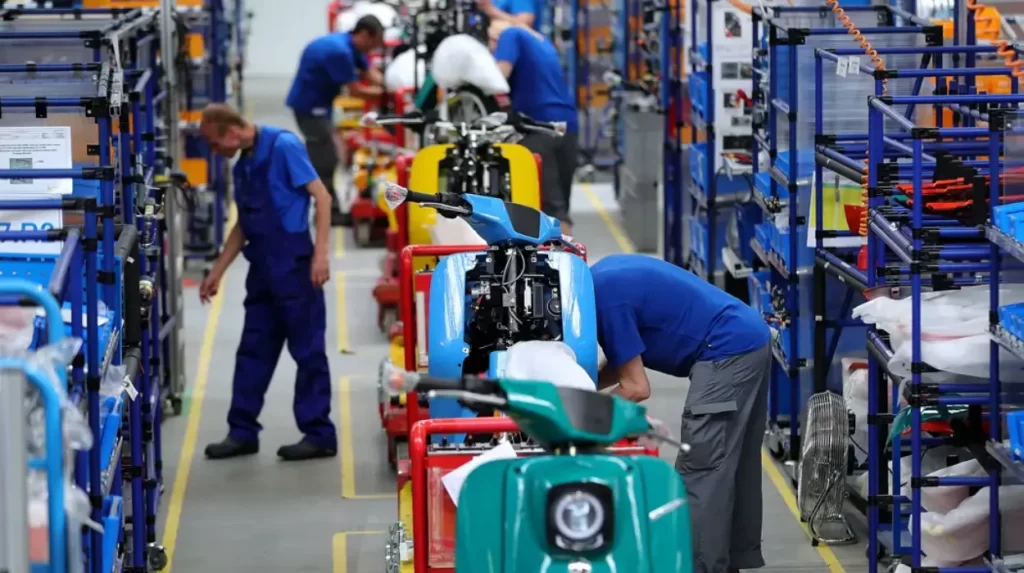

The European Union (EU) has recently introduced the “Made in Europe” initiative, a groundbreaking legal framework aimed at revitalizing its industrial sector and addressing the growing concerns of industrial decline. As global competition intensifies and economic pressures mount, this initiative seeks to bolster the continent’s manufacturing prowess while emphasizing sustainability, innovation, and local production.
At the heart of this initiative is the recognition that Europe’s industrial base has been under significant strain from various factors, including offshoring, automation, and competition from emerging economies. The EU’s response is a comprehensive set of regulations designed to incentivize companies to invest in local production. This effort not only aims to retain jobs but also to ensure that European industries remain competitive on the international stage.
One of the key components of the “Made in Europe” law is the promotion of sustainable practices. The EU has positioned itself as a leader in the global fight against climate change, and this initiative aligns with its broader environmental goals. By encouraging green technologies and sustainable manufacturing processes, the law seeks to reduce the carbon footprint associated with industrial activities while transitioning towards a circular economy.
In addition to environmental considerations, the “Made in Europe” initiative emphasizes innovation as a driver of growth. The EU plans to funnel substantial investments into research and development, fostering collaboration between public and private sectors. This focus on innovation is crucial, as it equips European industries with the tools needed to adapt to changing market demands and technological advancements.
Moreover, the initiative includes provisions to enhance the skill sets of the European workforce. By investing in education and training programs, the EU aims to provide workers with the expertise required to thrive in modern manufacturing environments. This proactive approach not only aids in job retention but also ensures that the talent pool remains robust and capable of supporting the industry’s evolution.
The “Made in Europe” initiative also addresses critical issues related to supply chain resilience. By encouraging businesses to source materials and components locally, the EU aims to mitigate the vulnerabilities exposed during global crises such as the COVID-19 pandemic. Strengthening local supply chains will not only enhance economic security but also promote regional development.
In conclusion, the EU’s “Made in Europe” law is a multifaceted response to the challenges facing the continent’s industrial sector. By fostering sustainable practices, promoting innovation, investing in workforce development, and enhancing supply chain resilience, the initiative aims to secure Europe’s industrial future. As the law rolls out, its success will depend on collaboration among governments, businesses, and communities, ushering in a new era of manufacturing that champions both economic growth and environmental responsibility.
For more details and the full reference, visit the source link below:


