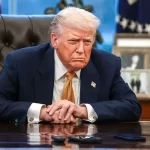
The European Parliament recently scheduled a series of debates focusing on the controversial claims made by former U.S. President Donald Trump regarding Greenland, as well as broader global crises. These discussions mark a critical examination of international relations, diplomacy, and environmental concerns in the contemporary geopolitical landscape.
Trump’s insistence in 2019 on buying Greenland, a semi-autonomous territory of Denmark, sparked a whirlwind of reactions worldwide. While he dismissed the proposal, referring to it as a “real estate deal,” the idea reignited discussions about colonialism, national sovereignty, and the evolving dynamics of global power. Critics argue that such claims reflect a disregard for the autonomy of smaller nations and a capitalist colonial mindset, while proponents might claim they are indicative of a strategic initiative to secure resources in the Arctic.
The EU Parliament’s debates are pertinent not only for their focus on Trump’s assertions but also for their implications regarding the Arctic region. With climate change accelerating, the Arctic is becoming increasingly significant for its natural resources and geopolitical strategy. As melting ice opens new shipping routes and access to mineral deposits, the discussions in the Parliament may contemplate how best to approach resource management and environmental protection collaboratively.
Moreover, the debates are timely amid various ongoing global crises, including climate change, the COVID-19 pandemic, and rising tensions in multiple geopolitical hotspots. The EU Parliament is keen to facilitate cooperation among member states to address these challenges effectively. Global crises often exacerbate existing inequalities, and the Parliament’s stance could emphasize solidarity and collaborative solutions. This is especially crucial as European countries navigate their diverse interests while striving for a cohesive foreign policy.
The debates also reflect the need for a robust transatlantic relationship in addressing global concerns. As the U.S. pivots towards a more isolationist policy, Europe may need to reassess its strategies in international relations. Engaging in dialogues regarding leadership, alliances, and multilateral efforts becomes critical for fostering stability and addressing issues that impact global security.
The EU Parliament’s focus on discussions about Trump’s Greenland claims highlights the complexities of modern diplomacy and the urgent need for decisive action on global crises. As such debates unfold, they will serve as a bellwether for the European Parliament’s approach to navigating the intricate web of international relations, prioritizing not just economic interests, but also ethical and environmental responsibilities. The outcomes of these conversations could pave the way for innovative frameworks to respond to pressing global issues in an interconnected world.
For more details and the full reference, visit the source link below: