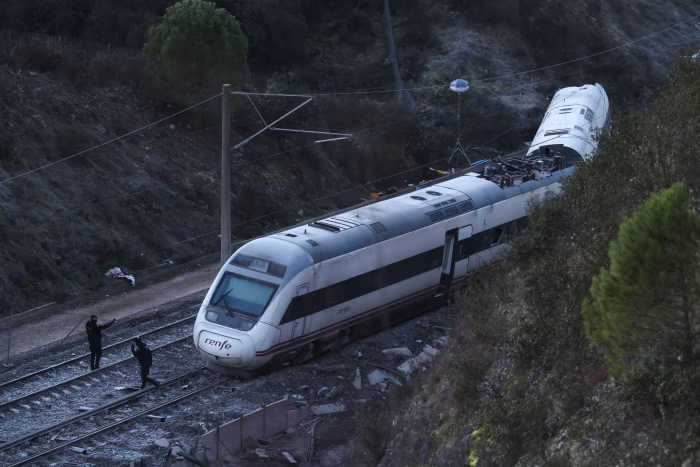

In the aftermath of recent train accidents in Spain, a thorough investigation has revealed several critical findings that are essential for enhancing rail safety and preventing future tragedies. Here are five significant outcomes from these investigations.
1. Human Error: One of the foremost findings points to human error as a primary factor in the accidents. While technology plays a vital role in modern rail systems, the investigation revealed that lapses in communication and situational awareness among train operators were significant contributors to the incidents. Fatigue and stress, exacerbated by demanding schedules, were also identified as critical elements affecting the performance of personnel. Consequently, enhancing training protocols and implementing mandatory rest periods for train crews are being recommended.
2. Infrastructure Deficiencies: The investigation underscored the importance of robust railway infrastructure. Ageing tracks and outdated signaling systems were flagged as major safety concerns. Some sections of railways lacked adequate maintenance, leading to hazardous conditions that increased the risk of derailments and collisions. The findings advocate for substantial investment in infrastructure upgrades, including the implementation of advanced signaling technology that can provide real-time updates to operators about track conditions and train movements.
3. Lack of Emergency Protocols: Many of the investigations highlighted a significant shortfall in emergency response protocols. In several instances, emergency services were slow to respond, hampered by unclear lines of communication and coordination between different agencies. The report emphasized the need for comprehensive training for emergency responders and better communication systems to ensure swift action in the event of a train accident. Establishing clear, practical emergency procedures will be crucial for minimizing casualties in future incidents.
4. Passenger Safety Measures: The findings pointed to insufficient safety measures for passengers. Inadequate measures for passenger evacuation during emergencies were identified, as well as a lack of clear information provided to passengers before and during incidents. Training staff on crowd management and evacuation procedures, alongside installing improved signage and communication systems on trains and stations, is key to enhancing passenger safety.
5. Regulatory Oversight: The investigation also called attention to the need for stricter regulatory oversight of railway operations. Inconsistent enforcement of safety regulations has resulted in gaps that could allow unsafe practices to proliferate. The establishment of a more robust regulatory framework would ensure compliance and accountability across the rail network, fostering a culture of safety that prioritizes both operational efficiency and the well-being of passengers and staff alike.
Collectively, these findings provide a roadmap for reforms aimed at significantly improving Spain’s rail safety standards and preventing future accidents. Implementing these recommendations will be crucial for restoring public confidence in the safety of rail travel.
For more details and the full reference, visit the source link below: