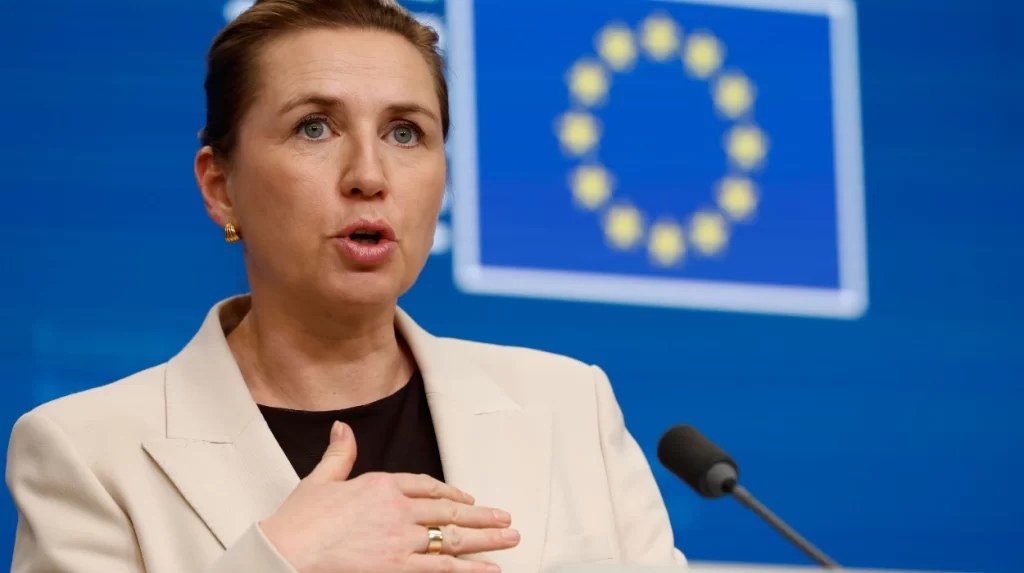

In a recent address, EU Leader Stocker tackled the pressing issue of Europe’s position in the Greenland dispute, emphasizing the strategic importance of the region amid rising global tensions and shifting geopolitical landscapes. Greenland, an autonomous territory of Denmark, has recently become a focal point due to its vast natural resources, including rare minerals and potential oil reserves, as well as its strategic location in the Arctic, which is becoming increasingly accessible due to climate change.
Stocker underscored the significance of the Arctic not just for its resources but also for global trade routes that are gradually opening up. As nations like China express growing interest in the region, Europe must come together to assert its influence and ensure that international norms are respected. Stocker noted that the EU has a vested interest in maintaining stability in Greenland and the surrounding Arctic region, advocating for a collaborative approach that includes dialogue with all stakeholders, including the indigenous Greenlandic population.
The EU’s strategy, according to Stocker, should involve not only diplomatic engagement but also investment in sustainable development initiatives within Greenland. He emphasized the need for Europe to support green technologies and practices that can benefit the local economy while preserving the unique Arctic environment. This not only aligns with the EU’s climate goals but also reinforces its position as a leader in global sustainability efforts.
Furthermore, Stocker pointed out the necessity of strengthening partnerships with Denmark, the United States, and other Arctic nations. The potential for conflict over resource claims or geopolitical dominance exists, and it is crucial for Europe to play a constructive role in mitigating tensions. He called for enhanced cooperation on issues like scientific research and environmental protection, areas where Europe has significant expertise and can contribute positively to the Arctic discourse.
In his address, Stocker also highlighted the importance of respecting the aspirations of the Greenlandic people, stating that any external involvement should be grounded in mutual respect and collaboration. As Greenland navigates its future—whether it leans towards greater autonomy or remains closely tied to Denmark and, by extension, the EU—it is paramount that the voices of its citizens are at the forefront of any discussions.
In conclusion, Stocker’s address serves as a reminder of Europe’s unique position in the Arctic and the need for a well-coordinated, strategic approach. As the continent faces complex challenges in securing its interests in Greenland, unity, dialogue, and respect for local communities will be integral to its success. The future of the Arctic may very well depend on how Europe chooses to engage in this critical geopolitical chessboard.
For more details and the full reference, visit the source link below: