
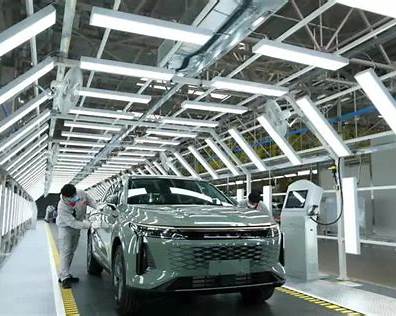


The South African auto industry is poised at a critical turning point as it approaches 2026, driven by a combination of technological advancement, emissions regulation, and global market dynamics. This pivotal moment arises from the need for the sector to adapt swiftly to shifting consumer preferences, international competitiveness, and sustainability imperatives.
First and foremost, the automotive landscape is witnessing a significant shift towards electric vehicles (EVs). With global trends showing an increasing demand for eco-friendly transportation, South Africa must align its policies and industry practices with these changes. The government has set ambitious targets to encourage the adoption of EVs, aiming for 50% of new car sales to be electric by 2030. This transition requires substantial investments in infrastructure, such as charging stations, and initiatives to develop local battery manufacturing capabilities, stimulating job creation and technological innovation.
A critical factor influencing this transition is the upcoming implementation of stricter emissions regulations. The South African automotive sector has historically been a significant contributor to greenhouse gas emissions. As the country faces growing pressure from climate change advocates and international entities to lower its carbon footprint, automakers must develop cleaner technologies. This shift not only caters to environmental concerns but also helps South African businesses enhance their competitiveness in a global market increasingly focused on sustainability.
Additionally, the growing influence of digital technology and automation represents another turning point for the industry. The rise of Industry 4.0, characterized by connected systems and smart factories, presents both opportunities and challenges. South African manufacturers must embrace digital transformation to streamline operations, improve efficiency, and eventually reduce costs. Collaboration with tech startups and universities could provide essential innovations and skills needed for this transition.
Furthermore, the global supply chain is undergoing considerable disruption due to the pandemic, geopolitical tensions, and shifting trade policies. South Africa’s auto industry is intricately linked to global markets, particularly for component sourcing and exports. Strengthening local supply chains and increasing self-sufficiency in critical components can mitigate risks and create more resilient manufacturing processes.
In conclusion, the South African auto industry stands at a critical crossroads in 2026, with the convergence of electric vehicle adoption, stringent emissions regulations, and digital transformation redefining its landscape. Stakeholders must collaborate effectively to navigate these challenges and leverage the opportunities presented. By embracing sustainability, innovation, and resilience in their strategies, South Africa can position itself as a leader in the evolving global automotive arena while securing economic growth and job creation for the future.
For more details and the full reference, visit the source link below:
Read the complete article here: https://brusselsmorning.com/south-africa-auto-industry-2026/92347/


