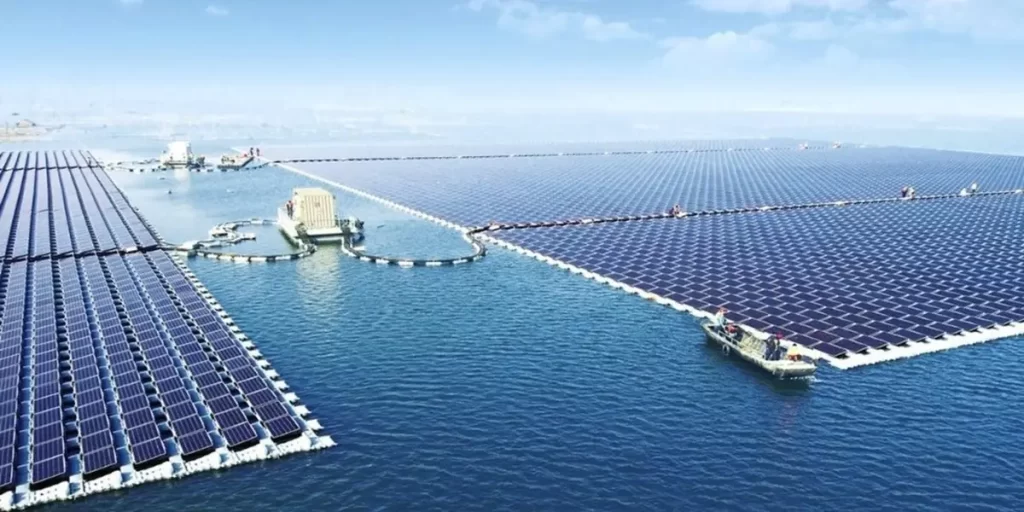

China’s power energy strategy is a pivotal component of its economic and geopolitical ambitions, particularly as it looks towards 2026 and beyond. The country is currently navigating through a transformative phase where energy policy is not just about meeting domestic demand but also about asserting its influence on the global stage.
One of the central pillars of China’s energy strategy is its commitment to renewable energy. By 2026, China aims to increase the share of non-fossil fuels in its energy consumption to over 25%. This commitment is underpinned by significant investments in solar, wind, and hydroelectric power. As the world’s largest producer of solar panels and wind turbines, China is positioned not only to meet its own energy needs but also to export technology and expertise, enhancing its role as a global leader in the green energy transition.
China’s Belt and Road Initiative (BRI) further amplifies its global energy strategy. Through the BRI, China seeks to build energy infrastructure and collaborate on projects across Asia, Africa, and Europe. This initiative not only provides necessary funding for developing countries but also creates dependencies that can solidify China’s geopolitical influence. By 2026, China’s energy diplomacy is expected to deepen, leveraging energy cooperation to forge stronger bilateral relationships and increase its soft power.
However, the global landscape is complex. As climate concerns intensify, China faces pressure from other nations and international organizations to transition more rapidly away from coal, which has long been the backbone of its energy policy. While China has made strides in renewable energy, it remains the world’s largest coal consumer, and balancing immediate energy needs with long-term climate commitments is a challenging task.
The impact of China’s energy strategy is multidimensional. Economically, it has the potential to stimulate growth in green technology sectors both domestically and globally. Politically, it allows China to position itself as a leader in the fight against climate change while addressing its energy security concerns. However, the strategy also faces external scrutiny and competition, primarily from the United States and the European Union, which are also ramping up their renewable energy efforts.
As China approaches 2026, its energy strategy will likely shape not only its domestic landscape but also the broader dynamics of global energy markets and international relations. How successfully China navigates the complexities of energy transition, geopolitical tensions, and environmental responsibilities will determine its role as a key player in shaping the future of global energy systems.
For more details and the full reference, visit the source link below: