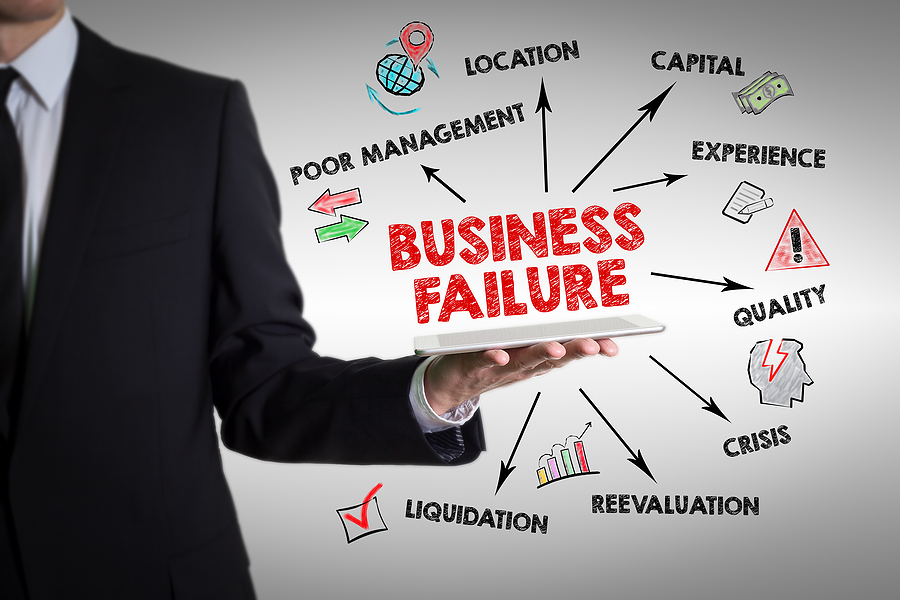

The Leading Cause Behind Closures: Economic Shifts
In recent years, closures of businesses, schools, and institutions have become increasingly common, sparking debates about their underlying causes. While various factors contribute to these phenomena, economic shifts stand out as the leading cause. Economic changes can manifest in numerous ways, including market fluctuations, unemployment rates, and evolving consumer behaviors. Understanding these shifts is crucial for grappling with the closures that have left many communities in distress.
One significant factor is the rise and fall of economic sectors. For instance, the surge in e-commerce during the COVID-19 pandemic led to the decline of brick-and-mortar stores. Retail giants like Sears and J.C. Penney struggled to maintain their foothold in an increasingly digital landscape, resulting in widespread closures. As consumers shifted towards online shopping, traditional retailers that could not adapt to this new model faced dire repercussions.
Moreover, economic downturns, such as recessions, often prompt businesses to make difficult decisions, including closures or downsizing. The 2008 financial crisis exemplified this phenomenon as numerous establishments shut their doors due to plummeting consumer spending and tightening credit. For many, the inability to sustain operations in a tumultuous economy leads to layoffs, bankruptcies, and ultimately, closures. This has a cascading effect, contributing to unemployment and further reducing consumer spending, thereby perpetuating the cycle of economic decline.
Another contributing element is technological advancements that demand adaptation from various sectors. Many industries have faced transformative changes due to innovations like automation and artificial intelligence. While these advancements can enhance productivity, they also render certain jobs obsolete, causing businesses to restructure or shut down. For instance, manufacturers that failed to embrace automation saw competitors leap ahead, leading to their eventual closure.
Additionally, changing consumer behaviors driven by economic shifts play a critical role in determining which businesses thrive and which falter. The modern consumer is more informed and values convenience, sustainability, and transparency. Companies that do not align with these values risk losing market share. For example, local restaurants may close if they fail to provide delivery options or if their product offerings do not resonate with health-conscious consumers.
In conclusion, while many factors contribute to business closures, economic shifts are at the forefront, influencing market dynamics, consumer behavior, and technological adaptation. As economies evolve, understanding these trends is vital for businesses and communities striving to navigate and mitigate the closures that disrupt lives and livelihoods. By adapting to economic realities, stakeholders can create more resilient systems that are better equipped to endure future uncertainties.
For more details and the full reference, visit the source link below: