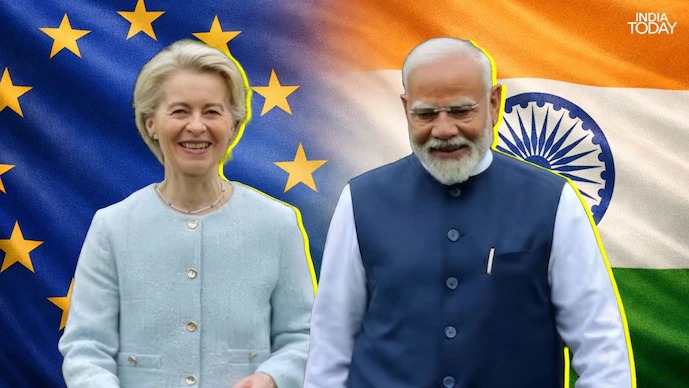

The proposed India-EU trade deal, anticipated to be finalized in 2026, has sparked a flurry of policy discussions and critical examinations from various stakeholders. This agreement, primarily aimed at deepening economic ties, trade relations, and collaborative efforts between the two regions, raises crucial questions regarding its implications for both parties involved.
From an economic standpoint, the potential of the India-EU trade deal is substantial. The EU is one of India’s largest trading partners, and enhancing this relationship could lead to increased exports and enhanced access to European markets for Indian goods and services. However, critics point out that the deal could exacerbate existing economic disparities. For India, the challenge lies in ensuring that the agreement does not favor European businesses at the expense of local industries. Policymakers must navigate these complexities to foster a mutually beneficial arrangement.
One critical area of concern is the regulatory alignment between the two parties. The EU has stringent standards and regulations, particularly concerning labor rights, environmental sustainability, and consumer protection. India, on the other hand, has been criticized for lower regulatory benchmarks in some sectors. This disparity raises questions about how effectively both parties can reconcile their differences without compromising their own domestic priorities.
Another pertinent issue is the potential impact on agricultural policies. India is home to a vast agricultural sector that employs a significant portion of its population. EU agricultural policies are heavily subsidized, which could adversely affect Indian farmers if competitive practices lead to an influx of cheaper European agricultural products. Policymakers need to ensure safeguards are in place to protect local farmers from unfair competition, balancing trade liberalization with necessary protections.
Moreover, the trade deal brings socio-political questions to the forefront. The rise of nationalism and protectionism in both regions may complicate negotiations. Public sentiment can influence policymakers’ approaches, with both communities wary of perceived economic imperialism and cultural encroachment. This underscores the importance of engaging civil society and addressing public concerns during the negotiation process, rather than treating it as merely a technical affair.
In conclusion, while the India-EU Trade Deal of 2026 holds significant potential for economic growth and cooperation, it also raises critical policy questions that must be addressed. Properly navigating issues of regulatory alignment, agricultural protection, and socio-political sensitivities will be vital in securing a sustainable and equitable agreement that fosters long-term benefits for both India and the European Union. The outcome will likely set a precedent for future trade agreements in a rapidly changing global trade landscape.
For more details and the full reference, visit the source link below: