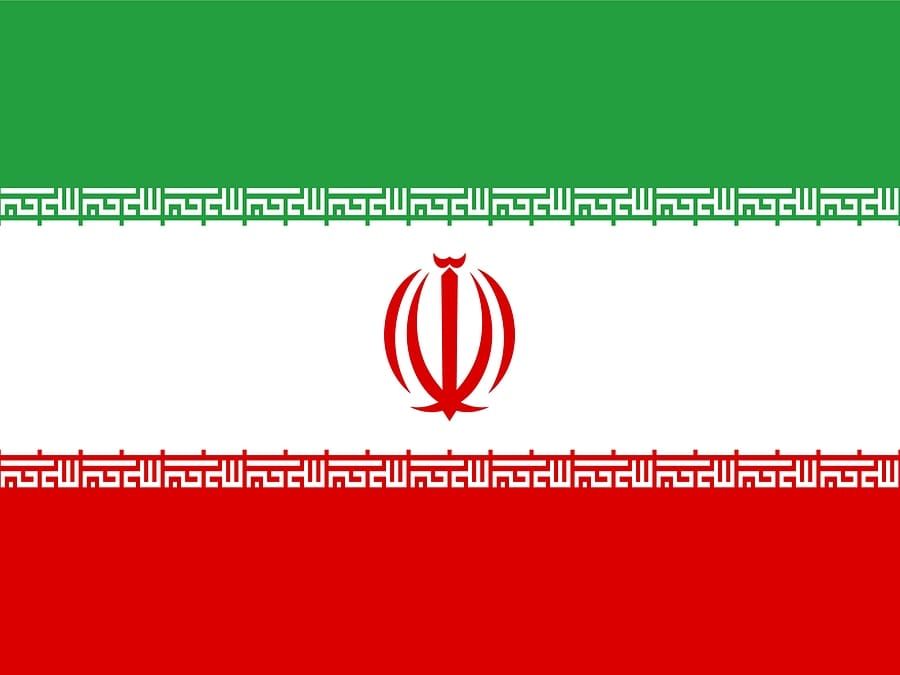

Tensions between Iran and the United States have escalated dramatically, with Tehran issuing a stern warning of immediate retaliation should the U.S. engage in military action against the Islamic Republic. This statement comes on the heels of various geopolitical incidents that have placed both nations on a precarious edge. The warnings highlight the complex interplay of military strategy, regional influence, and national pride that characterize U.S.-Iran relations.
Iran has consistently maintained a defensive posture, emphasizing that any attacks on its sovereignty will be met with robust responses. The Iranian government, amidst increasing pressure from international sanctions and hostile rhetoric, views its military readiness as a vital element of national security. President Ebrahim Raisi and other officials assert that Iran will not stand idly by while external forces threaten its territorial integrity and regional interests.
The backdrop to these threats involves a myriad of factors, including Iran’s nuclear ambitions, support for proxy groups across the Middle East, and its contentious history with the U.S. since the 1979 Islamic Revolution. The Joint Comprehensive Plan of Action (JCPOA), known as the nuclear deal, initially aimed to curb Iran’s nuclear program in exchange for lifting sanctions. However, the U.S. withdrawal from the agreement in 2018 under the Trump administration soured relations further, leading Iran to incrementally breach the deal’s terms.
The U.S. has frequently conducted military exercises in the region, alongside its allies, which Iran perceives as direct provocations. The late General Qassem Soleimani’s assassination in 2020 served as a catalyst for increased hostile rhetoric and actions. Iran’s military leaders have vowed to avenge Soleimani’s death, further complicating the potential for dialogue.
In recent months, Iran has demonstrated its military capabilities through various military drills and the showcasing of advanced weaponry, signaling that it possesses the means to fulfill its retaliatory promises. The Iranian Revolutionary Guard Corps (IRGC), an elite military force within Iran, has been particularly vocal about its readiness to engage in both defensive and offensive operations if necessary.
The geopolitical implications of a U.S.-Iran conflict extend beyond the immediate region. Escalation could lead to wider instability in the Middle East, impacting global oil markets and international relations. The international community, grappling with economic challenges and diplomatic issues, is keenly aware that a military confrontation could have far-reaching consequences.
In this fraught atmosphere, diplomacy remains the optimal path for de-escalation, yet the rhetoric from both sides continues to raise the specter of an unwanted conflict. Both nations must navigate their national interests carefully to prevent a scenario that could spiral out of control, underscoring the urgency of dialogue and compromise for long-term stability in the region.
For more details and the full reference, visit the source link below: