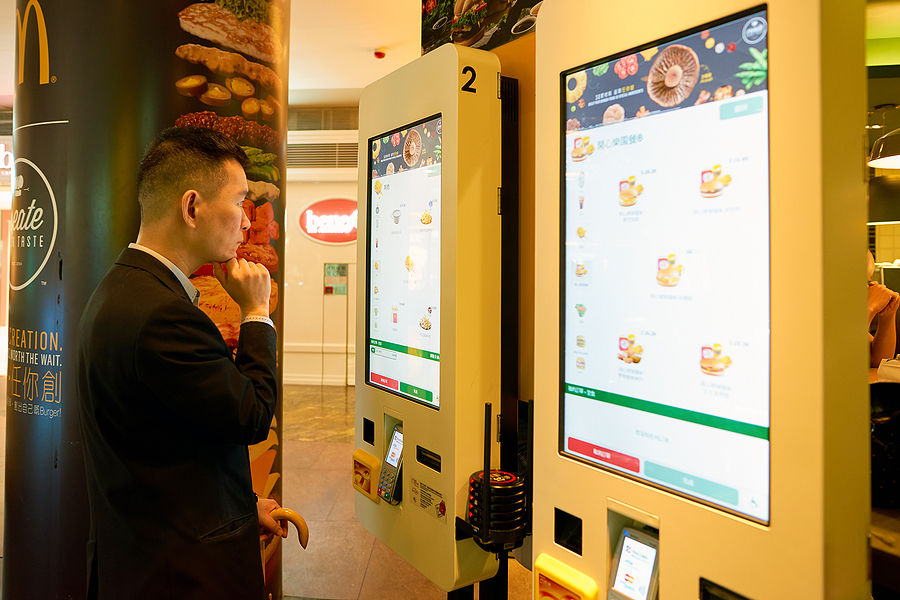

In an era where technology continually reshapes our daily lives, local venues are increasingly turning to cashless kiosks to enhance customer service and streamline operations. As businesses grapple with the dual demands of efficiency and customer experience, the implementation of cashless kiosks is emerging as a promising solution.
These kiosks—self-service terminals equipped with payment capabilities—allow customers to place orders, pay, and even collect receipts without the need for human interaction. This innovative approach not only accelerates the transaction process but also reduces the likelihood of long lines, a common pain point in high-traffic venues such as restaurants, concert halls, and sports arenas.
One of the primary benefits of cashless kiosks is their ability to minimize wait times. By automating aspects of the ordering and payment process, venues can handle a higher volume of customers in less time. For example, restaurants can see customers seated, ordered, and served in a fraction of the time it once took, allowing them to accommodate more patrons and ultimately increase revenue. This efficiency is especially crucial in environments where customer flow fluctuates dramatically, such as event venues or seasonal attractions.
Moreover, cashless kiosks are more than just a means of speeding up service; they facilitate smoother operations for staff as well. Employees can focus their attention on food preparation and customer engagement rather than managing transactions and resolving payment issues. This shift enables better service quality and can enhance customer satisfaction. In fact, venues using kiosks often report improved feedback from guests, who appreciate the faster service and enhanced convenience.
Security is another vital consideration in the shift towards cashless systems. With the rise in digital payment methods, venues can take advantage of advanced encryption technologies that safeguard customer information through secure payment processing. This enhances the overall confidence that patrons have in using such systems, thereby encouraging adoption.
However, while the benefits are clear, transitioning to cashless kiosks is not without its challenges. Venues must ensure that customers are comfortable using the technology, which may require staff training and ongoing support for patrons who may be unfamiliar with these devices. Additionally, providing an option for those who prefer traditional payment methods is essential to ensure inclusivity.
In conclusion, local venues testing cashless kiosks are paving the way for a new era of customer service that prioritizes speed, efficiency, and safety. As technology continues to evolve, the implementation of these systems can potentially redefine how local businesses operate, ensuring they remain competitive and responsive to the needs of their patrons. With the right approach, cashless kiosks can enhance the customer experience and drive business growth in the modern marketplace.
For more details and the full reference, visit the source link below: