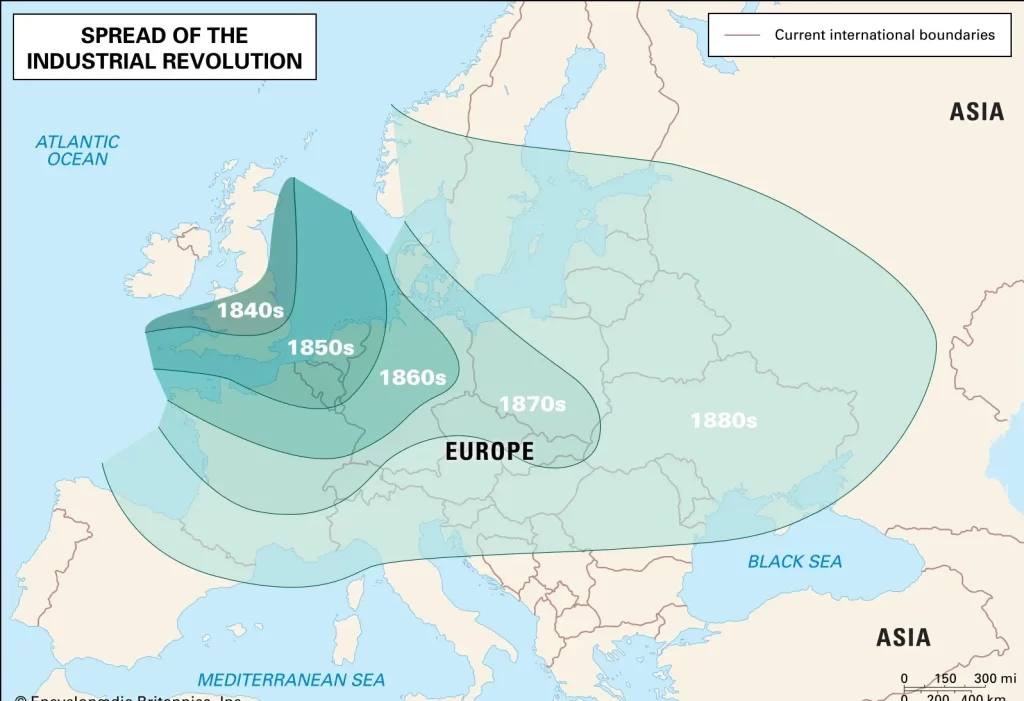


The industrial revolution in Belgium, often regarded as the “second act,” marked a significant transformation in the country’s economic landscape during the late 19th and early 20th centuries. Following an initial wave of industrialization in the early 19th century, Belgium experienced a resurgence characterized by technological innovation, diversification of industries, and impactful social changes.
The foundations laid during the first industrial revolution provided a springboard for advancements in various sectors. The textile industry, which had been the backbone of early industrial activities, evolved with the introduction of new machinery and production techniques. Factories began to incorporate steam power more effectively, leading to greater output and efficiency. This period saw the emergence of significant textile hubs such as Ghent and Lille, where cotton and wool industries flourished.
Furthermore, the expansion of the coal and steel industries played a pivotal role during this second act. Regions like Wallonia became synonymous with heavy industry, as coal mining operations proliferated. The rich deposits of coal supported the burgeoning steel industry, which began to adopt innovations such as the Bessemer process. This method revolutionized steel production, making it more efficient and economically viable. The resulting increase in steel output not only fueled infrastructure projects but also bolstered the growth of machine manufacturing and transportation networks.
As Belgium continued to industrialize, the emergence of the chemical industry marked another defining feature of this period. Companies began experimenting with synthetic dyes, fertilizers, and medicines, positioning Belgium as a leader in chemical production. This diversification of the industrial base helped mitigate the economic vulnerability associated with reliance on a few key sectors.
Socially, the second industrial revolution brought about significant changes in labor dynamics. The growth of factories and urban centers led to an influx of workers seeking employment. However, this transition was not without challenges; labor disputes, poor working conditions, and the rise of worker movements became commonplace. In response, unions began to organize, advocating for better wages, working hours, and safety regulations.
In addition to economic and social transformations, this era fostered remarkable advancements in transportation, notably through the development of railways. The expansion of the railway network facilitated domestic trade and allowed for quicker movement of goods and resources, thereby connecting industrial centers like Liège and Charleroi with major ports.
In conclusion, the second act of the industrial revolution in Belgium was a profound period of growth characterized by innovations in various sectors, significant social changes, and the establishment of Belgium as a powerhouse in industries like textiles, coal, steel, and chemicals. This era not only reshaped the country’s economy but also laid the groundwork for modern industrial practices that continue to resonate today.
For more details and the full reference, visit the source link below:
Read the complete article here: https://brusselsmorning.com/industrial-revolution-in-belgium/92735/