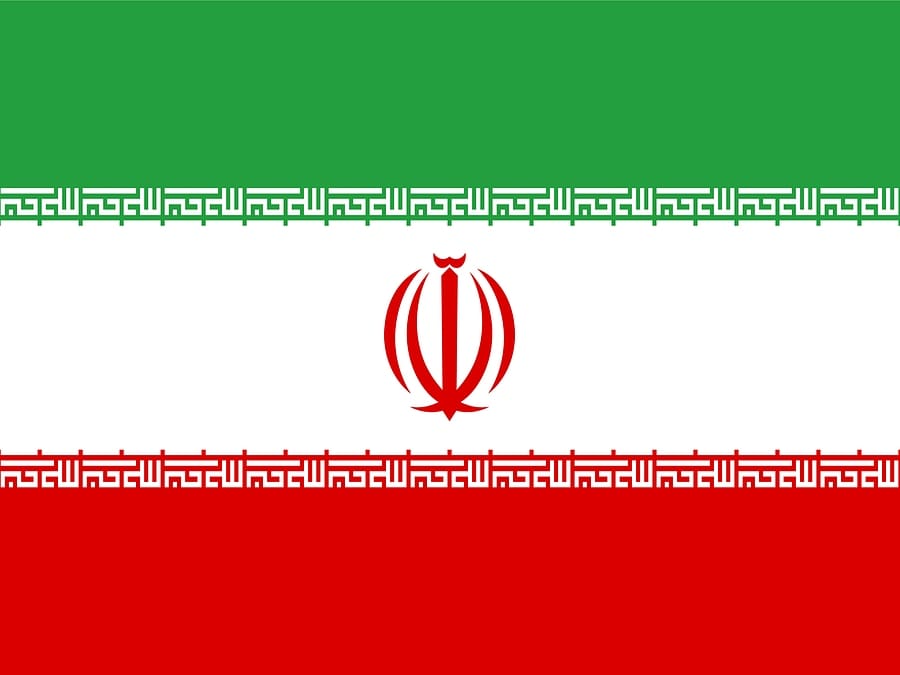

The Iranian nuclear facilities have been a focal point of international concern and scrutiny, particularly due to rising tensions over the potential development of nuclear weapons. Over the past few decades, Iran’s nuclear program has evolved from a largely civilian initiative aimed at energy production to a source of geopolitical conflict. The facilities involved, most notably those in Natanz and Fordow, have been under constant observation by the International Atomic Energy Agency (IAEA) and various intelligence agencies from around the world.
Recent reports indicate a surge in activity at these sites, raising alarms in the international community. The Natanz facility is home to Iran’s uranium enrichment program, which has the capacity to produce material suitable for both civilian and military applications. The site has seen advancements in centrifuge technology, which allow for more efficient and faster enrichment processes, raising fears that Iran could soon enrich uranium to weapons-grade levels. This has prompted calls for renewed diplomatic efforts to curb the program.
The Fordow facility, located underground, is particularly fortuitous from a defensive standpoint; its subterranean structure offers some protection against potential military strikes. This facility has reportedly been used to enrich uranium to higher levels, further complicating the diplomatic landscape. The ongoing enrichment activities suggest that Iran is not merely pursuing energy independence; it may be aiming for a deterrent capability amidst perceived threats.
The Joint Comprehensive Plan of Action (JCPOA), which was established in 2015, sought to limit Iran’s nuclear ambitions in exchange for sanctions relief. However, the United States’ withdrawal from the agreement in 2018 led to a breakdown in negotiations and permitted Iran to abandon its commitments. In the absence of effective oversight, the recent uptick in enrichment and other nuclear activities rings alarm bells across the globe.
As tensions mount, regional security dynamics are also in flux. Countries like Israel view Iran’s potential nuclear capability as an existential threat, leading them to undertake a range of covert and overt operations aimed at mitigating this perceived danger. The implications are profound; should Iran develop nuclear weapons, it could trigger a nuclear arms race in the Middle East, with neighboring countries feeling compelled to bolster their own arsenals.
In conclusion, the activities at Iran’s nuclear facilities not only pose a challenge for global non-proliferation efforts but also heighten tensions in an already volatile region. A concerted diplomatic approach is essential to address the complexities of Iran’s nuclear program, mitigate risks, and establish a framework for future cooperation and security. The stakes are incredibly high, and the pathway forward requires skillful diplomacy and unwavering vigilance.
For more details and the full reference, visit the source link below: