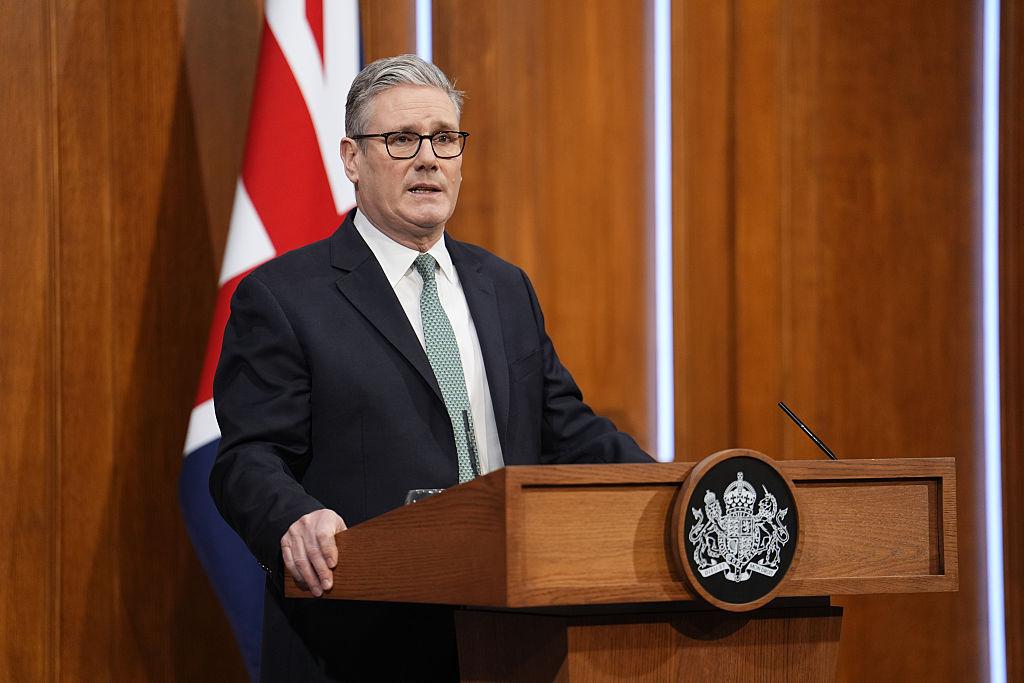

In a significant and much-publicized event in 2026, Sir Keir Starmer, the leader of the UK Labour Party, issued a heartfelt apology to the victims of Jeffrey Epstein, a convicted sex offender whose actions had far-reaching implications for countless individuals. The apology, delivered at a press conference in London, aimed to acknowledge the suffering endured by those exploited by Epstein and his associates, particularly given the connections Epstein had within the political and social landscape.
Starmer’s apology came against the backdrop of mounting scrutiny regarding the handling of Epstein’s case and the implications it carried for institutions that failed to protect vulnerable individuals. He emphasized the importance of understanding the profound trauma experienced by victims, stating, “We must recognize that these individuals faced unimaginable horrors and that their voices have often been sidelined or ignored in discussions surrounding this grave issue.”
During his address, Starmer called for renewed efforts to support victims of sexual abuse and trafficking, underscoring that systemic issues must be addressed to prevent such exploitation from recurring. He outlined a commitment to ensuring that legislation aimed at protecting vulnerable populations would be prioritized, and he urged all political parties to work collaboratively in this vital effort.
The timing of Starmer’s apology was crucial. In the wake of various high-profile cases that had reignited the debate on sexual violence, public sentiment was increasingly focused on accountability. Many applauded Starmer for his candid acknowledgment of the failings of institutions, including the political establishment, in addressing the pervasive culture of silence and complicity surrounding such abuse. Critics, however, pointed out that apologies must be followed by substantial actions to bring justice and support to victims.
Starmer’s approach was seen as a pivotal moment for the Labour Party, marking a departure from previous efforts that often sidestepped tough conversations about sexual violence. By taking a stand, Starmer positioned himself as a leader willing to confront uncomfortable truths, resonating with a public increasingly demanding accountability from those in power.
In addition to his verbal commitment, Starmer announced a series of initiatives aimed at improving support for survivors, including increased funding for mental health services and training for law enforcement to better handle sensitive cases. The Labour Party’s renewed focus on this issue was seen as an essential step in restoring public trust—both in the party and in the broader political system.
As this chapter in the UK’s political landscape unfolds, the true effects of Starmer’s apology will depend on the actions that follow it, illustrating the ongoing responsibility of leaders to advocate for change and justice for the most vulnerable in society.
For more details and the full reference, visit the source link below: