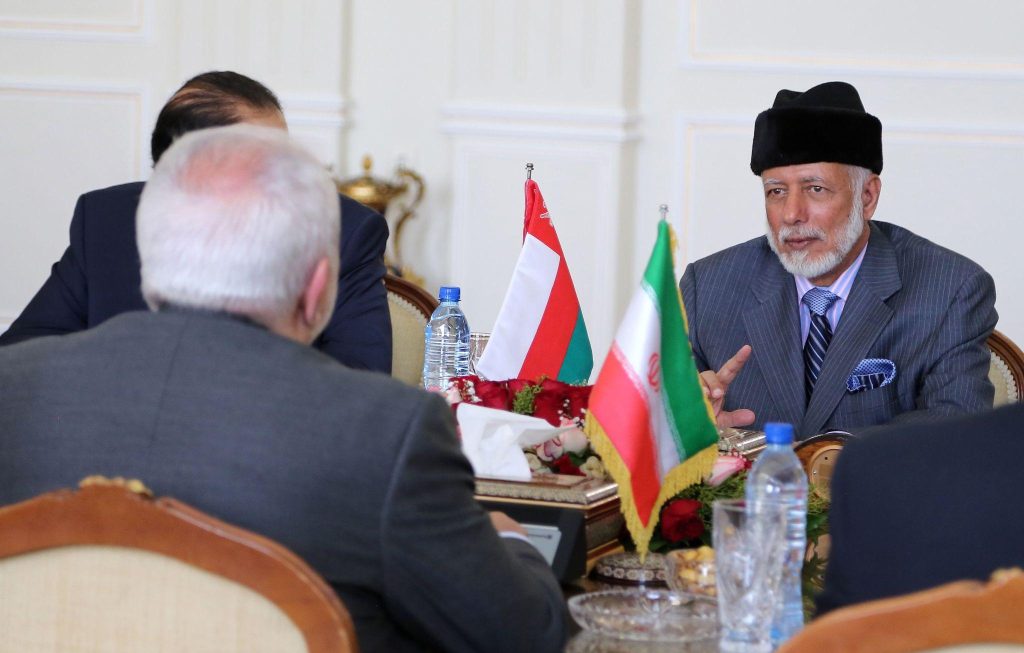

In 2026, the diplomatic landscape between Iran and the United States saw a remarkable transformation as talks held in Oman gained significant momentum, indicating a potential breakthrough in a relationship fraught with tension for decades. This dialogue was emblematic of both nations’ shifting priorities amid regional and global changes, underscoring the necessity for diplomatic engagement over hostility.
Oman has long served as a neutral ground for international diplomacy, leveraging its relationships with both Tehran and Washington to facilitate conversations that might otherwise have been stymied by mistrust. The 2026 talks focused on several critical issues, including nuclear proliferation, regional security, and economic sanctions that have crippled Iran’s economy. These discussions came at a pivotal moment, as the international community faced escalating concerns over Iran’s nuclear ambitions and its influence in the Middle East.
The breakthrough in negotiations can be attributed to various factors. Firstly, Iran’s leadership recognized the need for economic stability amid ongoing domestic unrest fueled by sanctions and isolation. In response, the U.S. seemed willing to reconsider its maximum pressure tactics, driven by a desire to stabilize the region and address rising energy prices resulting from geopolitical tensions.
Furthermore, both sides were buoyed by the changing dynamics in the Middle East. Regional players, including Saudi Arabia and Israel, were increasingly advocating for a de-escalation of hostilities, recognizing that ongoing confrontations could deter foreign investments and destabilize their own economies. This shift fostered an environment conducive to negotiations, with both nations seeing the value in establishing a framework for dialogue that could lead to mutual benefits.
The discussions in Oman also highlighted the importance of multilateral engagement. Both Iran and the U.S. acknowledged the necessity of involving other regional stakeholders, including Gulf States and European powers, to create a comprehensive agreement. Such a collaborative effort was essential for ensuring that any agreements reached would be sustainable and respected by all parties involved.
As talks progressed, there emerged a growing understanding between Iran and the U.S. that networking and building trust were crucial components of any future relationship. Confidence-building measures, such as prisoner exchanges and easing certain sanctions, were discussed as initial steps towards a broader agreement.
In conclusion, the 2026 talks in Oman represented a significant turning point in U.S.-Iran relations. Both countries demonstrated a willingness to engage in dialogue, reflecting an understanding that constructive communication could pave the way for stability in a historically volatile region. The momentum from these talks could ultimately set the stage for a new era in international relations, emphasizing diplomacy as the preferred path forward.
For more details and the full reference, visit the source link below:
Read the complete article here: https://brusselsmorning.com/iran-us-talks-in-oman-muscat/93375/