
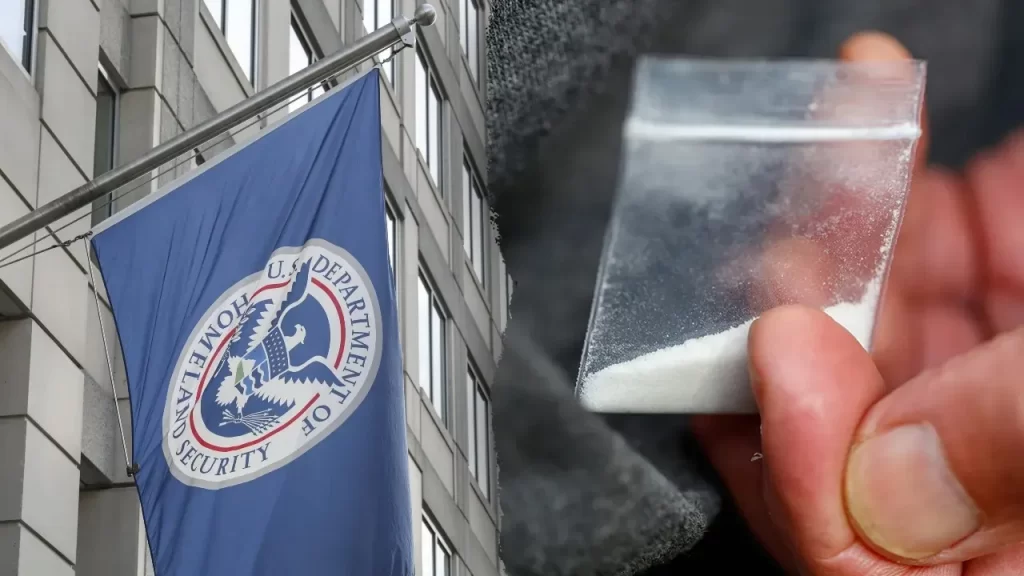

DHS Warns: Domestic Partners Using Chemical Toxins to Harm Victims
Introduction
In a troubling development, the Department of Homeland Security (DHS) has issued warnings about the alarming trend of domestic partners using chemical toxins to harm their victims. This rising phenomenon poses significant risks not only to individuals but also to communities at large. This article delves into the underlying issues, the danger posed by chemical toxins, and what can be done to mitigate these risks.
Understanding Domestic Violence and Chemical Toxins
The Scope of Domestic Violence
Domestic violence is an insidious problem that affects millions of individuals globally. Traditionally, domestic violence has been associated with physical abuse, emotional manipulation, and psychological torment. However, the emergence of chemical toxins as a method of harm adds a disturbing layer to this already complex issue.
What Are Chemical Toxins?
Chemical toxins refer to harmful substances that can cause illness, injury, or even death when introduced into the body. These can range from household chemicals to more specialized industrial chemicals. In the context of domestic violence, these toxins may be used to incapacitate or injure victims without drawing immediate attention.
The Dangers of Chemical Toxins in Domestic Settings
Health Risks
Using chemical toxins as a method of harm can have severe health consequences. Symptoms of exposure can range from mild respiratory issues and skin irritations to severe neurological damage or even fatal outcomes. Victims may not initially recognize the symptoms as resulting from toxin exposure, complicating medical interventions.
Covert Abuse
One of the most manipulative aspects of utilizing chemical toxins in domestic violence is the covert nature of the abuse. Unlike physical violence, which often leaves visible scars, exposure to toxins may go unnoticed for extended periods. This can create a sense of confusion and helplessness in the victim, making it difficult for them to seek help.
Long-Term Psychological Impact
The trauma inflicted by such subtle methods of abuse can have lasting psychological effects. Victims may suffer from anxiety, depression, and post-traumatic stress disorder (PTSD). The unpredictability of toxin exposure creates an environment of constant fear, contributing to the victim’s emotional turmoil.
Responding to the Threat: A Call to Action
Awareness and Education
Raising awareness about the potential use of chemical toxins in domestic abuse is crucial. Educational programs should focus on helping individuals recognize signs of toxin exposure and understanding the dangers involved.
Law Enforcement Training
Local law enforcement agencies must receive training on the signs of chemical toxin abuse. This training should include understanding the common substances that may be used, how to collect evidence, and creating safe pathways for victims to report incidents.
Support for Victims
Providing robust support systems for victims is paramount. This includes offering access to medical assistance, counseling, and legal support tailored to the unique needs of those affected by chemical toxin abuse.
Legal Implications and Policy Recommendations
Strengthening Laws Against Domestic Violence
Current domestic violence laws may not sufficiently address the unique challenges posed by chemical toxins. Policymakers need to advocate for the inclusion of toxic exposure in domestic violence statutes, ensuring that legal frameworks are comprehensive and protective.
Research and Public Policy
Investing in research to better understand the prevalence and impact of chemical toxins in domestic violence situations is essential. Policymakers should collaborate with researchers to craft effective intervention strategies, public health campaigns, and educational materials.
Community Action and Resources
Building Community Awareness
Communities must come together to build awareness and resources tailored to tackle the unique challenges posed by chemical toxins in domestic violence. Local organizations can create programs and workshops that educate community members on recognizing and responding to signs of abuse.
Support Networks
Creating robust support networks that include health professionals, law enforcement, and community organizations can help ensure that victims receive the care they need. These networks can work together to provide essential resources such as shelters, counseling, and legal aid.
Conclusion
The DHS’s warning about domestic partners using chemical toxins to harm victims highlights a critical issue within the broader context of domestic violence. As our understanding of this disturbing trend evolves, it is imperative that communities engage in proactive measures to raise awareness, improve responses, and offer support to victims. By working collaboratively, we can cultivate safer environments and ultimately prevent the misuse of chemical toxins in domestic situations.
Call to Action
If you or someone you know may be experiencing domestic violence, it is crucial to reach out for help. Contact local resources, such as hotlines or support services, to access the assistance you need. Together, we can raise awareness, advocate for change, and protect those who are vulnerable.


