
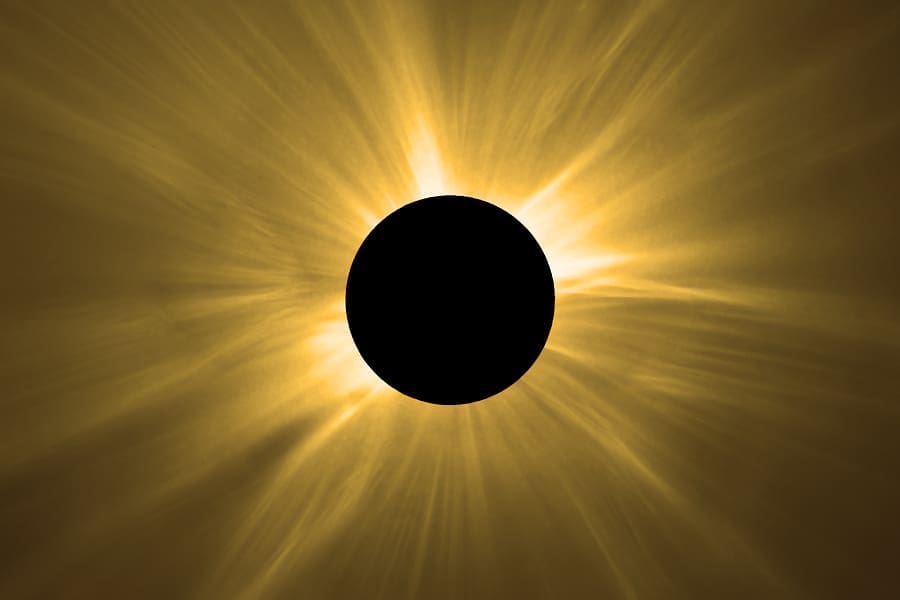


On March 3, 2026, skywatchers around the world will have the rare opportunity to witness a total lunar eclipse, a celestial event that captivates both astronomers and casual observers alike. During a total lunar eclipse, the Earth positions itself directly between the sun and the moon, causing the Earth’s shadow to completely cover the moon. This phenomenon results in a mesmerizing display of colors, as the moon can take on shades of deep red or copper, often referred to as a “blood moon.”
Lunar eclipses occur several times a year, but total eclipses are less frequent and are eagerly anticipated by enthusiasts. The upcoming eclipse in 2026 will be particularly notable not just for its totality, but also because it will offer a great opportunity for observers in various regions. While total lunar eclipses can be viewed from anywhere on the night side of the Earth, the visibility varies depending on the geographic location.
For those in North America, Europe, and parts of Africa, this total lunar eclipse will be especially accessible. Enthusiasts in these areas should plan ahead, as optimal viewing conditions can significantly enhance the experience. This includes finding a location away from light pollution, making sure to have clear skies, and being prepared with the right equipment if they wish to capture the event on camera.
Moreover, lunar eclipses provide an excellent opportunity for educational outreach. Schools and local astronomy clubs often host viewing parties, where knowledgeable individuals can explain the science behind these fascinating phenomena. Observing a total lunar eclipse can ignite interest in astronomy, inspiring the next generation of scientists and space enthusiasts.
The March 3, 2026 eclipse will last several hours, giving viewers ample time to admire the gradual onset of the shadow. The transformation of the moon, shaded in various colors and hues, showcases the unique interaction of sunlight and Earth’s atmosphere—the blue wavelengths scatter, letting only the red light pass through and illuminate the moon.
As anticipation builds for this spectacular event, it’s worth noting that lunar eclipses have held cultural significance throughout history. Many ancient civilizations regarded them as omens or signs from the gods. Today, they continue to inspire awe and wonder, reminding us of the intricate workings of our universe.
In summary, the total lunar eclipse on March 3, 2026, will be an exceptional event that offers a chance for astronomical appreciation, scientific learning, and community connection as people gather to witness one of nature’s most enchanting displays.
For more details and the full reference, visit the source link below:
Read the complete article here: https://www.stl.news/total-lunar-eclipse-set-for-march-3-2026/


