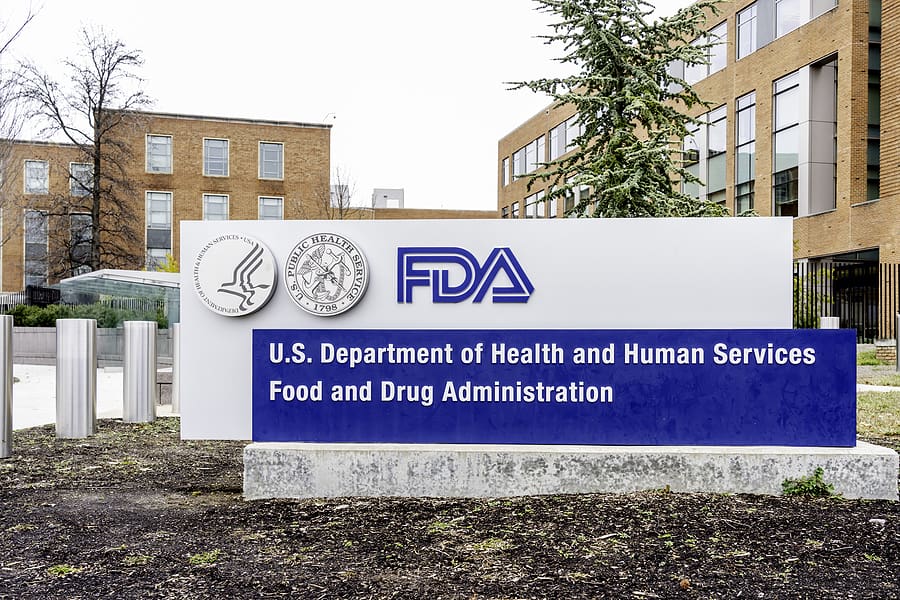

In a significant move within the pharmaceutical regulatory landscape, the U.S. Food and Drug Administration (FDA) has indicated its intent to take enforcement actions against non-approved GLP-1 receptor agonists. This decision comes amid growing concerns surrounding the safety and efficacy of these medications, which have gained attention for their potential in managing type 2 diabetes and obesity.
GLP-1, or glucagon-like peptide-1, is a hormone that plays a crucial role in glucose metabolism and appetite regulation. Approved GLP-1 receptor agonists, such as semaglutide and liraglutide, have demonstrated substantial benefits in controlling blood sugar levels, promoting weight loss, and reducing risk factors for cardiovascular diseases. However, the surge in popularity of these drugs has also led to an increase in the availability of non-approved products that mimic their effects, often marketed without rigorous clinical testing or oversight.
The FDA’s announcement signals a proactive approach to curbing the distribution and marketing of these non-approved alternatives, which can pose serious health risks to consumers. The agency emphasizes that many of these unapproved products lack essential information on their safety, effectiveness, and potential side effects, leaving patients vulnerable to ineffective and possibly harmful treatments. This situation raises alarms about the overall integrity of the healthcare system, where patients might be swayed by misleading advertising and anecdotal success stories.
Moreover, the rise of non-approved GLP-1 products reflects a broader trend in the pharmaceutical industry, where demand for quick-fix solutions to complex health issues often outstrips the regulatory frameworks designed to protect public health. The FDA’s recent actions are, therefore, not only a safeguard against potentially dangerous substances but also a call to consumers to exercise caution and due diligence when considering weight-loss or diabetes management treatments.
As enforcement actions proceed, the FDA is likely to collaborate with other agencies, including the Centers for Disease Control and Prevention (CDC) and the Federal Trade Commission (FTC), to monitor the market and educate the public about the importance of using FDA-approved treatments. Additionally, healthcare providers are encouraged to guide patients toward evidence-based therapies, reinforcing the critical role of professional expertise in medication management.
In conclusion, the FDA’s commitment to addressing the issue of non-approved GLP-1 receptor agonists underscores the agency’s mandate to protect public health. It serves as a reminder to consumers, healthcare providers, and the pharmaceutical industry alike about the importance of adhering to established standards for safety and efficacy, ensuring that the treatments used are both effective and safe for the people who need them most.
For more details and the full reference, visit the source link below: