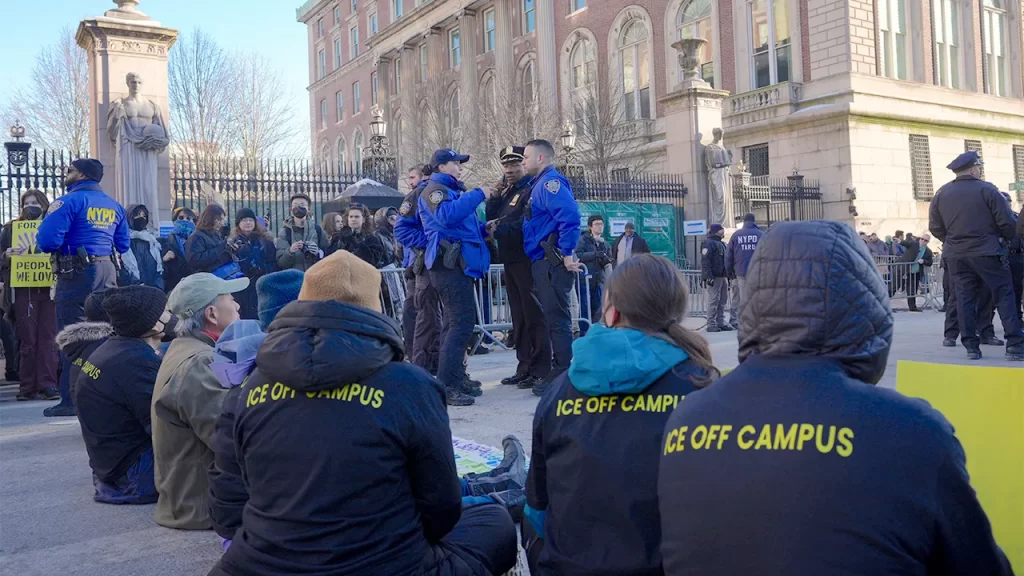

Columbia Pulls CBP Career Expo Promotion Following Faculty Objections
In recent weeks, Columbia University made headlines after announcing the cancellation of its promotion for a U.S. Customs and Border Protection (CBP) career expo. This decision arose after heated objections from faculty members, sparking discussions surrounding the ethics of partnerships with governmental organizations and the implications for academic integrity. This article delves into the details surrounding this controversy, examines the wider implications for academic institutions, and highlights the growing tension between social responsibility and career opportunities.
Background on the CBP Career Expo
The CBP career expo was intended as a platform for students to learn about job opportunities within the agency, which operates under the Department of Homeland Security (DHS). The event promised to provide insights into various career paths available in CBP, including positions in border security, customs enforcement, and immigration.
However, the CBP has faced significant scrutiny over its policies and practices, particularly in relation to immigration enforcement and the treatment of individuals at the U.S. borders. Critics argue that the agency’s methods can be inhumane, leading to widespread calls for reform or, in some cases, complete dismantlement of certain practices.
Faculty Concerns: A Clash of Values
The cancellation of the CBP career expo arose from objections raised by faculty members across multiple departments at Columbia. Many professors emphasized that promoting a government agency with a controversial reputation appeared to contradict the university’s mission of fostering social responsibility and ethical leadership.
Ethical Implications
Faculty members voiced concerns not just about the CBP’s role in immigration enforcement but also about the broader ethical implications of associating with organizations that have been criticized for their practices. Columbia University, renowned for its academic excellence, faces the challenge of ensuring that its partnerships align with its values.
The Faculty’s Call to Action
In response to the expo promotion, faculty members organized petitions and public statements, calling for the university administration to reconsider its relationship with CBP. Their actions resonate with a growing concern in higher education regarding the alignment of institutional values with the agencies and organizations students may be encouraged to engage with.
The Reaction from Students
The student body has also reacted to the faculty’s concerns, with many supporting the decision to pull the career expo. A faction of students argued that promoting CBP careers sends mixed signals about the university’s stance on immigration and human rights.
Student Activism
This incident reflects a larger trend of student activism across campuses nationwide, where students increasingly demand that universities take a stand on contentious issues. As awareness of social justice issues continues to rise, students are united in their calls for institutions to embody the values they promote.
Columbia’s Response: A Commitment to Values
Following the backlash, Columbia University issued a statement clarifying its commitment to fostering a campus environment that respects human rights and social justice. The university expressed regret for any discomfort caused by the promotion of the CBP career expo and indicated that it would seek more open dialogue with faculty and students regarding future collaborations.
Strengthening Academic Integrity
Columbia’s response underscores the importance of academic integrity and the necessity of aligning career opportunities with the institution’s mission. By taking a stand against controversial partnerships, universities can promote a more ethical academic environment and ensure that they are not inadvertently endorsing practices that conflict with their core values.
Broader Implications for Higher Education
Columbia’s decision has broader implications for higher education institutions facing similar dilemmas. As universities increasingly grapple with the responsibilities of educating future leaders, they must consider the ethical ramifications of their partnerships.
Navigating Complex Relationships
Universities must navigate complex relationships with government agencies, nonprofits, and corporations, all of which offer potential career opportunities but may also present ethical dilemmas. Engaging in thorough discussions and assessments of potential partnerships can help ensure alignment with core values.
A Shift in Career Development
This situation may signify a shift in how universities approach career development. The integration of social responsibility into career services could lead to a reassessment of the types of organizations permitted to engage with students, reflecting a growing expectation that academic institutions be active participants in fostering ethical business practices.
Conclusion
The controversy surrounding Columbia University’s promotion of the CBP career expo highlights the increasingly complex relationship between higher education and governmental agencies. As faculty and students continue to assert their values, universities face the challenge of aligning their career services with a commitment to social responsibility and ethical leadership.
Columbia’s decision to pull the promotion is a crucial step toward ensuring that its partnerships reflect the institution’s values. With an increasing focus on social justice and ethical practices, higher education must remain vigilant in its mission to prepare students for a future that not only emphasizes professional success but also human dignity and ethical integrity.
By fostering an open dialogue about these issues, institutions can pave the way for more responsible career pathways that truly reflect their commitment to social good while preparing students for impactful roles in society. As universities continue to comment on and address these ethical dilemmas, they will ultimately determine how to best serve their students while standing firm in the principles of justice and integrity.