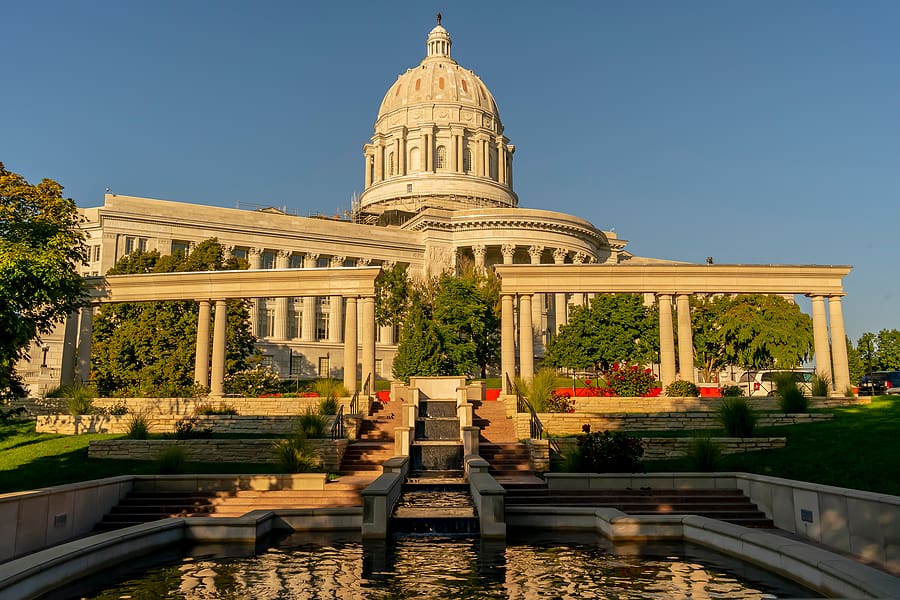

Jefferson City, the capital of Missouri, carries a rich history that reflects the evolution of the state and nation. Founded in 1821, it was named after Thomas Jefferson, the third President of the United States and the principal author of the Declaration of Independence. The city was established specifically to serve as the state capital, as the state’s leaders sought a more central location than St. Louis or St. Charles.
The choice of Jefferson City was strategic; it is located near the geographic center of Missouri, making it accessible from various parts of the state. Construction began on the State Capitol building in 1826, symbolizing the aspirations and growth of the new state. Originally, Jefferson City was little more than a small settlement, but it quickly developed; by the mid-1800s, it transformed into a bustling center of commerce and governance.
The mid-19th century brought significant growth and challenges. The Missouri State Penitentiary, established in 1836, became a significant institution in the region and influenced local development. In 1865, during the post-Civil War reconstruction, Jefferson City faced a devastating fire that destroyed many significant buildings, including the state capitol. This tragedy led to a rebuilding effort that would shape the architecture and layout of the city for decades to come.
The remaking of Jefferson City in the latter part of the 19th century solidified its role as an administrative and political hub. The new state capitol, completed in 1917, is noted for its impressive dome and intricate sculpture work. This period also saw the rise of educational institutions, such as Lincoln University, which was founded in 1866 and became a critical center for African American education in Missouri.
As the 20th century unfolded, Jefferson City continued to develop in both size and significance. The economy diversified, and several industries emerged, contributing to gradual urbanization. The city played a critical role during World War II, acting as a site for mobilization and supply operations. Post-war, Jefferson City experienced a demographic shift and a suburban expansion.
Today, Jefferson City remains a vibrant community that honors its historical roots while embracing modern growth. The preservation of historic sites and buildings highlights its heritage, inviting residents and tourists alike to explore the layered narrative of the city. The annual events and festivals reflect a strong sense of community, ensuring that Jefferson City remains not just the political heart of Missouri but also a lively place filled with culture and history.
For more details and the full reference, visit the source link below:
Read the complete article here: https://www.stl.news/history-of-jefferson-city-missouri/