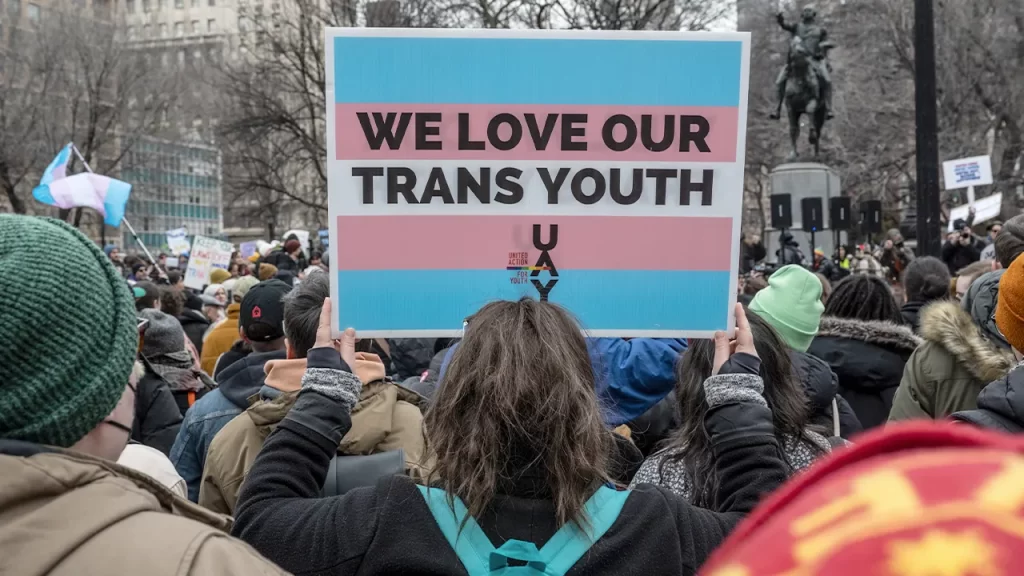

NYU Langone Ends Transgender Youth Program Amid Federal Funding Threats
Introduction
In a significant development, NYU Langone Health has decided to discontinue its transgender youth program in light of looming federal funding threats. This decision has sent ripples through the healthcare community and raised urgent questions about access to gender-affirming care for transgender youth. In this article, we will delve into the reasons behind this decision, its implications, and the ongoing challenges faced by transgender youth in accessing comprehensive medical care.
Background: The Transgender Youth Program at NYU Langone
NYU Langone Health, a prominent healthcare institution located in New York City, has been at the forefront of providing specialized medical care for transgender individuals, particularly the youth. The transgender youth program offered critical services, including mental health support, hormone therapy, and guidance on navigating the healthcare system. For many young individuals grappling with their gender identity, this program was a beacon of hope and a source of much-needed support.
The Context of Federal Funding Threats
The recent decision to close the transgender youth program stems largely from threats of federal funding cuts. These threats emerged in a political climate where various legislative measures have targeted the rights of transgender individuals, particularly in healthcare settings. The combination of these threats creates a precarious situation for healthcare providers who depend on federal funding to maintain their services.
Implications of Program Closure
Impact on Transgender Youth
The discontinuation of NYU Langone’s transgender youth program represents a severe setback for the mental and physical well-being of many transgender adolescents. Access to gender-affirming care is crucial for the psychological well-being of these individuals. Studies have shown that transgender youth who receive appropriate medical care experience lower rates of depression and anxiety, thereby leading to improved quality of life.
Increased Mental Health Risks
Without access to specialized care, transgender youth may be left feeling isolated and unsupported. The lack of gender-affirming treatments can lead to an increase in mental health issues, including depression and suicidal ideation. The closure of such programs can further alienate these young individuals, making it imperative for policymakers to consider the far-reaching consequences of their decisions.
The Role of Healthcare Professionals
Advocacy and Responsibility
Healthcare professionals play a pivotal role in advocating for the rights of transgender youth. The closure of a well-respected program like NYU Langone’s raises questions about the responsibilities of medical practitioners in advocating for their patients. Physicians and healthcare providers must navigate a complex landscape, balancing their commitment to patient care with the realities of funding and institutional policies.
Need for Alternative Solutions
With the closure of such a program, there is an urgent need for alternative solutions to support transgender youth. Community-based organizations, nonprofits, and telehealth services can offer valuable resources, but they cannot fully replace the specialized care provided by comprehensive medical programs. It is crucial for healthcare systems to find new ways to deliver gender-affirming care in a safe and supportive environment.
Policy Changes and Future Outlook
The Political Landscape
The political climate around transgender rights has drastically shifted in recent years, often placing healthcare providers in a challenging position. State and federal legislation targeting transgender individuals has raised fears among medical institutions about potential funding cuts. In this environment, the future of gender-affirming care remains uncertain.
Navigating Federal Policies
Healthcare providers must remain vigilant in advocating for policies that protect and uphold the rights of transgender individuals. Engaging with policymakers and stakeholders is essential to ensure that funding remains intact for programs that support vulnerable populations. As advocacy efforts continue, there is hope that the landscape will change to become more inclusive and supportive of transgender youth.
The Importance of Community Support
Nonprofits and Advocacy Organizations
Community organizations can play a vital role in filling the gap created by the closure of medical programs. By providing mental health support, advocacy, and resources, these organizations can help to mitigate some of the challenges faced by transgender youth. Collaborations between healthcare providers and community organizations can create a more comprehensive support system.
Parent and Family Involvement
Supporting transgender youth is not solely the responsibility of healthcare providers; families and communities must also step up. Parents and guardians should seek to educate themselves about transgender issues and become advocates for their children. This support network can help to foster a nurturing environment for young individuals as they navigate their identities.
Conclusion
The decision by NYU Langone to end its transgender youth program underscores the urgent need for continued efforts to advocate for the rights of transgender individuals in healthcare settings. As federal funding threats loom, it becomes increasingly important for healthcare providers, advocates, and communities to work together to ensure that all youth have access to the care they need. The closure of specialized programs is not just a logistical issue; it has real emotional and psychological ramifications for countless young individuals.
In a world where access to gender-affirming care is becoming increasingly precarious, we must champion the rights of transgender youth and advocate for inclusive healthcare policies. Only then can we create a supportive environment where every young person can thrive, irrespective of their gender identity.
By remaining proactive and united in our advocacy efforts, we can pave the way for a more inclusive and compassionate healthcare landscape.