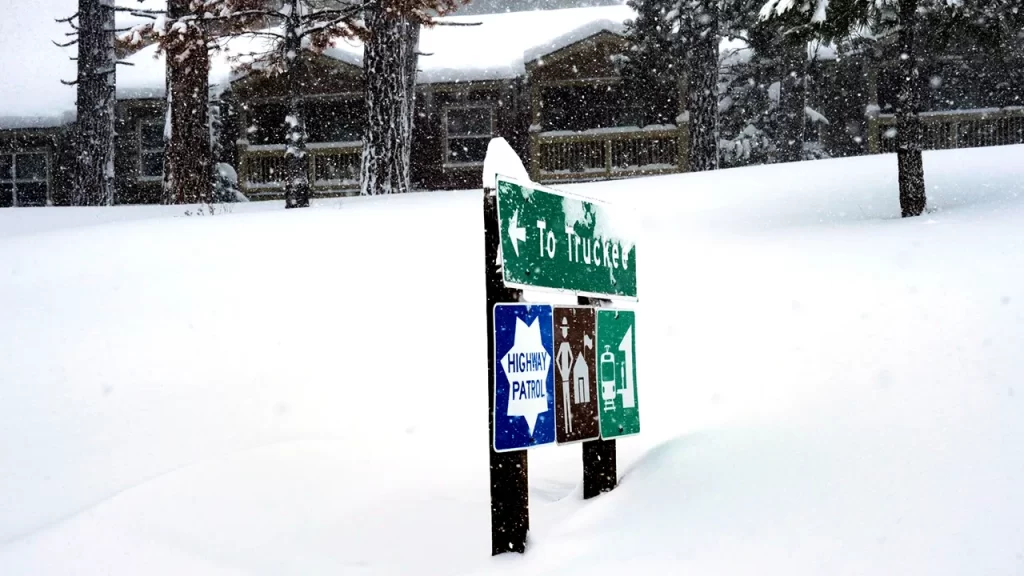

8 Skiers Found Dead, 1 Missing in Lake Tahoe Avalanche
Introduction
The Lake Tahoe area, known for its stunning landscapes and world-class ski resorts, has been rocked by a devastating avalanche that claimed the lives of eight skiers and left one person missing. This tragic incident has sent shockwaves through the skiing community and raised questions about safety in high-risk environments. In this article, we delve into the specifics of this tragic event, the ongoing search efforts, and the implications for skier safety in avalanche-prone areas.
The Avalanche Incident
On a fateful day, a powerful avalanche swept through a popular backcountry skiing area near Lake Tahoe. Early reports indicate that a group of skiers was caught in the sudden avalanche, leading to an immediate rescue operation. Despite the efforts of search and rescue teams, eight individuals were tragically found dead, with one skier still unaccounted for.
Causes of the Avalanche
Investigators are currently looking into the causes behind the avalanche. Factors such as recent weather patterns, snowpack stability, and human activity are often assessed to better understand the triggers of such natural disasters. Meteorological conditions prior to the avalanche, including heavy snowfall combined with severe winds, are believed to contribute to unstable snowpack conditions, raising the risk of slides.
Search and Rescue Efforts
The search and rescue operation commenced immediately following the avalanche. Local authorities, alongside trained search and rescue teams, utilized specialized equipment such as avalanche beacons and drones to search for the missing skier. The operation was fraught with challenges due to adverse weather conditions, which hampered visibility and made it difficult for teams to navigate the treacherous landscape.
The Role of Technology in Rescue Operations
In recent years, advancements in technology have significantly improved rescue efforts in avalanche scenarios. Devices like transceivers, which can locate buried victims, and drones equipped with infrared cameras have become essential tools. These technologies have the potential to save lives, making it critical for skiers and snowboarders to become familiar with them.
Impact on the Community
The loss of eight skiers has had a profound impact on the Lake Tahoe community. Vigils and memorial services have been held to honor those who have lost their lives. Local ski shops and resorts have rallied together to provide support to the victims’ families, emphasizing solidarity and collective healing.
Avalanche Awareness and Education
This tragedy underscores the importance of avalanche awareness and education for those who participate in off-piste skiing. Organizations dedicated to skier safety are amplifying their efforts to educate the public about avalanche risks, safety techniques, and the proper use of equipment. Courses on avalanche awareness, rescue techniques, and safety protocols are being offered more widely to help reduce mishaps in the backcountry.
Skier Safety Tips for Avalanche-Prone Areas
For those planning to venture into backcountry skiing, safety should always be the top priority. Here are some essential tips for skiing safely in avalanche-prone areas:
1. Know the Terrain
Familiarizing yourself with the ski area, including potential avalanche zones and escape routes, is critical. Always study the terrain and check avalanche forecasts before heading out.
2. Check Weather Conditions
Weather can change rapidly in mountainous areas. Always check current and forecasted weather conditions and be mindful of recent snowfall and windy conditions that can increase avalanche danger.
3. Travel with a Companion
Never ski alone in backcountry areas. Having at least one skiing partner can significantly improve safety and increase the chances of a successful rescue in case of an accident.
4. Equip Yourself with Safety Gear
Safety gear such as avalanches beacons, shovels, and probes can be lifesaving. All skiers should carry this essential equipment and be trained on how to use it properly.
5. Take an Avalanche Safety Course
Investing time in a dedicated avalanche safety course can equip you with the skills and knowledge necessary to assess risks effectively and take action should an avalanche occur.
The Future of Backcountry Skiing
In light of this incident, there will likely be increased scrutiny on regulations concerning backcountry skiing. Local governments and organizations may impose stricter guidelines around access to high-risk areas. Additionally, there’s a growing call for improved communication of avalanche risks and safety measures through technology and public awareness campaigns.
Community Support Initiatives
In response to the tragedy, community support initiatives are being established to provide resources for education on avalanche safety, psychological support for families affected, and enhanced safety measures in backcountry areas. This collective approach aims to mitigate future avalanche incidents and ensure skiers are well-informed about their safety.
Conclusion
The tragic loss of eight skiers in the Lake Tahoe avalanche serves as a stark reminder of nature’s unpredictability and the inherent dangers of skiing in backcountry areas. As the community mourns, the focus must turn toward improving safety, education, and preparedness. With enhanced training, increased awareness, and community support, the hope is that such a devastating event will not be repeated. The skiing community must come together to innovate and adapt, turning this tragedy into an opportunity for growth and improved safety measures for all.