
Washington State Courtroom Evacuated After Fentanyl Evidence Opened
In a startling development, a courtroom in Washington State was evacuated due to the accidental opening of fentanyl evidence during a court hearing. This incident underscores critical issues surrounding opioid crisis management, courtroom safety, and the implications of handling dangerous substances within judicial environments.
Understanding Fentanyl: A Growing Concern
Fentanyl, a powerful synthetic opioid, is significantly more potent than morphine and is known for its high potential for overdose. The drug is a major contributor to the opioid epidemic that has swept across the United States, claiming thousands of lives each year. Unlike other opioids, fentanyl can be lethal even in small doses, making it imperative to handle such substances with extreme care.
What Happened in the Courtroom?
During a scheduled hearing in Washington State, a sealed package containing fentanyl evidence was accidentally opened. Unbeknownst to the court staff and the public present, the potent substance was released into the air, leading to immediate health concerns. The incident prompted court officials to swiftly evacuate the courtroom as a precautionary measure, ensuring the safety of all individuals present.
Immediate Response to the Incident
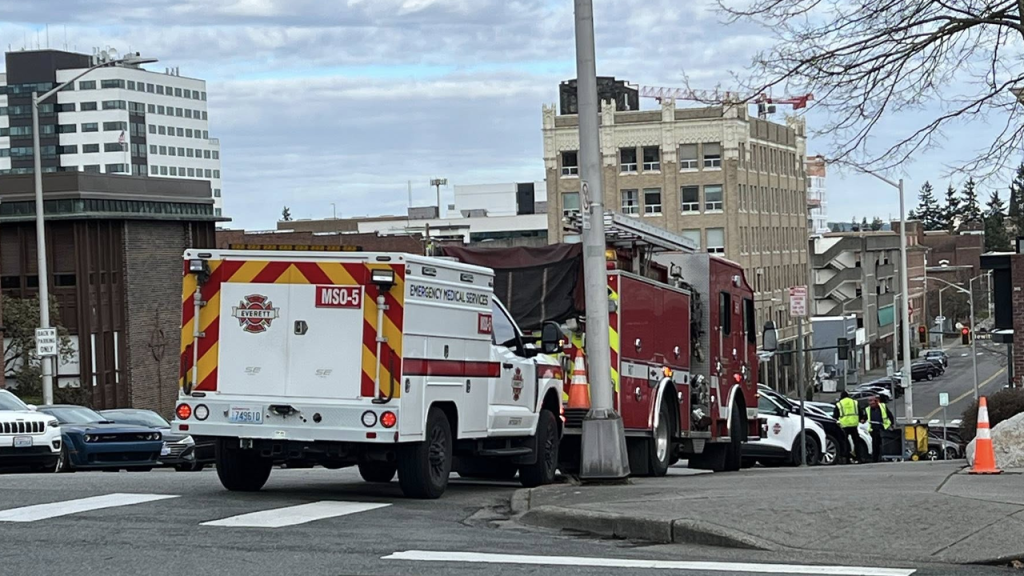
Following the evacuation, emergency personnel arrived on the scene to assess the situation. First responders, trained to handle hazardous materials, took the necessary steps to contain the fentanyl and ensure the safety of the building’s occupants. This included conducting air quality tests and monitoring any individuals who may have been exposed to the substance.
Legal and Health Implications
The unfortunate incident raises significant questions about legal procedures surrounding the evidence handling in courtrooms. Opioid-related cases are increasingly common, and courtroom personnel must be adequately trained to manage such evidence safely. Furthermore, the health implications for individuals exposed to fentanyl can be severe, necessitating immediate medical attention.
Training for Court Personnel
To prevent future incidents, it is critical that court personnel receive comprehensive training in handling dangerous substances. This includes understanding the nature of fentanyl, identifying potential risks, and knowing how to respond in an emergency situation. Education and ongoing training will help mitigate risks and enhance the safety of all courtroom participants.
Legal Ramifications of the Incident
Legal ramifications following the incident could extend beyond the immediate evacuation and health concerns. If individuals were exposed and suffered health issues, this may lead to lawsuits against the court system or law enforcement agencies involved in the evidence handling procedures. Additionally, the integrity of the case tied to the fentanyl evidence may be called into question, posing further complications for the judicial process.
Community Impact and Awareness
The evacuation incident serves as a critical reminder of the ongoing opioid crisis impacting communities across Washington and the United States. It highlights the urgent need for community awareness and education about the dangers posed by substances like fentanyl. Awareness campaigns can empower the public to recognize the signs of opioid overdose and seek immediate help when needed.
Preventing Future Incidents: Best Practices
In the wake of this event, it is essential to establish best practices for handling fentanyl and other dangerous evidence in courtroom settings. Here are several recommendations:
-
Proper Containment: Evidence containing hazardous substances should be transported and stored in specialized, secure containers to minimize exposure risk.
-
Emergency Protocols: Comprehensive emergency protocols should be adopted, including evacuation plans that are clearly communicated to all courtroom personnel.
-
Regular Training: Implement regular training sessions for judges, clerks, and law enforcement on the dangers of fentanyl and how to manage such evidence safely.
-
Collaboration with Health Experts: Collaboration with public health officials is crucial to develop protocols that prioritize safety and health within the courtroom environment.
-
Public Awareness Campaigns: Community outreach initiatives focused on educating the public about the dangers of fentanyl can play a significant role in preventing future crises.
Conclusion
The evacuation of a Washington State courtroom following the accidental opening of fentanyl evidence serves as a sobering reminder of the opioid epidemic affecting the nation. As authorities work to manage the immediate fallout of the incident, it is crucial to address the broader issues of safety and legal integrity within the judicial system.
Establishing robust training and emergency protocols, combined with community awareness initiatives, will not only enhance courtroom safety but also contribute to combating the opioid crisis on a larger scale. As a society, it is our responsibility to address these challenges head-on and protect the health and safety of our communities.
This incident stresses the need for continuous dialogue and action regarding the handling of fentanyl and similar substances in legal environments. Moving forward, the lessons learned from this episode can guide the development of safer practices to protect not just courtroom participants but the broader community as well.