
Whataburger Worker Fends Off Alleged Attacker with Trash Can: A Viral Brawl
In a dramatic turn of events, a Whataburger worker became an unlikely hero when he fended off an alleged attacker using a trash can. The incident, which went viral online, has sparked conversations around workplace safety, the nature of fast-food jobs, and the community’s response to public violence. This article delves into the details of the incident, its implications, and the broader context in which it occurred.
The Incident: A Quick Overview
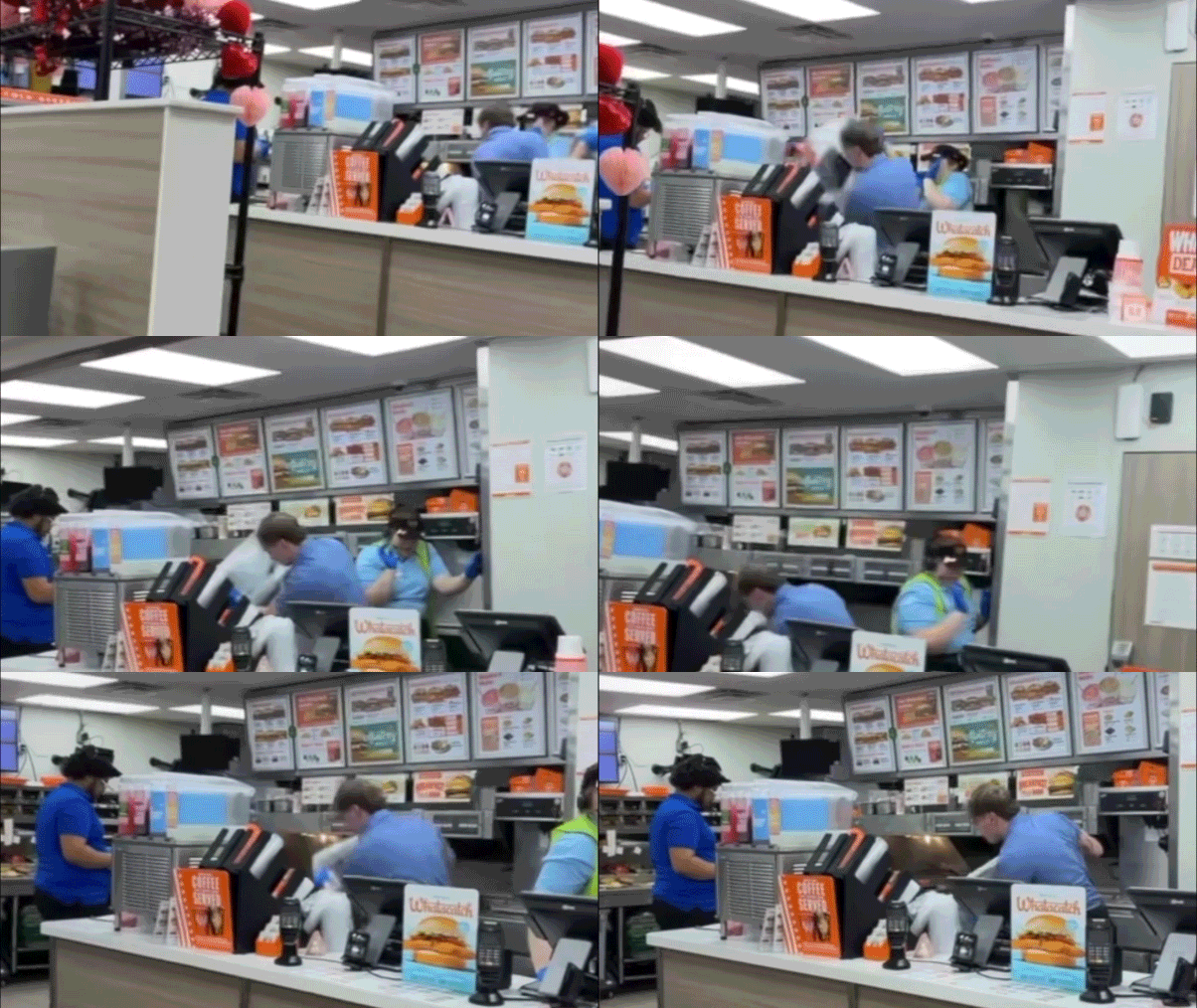
The viral brawl occurred late one night at a Whataburger location in Texas, where a customer, reportedly inebriated, became aggressive toward the staff. Surveillance footage shows the attacker becoming increasingly unruly, prompting one brave employee to intervene. Armed with nothing but a trash can, he managed to fend off the aggressor and protect his coworkers and customers.
Surveillance Footage: Caught in Action
The footage from the restaurant captures the chaos as the situation unfolds. The employee, showcasing remarkable quick thinking, grabs a trash can and uses it as a shield and weapon against the attacker. Waves of shock and excitement spread across social media platforms as users began sharing the clip, dubbing the employee a “trash can warrior.”
This footage serves as a reminder that even in everyday job settings, unexpected situations can escalate quickly, requiring a level of bravery and resourcefulness that many might not anticipate.
Community Response: From Support to Concern
Following the incident, social media users rallied around the employee. Memes, gifs, and support flooded in, showcasing a blend of humor and admiration. However, the viral nature of the story also raised concerns about violence in fast-food environments, with many questioning what measures could be put in place to enhance the safety of workers.
The Support for the Employee
The bravery displayed by the Whataburger worker led to widespread acclaim. Supporters praised him not just for his ingenuity but for the courage he displayed during a frightening encounter. Comments flooded in on various platforms, with many calling for recognition or rewards for his actions.
Addressing Violence in Fast-Food Restaurants
Despite the humorous undertones in the social media response, the incident sheds light on a serious issue: workplace safety in the fast-food industry. Reports indicate that incidents of violence in fast-food restaurants are on the rise, largely fueled by heightened customer aggression during late-night hours.
Whataburger, like many fast-food establishments, is a low-wage environment where employees often lack the resources and training to deal with violent customers effectively. This incident begs the question: What can be done to ensure that workers feel safe and protected?
The Broader Implications: Fast-Food Industry Safety
The brawl at Whataburger is part of a broader trend where food service workers face increasingly aggressive behaviors from customers. In many cases, these workers are left to fend for themselves. This situation highlights the urgent need for improved training on conflict resolution, de-escalation tactics, and physical safety measures inside fast-food establishments.
Training for Workers
Many fast-food chains offer limited training on handling hostile situations, usually focusing on customer service rather than conflict resolution. Investing in comprehensive training programs can prepare employees to deal with aggressive customers while ensuring their safety.
Community Support Systems
Aside from training, it may also be beneficial for fast-food restaurants to establish stronger ties with local law enforcement. This would allow for quicker responses to incidents and reassurance for workers that help is available when needed. Regular safety drills could be employed to better prepare staff for aggressive encounters.
The Role of Management
Management is responsible for creating a safe working environment. This includes ensuring that staff can call for help when needed, clearly visible exit strategies, and creating a culture that encourages employees to report aggressive behavior. Transparency in communication can create a more supportive atmosphere at work.
The Impact of Viral Stories
One cannot overlook the influence of social media in shaping public perception. The story of the Whataburger worker went viral for its sensational nature, but it also highlighted the destined narrative of a worker standing up against potentially dangerous situations.
Going Beyond Entertainment
While the incident sparked humor and memes, it is essential to recognize the underlying issue. Viral stories often serve as entertainment, but they also prompt thoughtful discussions about community norms and safety. They can mobilize public opinion, pushing for changes within companies and encouraging dialogues about workers’ rights.
A Call to Action
In light of this incident, it’s crucial to advocate for industry-wide standards that prioritize worker safety. Sharing stories and raising awareness through social media can lead to conversations that catalyze change.
Conclusion: A Hero and a Message
The Whataburger worker’s quick thinking and resourcefulness provided a moment of levity amid a serious situation. While the viral aspect of the incident showcases the employee as a hero, it also serves as a stark reminder of the challenges faced by those in low-wage jobs, especially in industries susceptible to aggression.
In acknowledging the bravery of the “trash can warrior,” we must also address the systemic issues that lead to such violent encounters in fast-food restaurants. Conversations about the necessity for better training, safer environments, and community support systems are critical.
As the narrative continues to circulate online, may it serve not only as entertainment but also as a catalyst for change in the fast-food industry, ensuring the safety and dignity of workers across the country.