
David Allen Funston: A Case Study on Child Molestation and Public Safety
Introduction
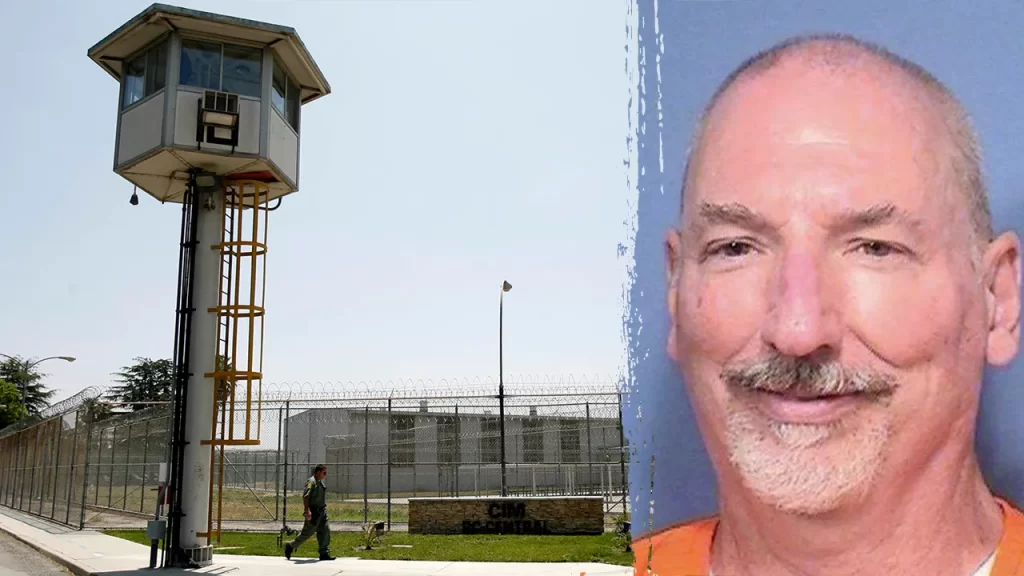
David Allen Funston, a name that has circulated in news headlines, embodies the complexity of legal systems in dealing with child molestation cases. A recent decision by Placer County has barred him from release, drawing significant public attention and sparking debates on safety, rehabilitation, and the justice system.
Background on David Allen Funston
David Allen Funston was convicted of serious offenses involving children, leading to his incarceration. His case jars feelings of revulsion and concern for the safety of young individuals. Funston’s past includes a series of charges that underline the importance of protective measures in society and the necessity for stricter regulations surrounding offenders.
Recent Developments in Placer County
In recent months, Placer County authorities made a critical decision regarding Funston’s potential release. This decision was impacted by various factors, including:
-
Public Safety Concerns: Community members voiced their fears about Funston’s potential return. Many expressed doubts about his rehabilitation, emphasizing that the threat posed to children outweighed any arguments for his release.
-
Legal Implications: The legal framework surrounding sex offenders is designed to protect society, particularly vulnerable populations. In Funston’s case, the legal system has opted to utilize this framework to ensure that public safety is prioritized above all.
-
Controversies Surrounding Rehabilitation: It is essential to question the effectiveness of rehabilitation programs for offenders like Funston. Does society owe it to these individuals to grant them second chances, or should the severity of their crimes dictate their permanent status as a threat?
Psychological Aspects of Child Molestation
The psychology behind child molestation remains complex and multifaceted. It often reveals deep-seated issues that require extensive treatment—however, the potential for relapse often looms large.
Understanding the Offender Mindset
-
Impulsivity and Lack of Empathy: Many offenders lack the impulse control or empathy required to consider the ramifications of their actions on victims.
-
Recidivism Rates: Studies indicate that individuals who commit such crimes are often at risk of reoffending, necessitating careful monitoring and preventive measures.
-
Treatment and Rehabilitation: While some offenders undergo therapy, the success rates for preventing recidivism are iffy and do not always yield positive results.
Protective Measures in Society
In light of Funston’s case and others like it, it’s critical to discuss the preventive measures that can be put in place:
-
Community Awareness Programs: Education about the signs and behaviors of potential offenders is essential in safeguarding children.
-
Registry and Monitoring: Implementing strict monitoring for registered offenders can help mitigate risks associated with their release.
-
Support Systems for Victims: Providing strong support networks for victims can help them recover and prevent cycles of abuse.
Legal Framework Surrounding Child Molestation
The legal landscape for child molestation varies by state but generally features stringent laws aimed at protecting minors. In California, where Funston’s case is located, the law includes:
-
Mandatory Registration: Offenders are required to register as sex offenders, enabling law enforcement to track them.
-
Civil Commitment: In extreme cases, offenders may face civil commitment, which could indefinitely extend their incarceration based on psychological assessments.
-
Judicial Recommencement for Release: Courts often review each case individually, weighing the potential threat to public safety against arguments for rehabilitation.
Community Response and Public Safety
The decision to block Funston’s release has elicited a significant community response. Parents, local organizations, and advocacy groups have rallied to underscore the importance of protecting children from potential threats.
The Role of Advocacy Groups
Organizations dedicated to victims of abuse serve as critical stakeholders:
-
Raising Awareness: Advocacy groups often work to educate the public about the nuances of sexual offenses and the importance of community vigilance.
-
Legislative Lobbying: Many groups lobby for stricter laws and funding for victim support programs, reinforcing the message that the welfare of children is paramount.
-
Support Networks: These organizations create networks for survivors to find solace and support, helping to foster recovery and resilience.
Ethical Considerations in Justice
The ethical considerations surrounding Funston’s case compel us to reflect on societal values regarding justice versus rehabilitation. While the justice system aims to promote fairness, it must also prioritize public safety. The ethical dilemma lies in balancing these two often-conflicting priorities.
Arguments for and Against Release
-
Arguing for Release: Proponents may argue for rehabilitation, suggesting that everyone deserves a chance to be reintegrated into society after fulfilling their sentences.
-
Arguing Against Release: Opponents maintain that the severity of offenses justifies extended confinement, emphasizing the risk posed to children.
Conclusion
David Allen Funston’s situation represents a crucial crossroads in the discourse on child safety, rehabilitation, and justice. The Placer County decision to block his release reflects a growing impetus within communities to ensure the safety of their children, underscoring the complexities and challenges associated with managing offenders. As society grapples with these difficult issues, it becomes increasingly essential to foster dialogue that emphasizes both the protection of vulnerable populations and the ethical treatment of offenders.
By coming together as a community and advocating for legislative improvements and safety measures, we can pave the way for a more secured environment for our children while also investigating solutions aimed at genuine rehabilitation. The legacy of cases like Funston’s challenges us to consider our values and priorities as a society.