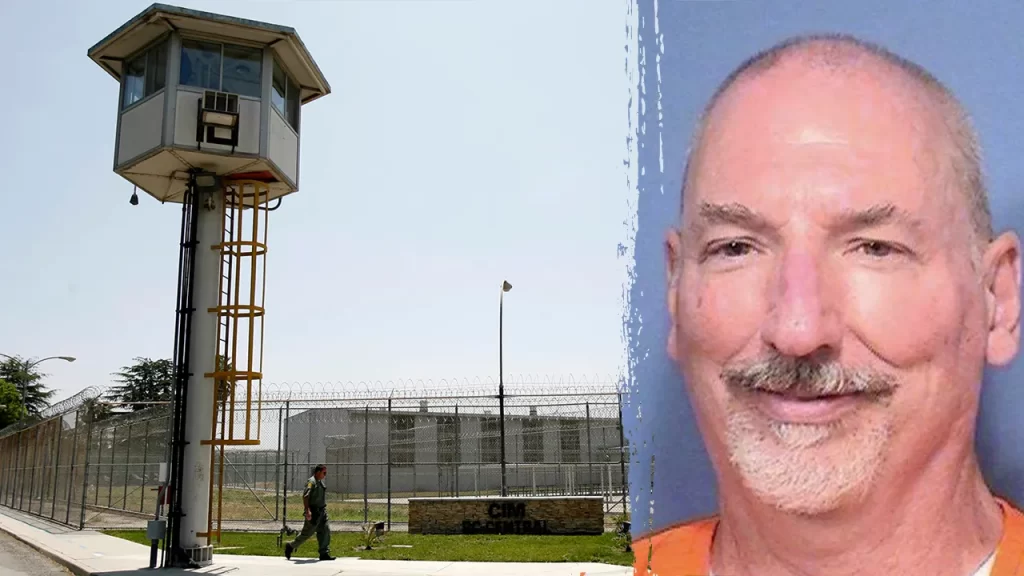

David Allen Funston is a name that has resurfaced in discussions surrounding child safety and criminal justice. A convicted child molester, Funston’s case has drawn significant attention, especially following recent efforts to block his release from custody by authorities in Placer County, California. His potential release poses serious concerns for the community, given his prior offenses and the nature of the crimes he committed.
Funston was incarcerated after being convicted of several child molestation charges, which have left a lasting impact on the victims and their families. His actions not only shattered the lives of young children but also instilled a deep sense of fear and mistrust within the community. The psychological scars left by such crimes often affect victims for a lifetime, leading to ongoing discussions about the necessity of stringent measures in dealing with sex offenders post-sentencing.
Placer County officials and community advocates have rallied to prevent Funston’s release. They argue that the risks associated with allowing a repeat offender back into society outweighs any potential benefits of rehabilitation. The opposition to his release is rooted in a broader discourse about public safety, especially regarding the protection of vulnerable populations like children. Many residents have expressed their apprehensions, fearing that Funston’s potential reintegration could lead to more harm and possibly repeat offenses.
The legal system often grapples with the balance between rehabilitation and public safety in cases involving sex offenders. While there are rehabilitation programs designed to help individuals re-enter society after serving their time, critics argue that these programs are not always effective. In Funston’s situation, the community response highlights the widespread sentiment that some individuals may never be fit for reintegration due to the severity of their crimes.
As the legal proceedings surrounding Funston continue, local organizations and activists remain vigilant, advocating for stringent protective measures. The case underscores the importance of ongoing discussions about how society manages sex offenders, particularly those with a history of repeated offenses. It also emphasizes the necessity of community engagement and awareness in safeguarding children from potential threats.
In summary, David Allen Funston’s potential release remains a contentious topic in Placer County. The community’s concerns reflect an urgent need for a thorough examination of the policies governing the release of sex offenders and the crucial role of public safety in these decisions. As discussions evolve, one thing remains clear: protecting the most vulnerable members of society must always be a top priority.
For more details and the full reference, visit the source link below: