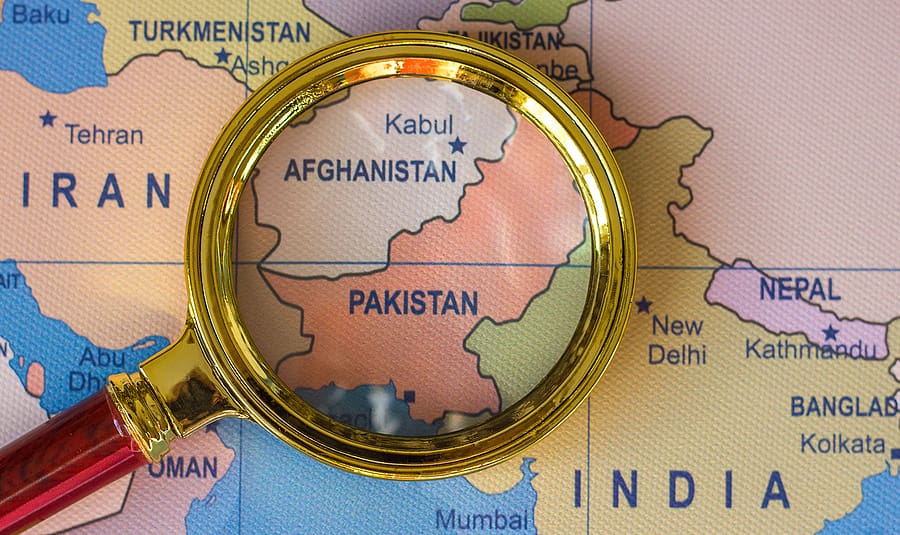

The escalating military conflict between Afghanistan and Pakistan is rooted in a complex history of geopolitical rivalries, ethnic tensions, and militant activities. This ongoing strife has resulted in a volatile situation that poses threats not only to the two nations involved but also to broader regional stability.
Historically, the relationship between Afghanistan and Pakistan has been strained. The partition of British India in 1947 established new borders, but it also created significant tensions, particularly over the Pashtun-dominated areas straddling both countries. The Afghan government has long sought to assert influence over these regions, which has led to accusations of Pakistan’s support for militant groups that operate against the Afghan state. Key among these groups is the Taliban, which regained power in Afghanistan in 2021, further complicating the relationship.
In recent years, escalating military exchanges have marked the border region, particularly in areas like Khyber Pakhtunkhwa and Balochistan. Both nations accuse each other of harboring and supporting insurgent groups. For instance, Pakistan alleges that Afghan soil is being used for attacks against its military, while Afghanistan points to Pakistan’s support for the Taliban as a direct threat to its sovereignty. These mutual accusations have fueled a cycle of violence that has resulted in numerous casualties on both sides.
The involvement of external powers has also played a critical role in this conflict. The U.S. withdrawal from Afghanistan in 2021 created a vacuum that regional players, including Pakistan, India, and China, are eager to exploit. The resurgence of the Taliban has emboldened certain militant factions within Pakistan, leading to increased attacks on security forces and civilians alike. In response, Pakistan has ramped up its military operations along the border, exacerbating tensions.
Moreover, domestic issues within both countries contribute to this rising conflict. Economic instability, poverty, and political corruption in Afghanistan hinder effective governance and promote unrest. Conversely, Pakistan grapples with its own set of challenges, including political instability and rising extremist sentiments, complicating its response to Afghanistan-related issues.
The broader implications are considerable. An escalation of conflict could destabilize the region, leading to mass displacement of populations, increased terrorism, and a humanitarian crisis that could spill over into neighboring countries. To address the conflict, international mediation may be necessary, alongside a concerted effort to foster dialogue between the two nations. Building trust will require acknowledging historical grievances, addressing cross-border militancy, and fostering economic cooperation.
In summary, the escalating military conflict between Afghanistan and Pakistan is a multifaceted issue, deeply embedded in historical, cultural, and geopolitical complexities. As tensions continue to rise, the urgent need for diplomatic engagement becomes increasingly clear, coupled with a focus on sustainable peace and development.
For more details and the full reference, visit the source link below: