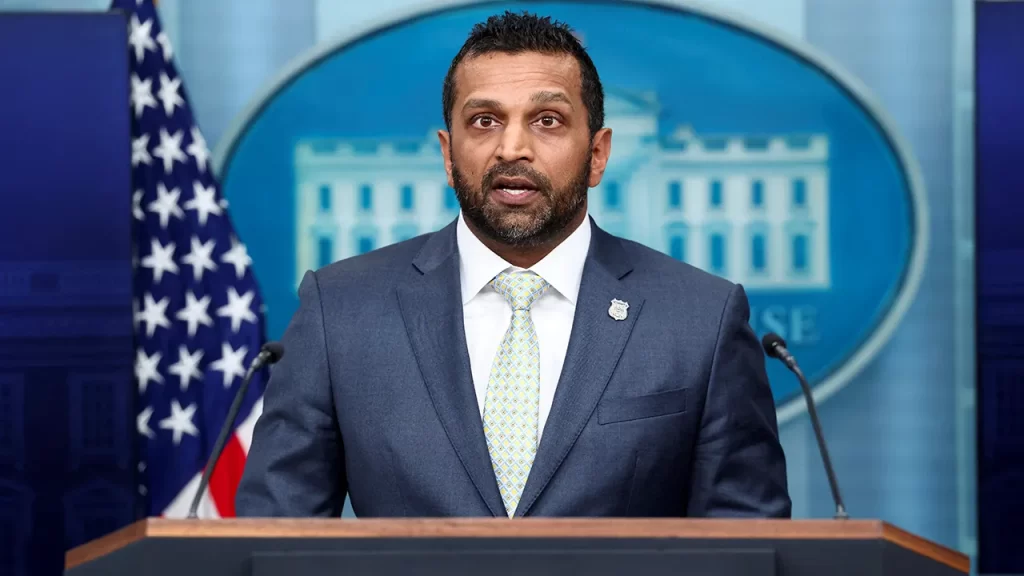

FBI Places Counterterrorism Teams on Elevated Alert Amid Iran Operations
In recent weeks, the Federal Bureau of Investigation (FBI) has heightened its counterterrorism readiness in response to escalating tensions and potential operations involving Iran. This move reflects a proactive stance amid growing concerns regarding terrorism domestically and internationally. Below, we explore the implications of these developments, the nature of the threats, and the FBI’s strategic response.
The Context of Rising Tensions
Understanding Iranian Operations
Iran has long been a focal point in global geopolitical discussions, particularly concerning its influence in the Middle East. Its operational activities often extend beyond its borders, engaging in activities that could be categorized as state-sponsored terrorism. With ongoing conflicts involving Iran’s influence in Iraq, Syria, and Yemen, the potential for spillover terrorism remains a serious concern for countries, especially those aligned against Iranian interests.
Recent Geopolitical Events
Recent geopolitical developments, including renewed nuclear negotiations, sanctions, and military advisements, have raised flags of alert both internationally and within the United States. Incidents involving Iranian proxies have led to increased scrutiny of activities that could threaten U.S. national security. Heightened tensions in the region often correlate with an uptick in threats against U.S. interests and allies.
The Elevated Alert Status
What Elevated Alert Means for the FBI
When the FBI elevates its counterterrorism teams’ alert levels, it signifies a recognition of an increased likelihood of terrorist activities. This status enables the bureau to:
- Prepare Additional Resources: Deploy more agents to high-risk areas.
- Enhance Intelligence Gathering: Collaborate with local law enforcement and intelligence agencies to monitor potential threats.
- Strengthen Security Measures: Implement security protocols in sensitive locations and high-profile events.
Implications for Domestic Security
The ramifications of heightened alert status extend beyond federal realms. Local law enforcement agencies receive direct guidance and support from the FBI, resulting in actionable steps to ensure public safety. The FBI’s elevated alert implies that citizens may notice increased police presence at various events, especially those involving Islamic or Iranian cultural components.
Analyzing the Threat Landscape
The Nature of the Threats
Iran’s operational strategies often include asymmetric warfare, cyber-attacks, and alliance with proxy groups.
-
Asymmetric Warfare: Involves unconventional tactics that could be leveraged using misinformation, sabotage, or direct attacks against soft targets.
-
Cybersecurity Threats: Iranian cyber operations against U.S. infrastructure and organizations can impact critical services, creating chaos without physical confrontations.
-
Proxy Warfare: Iran has historically used proxy groups such as Hezbollah and militia forces to carry out operations in its favor while maintaining plausible deniability.
The Vulnerable Targets
Potential targets often correlate with areas wherein Iran has interest or influence. These include:
- U.S. military bases in the Middle East.
- Embassies and diplomatic missions.
- Events or individuals perceived as promoting anti-Iranian sentiments.
The FBI’s Strategic Response
Improved Intelligence Sharing
One of the FBI’s critical responses encompasses enhancing its collaboration with other intelligence agencies. Sharing vital information about threats ensures swift responses to any emerging issues, preventing potential attacks before they transpire.
Community Engagement and Awareness
Counterterrorism efforts also involve local communities. The FBI encourages citizens to report suspicious behaviors, marking a vital first line of defense against potential acts of terrorism. Programs aimed at community vigilance are essential for fostering a culture of awareness.
Training and Readiness
The FBI prioritizes the training of its personnel in recognizing and responding to nuanced terrorist threats. Enhanced training programs focus on asymmetric warfare tactics and countering cyber threats, aligning with evolving methodologies used by terrorist organizations.
Public Awareness and Safety
Role of the Media
The media plays an essential role in disseminating information about federal alerts. Responsible reporting enhances public awareness without inciting panic. Understanding the specifics of the threats can empower citizens to contribute more effectively to their safety and that of their communities.
Public Preparedness Campaigns
The FBI often participates in public preparedness initiatives aimed at educating communities on how to respond during emergencies. These campaigns can include drills, online resources, and educational events, ultimately aiming to ensure that citizens are informed and prepared to act if necessary.
Conclusion
As the FBI places its counterterrorism teams on a state of elevated alert due to Iran’s operations, it underscores a significant turning point in U.S. national security strategy. With a multifaceted approach encompassing intelligence sharing, community engagement, and proactive measures, the FBI strives to mitigate threats linked to Iranian activities.
The ongoing situation is fluid, and as the geopolitical landscape evolves, so too will the strategies employed by counterterrorism agencies like the FBI. Through heightened alerts and strategic responses, these agencies aim to safeguard not only national interests but also the safety and security of the American public.
In an era where threats can often be clandestine and ambiguous, vigilance and preparedness remain paramount. Awareness and cooperation between federal agencies and local communities create a stronger front against potential threats posed by state-sponsored terrorism, ultimately fostering a culture of resilience and security.