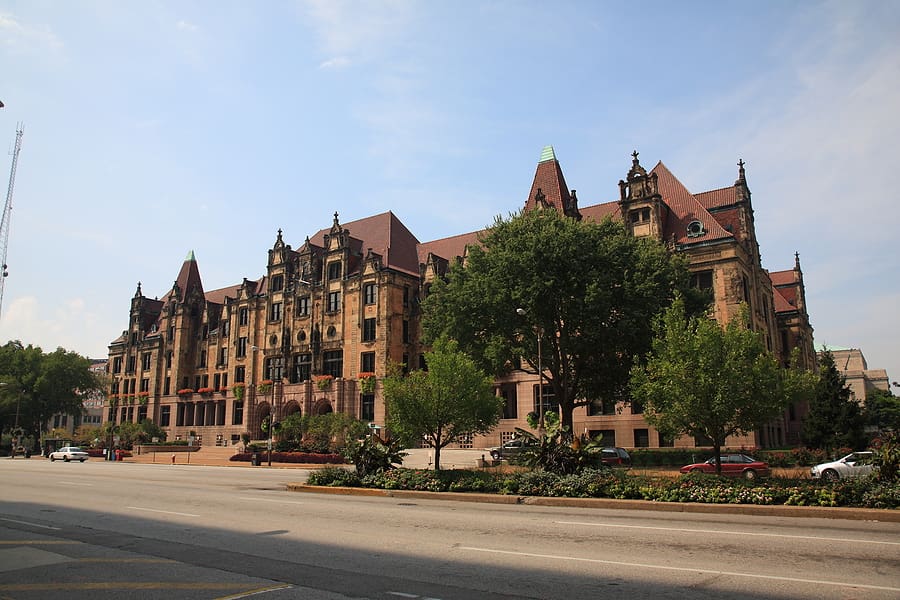

St. Louis, a city rich in history and culture, faces a daunting challenge in its journey toward recovery and revitalization: crime control. The persistent and escalating crime rates in the city act as a significant barrier to economic growth, community cohesion, and overall quality of life, making it clear that any efforts at revitalization must prioritize effective crime reduction strategies.
The impact of crime on St. Louis cannot be overstated. High rates of violent crime create fear among residents, discouraging businesses from investing in the area and driving away potential visitors. This results in a weakened local economy, decreased property values, and a strained relationship between the community and law enforcement. As businesses close or relocate due to safety concerns, job opportunities dwindle, exacerbating poverty and social disintegration.
Moreover, crime disproportionately affects marginalized communities, where resources are already limited. Residents in these areas often experience the highest levels of violence, leading to a cycle of despair and hopelessness. Without a strategic approach to reducing crime, these neighborhoods struggle to attain the resources needed for education, healthcare, and social services, further entrenching systemic issues.
Effective crime control requires a multifaceted approach. One essential aspect is the strengthening of community policing initiatives. Police departments that build trust with the communities they serve can work collaboratively with residents to address the root causes of crime. This partnership fosters open communication, encourages community involvement, and helps law enforcement agencies to target specific problems more effectively.
In addition to community policing, investing in social programs is crucial. Education, job training, and mental health services are critical components in reducing crime rates. By providing opportunities and support for young people, cities can deter crime before it starts. When individuals feel empowered and have access to viable career paths, they are less likely to resort to criminal activity.
Furthermore, leveraging technology can aid in crime prevention and control. Employing data analysis tools can enhance law enforcement’s ability to predict and respond to criminal activity, allowing for proactive measures rather than reactive ones. However, it’s vital to ensure that the implementation of such technology is done ethically, maintaining the balance between public safety and civil liberties.
In conclusion, St. Louis cannot hope to recover and thrive without addressing its crime crisis head-on. By prioritizing crime control through community engagement, social investments, and innovative technology, the city can create a safer environment that fosters economic growth, enhances community pride, and ultimately leads to a more equitable and vibrant future for all its residents.
For more details and the full reference, visit the source link below:
Read the complete article here: https://www.stl.news/st-louis-cannot-recover-without-crime-control/