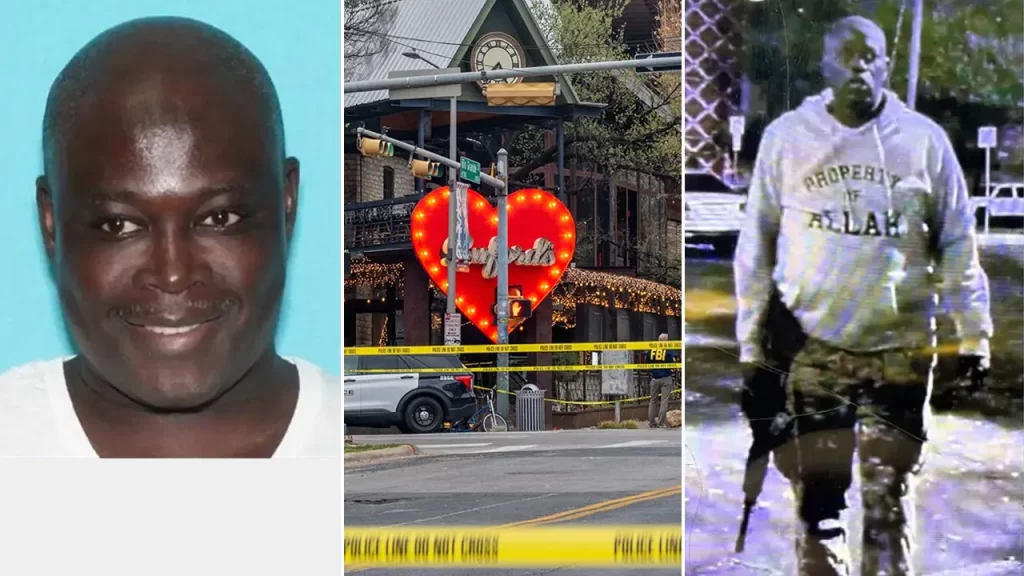

Austin Mass Shooting: Ndiaga Diagne and the Alarming Trend of Antisemitic Hate Speech
Introduction
The tragic mass shooting that occurred in Austin has left the community reeling. Ndiaga Diagne, the suspect accused of this horrific act, reportedly posted antisemitic hate speech on X—a platform previously known as Twitter—just before the violence unfolded. This incident has raised critical questions about the relationship between online hate speech and real-world violence. Understanding the details of this event is essential not only for the Austin community but also for society at large as we engage in conversations about hate, mental health, and public safety.
The Austin Shooting Incident
On a fateful Sunday afternoon in Austin, chaos erupted at a downtown bar when Ndiaga Diagne opened fire, resulting in the deaths of three individuals and injuring thirteen others. Early reports indicate that the victims were diverse, reflecting the cosmopolitan nature of Austin itself. Emergency services swiftly responded to the scene, but the shocking violence had already shattered lives irreversibly.
Timeline of the Incident
Witnesses reported hearing gunshots shortly after Diagne arrived at the bar. Initially, it seemed like an ordinary Sunday evening, but the typical atmosphere turned unsettling in mere moments. With patrons fleeing for safety and others tending to the injured, local law enforcement was on the scene within minutes. Unfortunately, Diagne had already caused unimaginable harm, forever altering the lives of his victims and their families.
Ndiaga Diagne: The Suspect
Ndiaga Diagne, in the aftermath of the shooting, has been described as a troubled individual with a history that has raised concerns. Details about his background and mental state are beginning to surface, but the most alarming aspect is his recent activity on social media.
Antisemitic Hate Speech on X
Before the tragic events unfolded, Diagne utilized X to express antisemitic sentiments. Posts that encouraged hatred and bigotry not only reveal his mindset but also illustrate a concerning trend where online platforms can act as catalysts for real-world violence. The hateful rhetoric he shared paints a picture of an individual influenced by dangerous ideologies.
Impact of Hate Speech
Hate speech, particularly antisemitic rhetoric, has been linked to escalating violence in various communities across the globe. The incitement of hatred can often lead susceptible individuals, like Diagne, to act out violently against perceived enemies, which is why it is crucial that platforms like X take responsibility for monitoring and limiting such harmful content.
The Broader Context of Antisemitism
Antisemitism has seen a disturbing resurgence in recent years, with incidents spanning from vandalism and verbal assaults to violent attacks. According to the Anti-Defamation League (ADL), antisemitic incidents in the United States have increased significantly, and the threats have come from various sources, including extremists and hate groups.
The Role of Social Media
In today’s digital age, social media platforms can serve as echo chambers that amplify hateful ideologies. Diagne’s posts are a reminder that these platforms can host dangerous communities where hate can fester and grow. The consequences of inaction against hate speech can result not only in societal divisions but also in real-world violence.
Community Response
The aftermath of the Austin shooting has sparked a conversation about community safety and the need for collective action. Local leaders, law enforcement, and mental health organizations are beginning to come together to discuss how best to respond to the growing trend of violence fueled by hate.
Calls for Action
Activists and community leaders are urging for more stringent measures against hate speech on social media and advocating for educational programs that aim to counteract antisemitism. Community dialogues focusing on empathy and understanding are crucial as residents seek to heal from this tragedy.
Mental Health Considerations
Mental health experts are exploring the relationship between hate speech, mental illness, and violent behavior. Many individuals who turn to violence often exhibit signs of deep-seated anger and frustration, sometimes exacerbated by exposure to extremist ideologies.
Resources for Mental Health Support
In light of the shooting, many organizations are offering support for those affected by violence. Community members are encouraged to seek help, whether through counseling, support groups, or anonymous hotlines, as collective healing becomes a key component in moving forward.
Conclusion: A Path Forward
The Austin mass shooting serves as a heart-wrenching reminder of the consequences that arise when hate is allowed to proliferate unchecked. Ndiaga Diagne’s actions are emblematic of a broader societal issue that must be addressed collectively. As a community, Austin has the opportunity to take a stand against antisemitism and all forms of hate.
A Call for Unity
In the face of tragedy, we must unify to combat hate speech both online and offline. By fostering dialogue, promoting understanding, and implementing stronger measures against hate-driven rhetoric, we can begin to heal and rebuild. It’s not just about preventing future violence but creating an environment where acceptance and respect thrive.
Remembering the Victims
As we reflect on the lives lost and those deeply affected by this senseless violence, it is crucial to honor their memory by advocating for change. We must strive for a future where hate has no place in our communities, ensuring that such tragedies are not repeated. The time for action is now; let us not be complacent in the face of hate.
Through collective efforts, we can diminish the impact of hate speech and build a safer, more inclusive society for all.