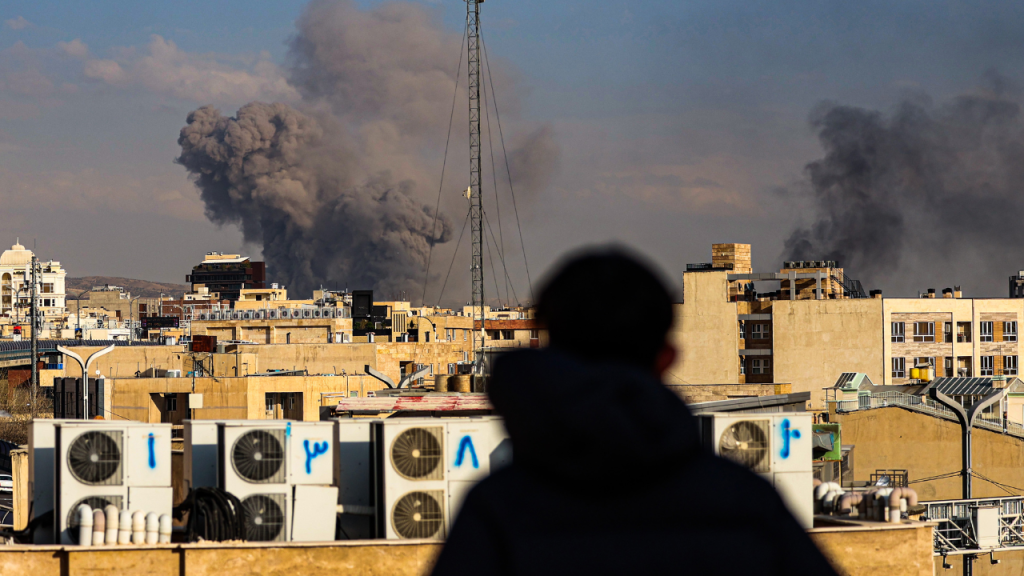

US-Israel Blitz Cripples Iran as Uncontested Airspace Nears
Introduction
In recent weeks, the geopolitical landscape in the Middle East has experienced a significant shift, as military cooperation between the United States and Israel steps up to counter Iran’s influence in the region. The operational capabilities of both nations have evolved, leading to a potential game-changer in the long-standing tensions surrounding Iran’s nuclear ambitions. This strategy of a US-Israel blitz could not only cripple Iran’s military and strategic capabilities but also pave the way for uncontested airspace near its borders.
The Current State of US-Israel Relations
The United States and Israel have long enjoyed a strategic alliance, backed by shared democratic values, mutual interests, and robust military cooperation. This relationship has only intensified as both nations recognize the growing threat posed by Iran. With its nuclear program progressing and regional proxies consolidating power, the need for coordinated action has never been more critical.
Historical Context: The Iranian Threat
Iran has been a focal point of concern for both the US and its allies for years. The 1979 Iranian Revolution resulted in a theocratic regime that opposes Western influence in the region. Over the years, Iran has built a network of proxy forces in countries like Syria, Iraq, Lebanon, and Yemen, which have been used to project power and destabilize the region. Moreover, their pursuit of nuclear capabilities has kept the world on high alert, making it imperative for the US and Israel to develop a robust counter-strategy.
The Strategic Shift: US-Israel Military Collaboration
The collaboration between the US and Israel goes beyond just intelligence sharing. It encompasses advanced military tactics, joint training exercises, and cutting-edge technology. Notably, the Iron Dome missile defense system, which Israel employs to safeguard its cities against rocket attacks, is a product of US-Israel collaboration. As military intelligence becomes increasingly sophisticated, both nations are now poised to launch a coordinated blitz against Iran.
A Two-Pronged Approach: Striking Key Infrastructure
Targeting Nuclear Facilities
One of the primary objectives of the US-Israel blitz would be to target Iran’s nuclear facilities. This would involve precision strikes designed to neutralize or severely damage Iran’s ability to enrich uranium, which is essential for its nuclear weapons program. Intelligence gathered through advanced satellite reconnaissance and human intelligence assets would play an essential role in identifying and prioritizing targets.
Disabling Military Capability
Aside from nuclear infrastructure, targeting Iran’s military capability—including its missile programs, drone systems, and regional proxies—would be crucial. This could involve a combination of airstrikes and cyber operations designed to disrupt command and control infrastructure. By crippling Iran’s military assets, the US and Israel aim to diminish its capacity to retaliate and project power in the region.
Uncontested Airspace: The New Paradigm
One of the most significant advantages of this coordinated military effort is the potential for uncontested airspace over Iran. With advanced aircraft like the F-35 being utilized for air operations, the US and Israel could establish air superiority relatively quickly. This would allow for a range of operations, from precision strikes to surveillance missions that could further weaken Iranian forces.
The Wider Implications for Regional Stability
Immediate Responses from Iran
An aggressive US-Israel blitz would likely provoke an immediate response from Iran, potentially endangering stability in the region. Iran’s leadership, facing a compromised military capacity, could resort to asymmetric tactics, including missile strikes against US installations in the region or heightened support for proxy groups. This cycle of retaliation could escalate tensions further, leading to broader conflict.
Regional Allies: The Gulf States Response
The Gulf States, particularly Saudi Arabia and the UAE, are observing the situation with a mixture of hope and anxiety. While they appreciate the potential weakening of a mutual adversary, they also worry about increased instability in an already fraught geopolitical landscape. It is likely that the Gulf States would seek to bolster their own defenses in response to a possible ripple effect from the US-Israel blitz.
The Risk of Escalation: A Fine Line to Walk
While a military strategy targeting Iran can bring immediate tactical advantages, it also comes with significant risks. The potential for unintended escalation cannot be understated. Regional players’ engagement and the calculated responses of Iran will be critical factors that can shape the outcomes of this ongoing strife. Both the US and Israel must tread cautiously to avoid a full-blown conflict that could engulf the entire Middle East.
The Diplomatic Angle: Seeking a Lasting Solution
While military options are on the table, diplomatic engagement remains a crucial aspect of US-Israel strategy. The past few decades have demonstrated that dialogues, whether direct or through intermediaries, can yield results. The focus should not only be on crippling Iran’s military capacity but also on finding long-term solutions to regional disputes that contribute to instability.
Conclusions: A New Era of US-Israel Collaboration
The potential US-Israel blitz against Iran signifies a new era of military and strategic collaboration. As both nations leverage advanced technology and military prowess, they are sending a clear message: Iran’s attempts to pursue a hegemonic agenda will not go unchecked. The shift towards coordinated military action can reshape the dynamics of power in the Middle East. However, the risks involved necessitate a careful and balanced approach, ensuring that the pursuit of military objectives is accompanied by diplomatic efforts aimed at sustainable de-escalation and stability in the region.
SEO Optimization Techniques
To ensure this content is SEO optimized, the following techniques were utilized:
- Keyword Focus: Terms like “US-Israel relations,” “Iran nuclear threat,” “military collaboration,” and “uncontested airspace” were strategically included.
- Headings and Subheadings: Structured headings and subheadings for readability and better indexing by search engines.
- Length and Depth: Comprehensive coverage of the topic to increase dwell time and decrease bounce rates.
- Internal Linking Opportunities: Suggestions for related articles can enhance SEO through increased site engagement.
In conclusion, the US-Israel blitz represents a pivotal moment in Middle Eastern geopolitics. The outcomes will be closely monitored, as they will undoubtedly affect the region for years to come.