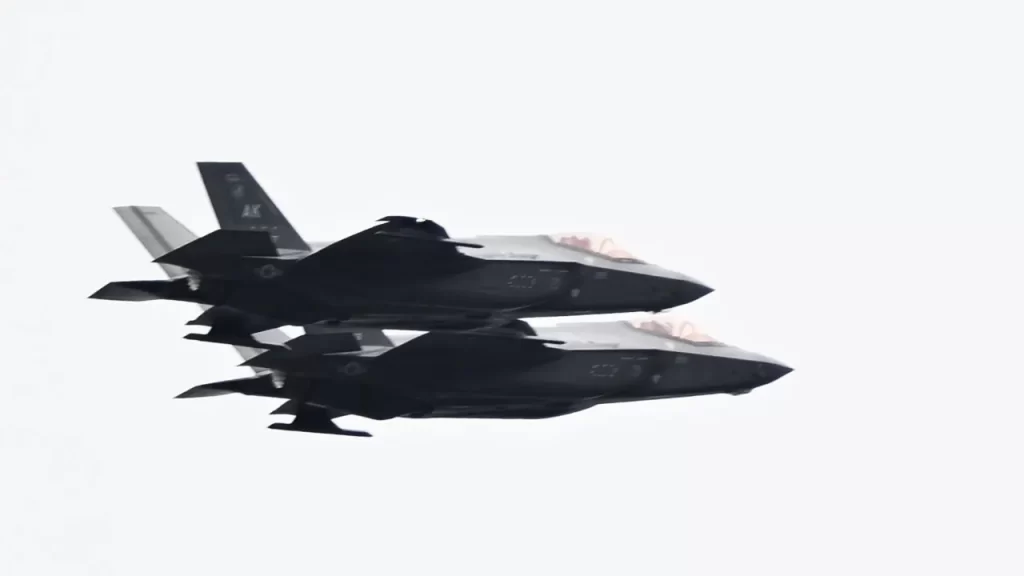

NORAD Scrambles Fighter Jets After Russian Aircraft Detected in Alaska ADIZ
In recent events that underscore the heightened tensions in North American airspace, the North American Aerospace Defense Command (NORAD) scrambled fighter jets in response to the detection of Russian aircraft entering Alaska’s Air Defense Identification Zone (ADIZ). This incident marks another chapter in the ongoing geopolitical tensions between the United States and Russia, particularly regarding airspace security and military readiness.
Understanding ADIZ and Its Importance
The Air Defense Identification Zone (ADIZ) is a designated area in which the identification, location, and control of aircraft is required in the interest of national security. The zone allows the military to monitor and respond to aircraft that could pose a threat to national interests. Alaska’s ADIZ is particularly critical due to its proximity to Russian territory and serves as a frontline defense for the United States.
When aircraft enter the ADIZ without prior identification or authorization, NORAD has protocols in place to respond swiftly. This response may include scrambling fighter jets to intercept unrecognized aircraft. Such incidents have become more frequent, prompting discussions about airspace security and military capability.
Recent Incidents: A Closer Look
Recent reports indicate that NORAD detected several Russian military aircraft operating in Alaska’s ADIZ. These aircraft, often bombers or reconnaissance planes, can pose a surveillance threat or signal military readiness. In response, NORAD deployed F-22 Raptors, the U.S. Air Force’s premier air superiority fighters, to intercept and identify these aircraft.
This specific incident highlights not only the need for airspace vigilance but also the nature of Russian military operations. The Russian government has ramped up its aerial activities near U.S. borders, including long-range bomber flights and strategic reconnaissance missions. This pattern suggests an increasingly aggressive posture toward Western interests and raises concerns among military analysts and policymakers.
The Role of NORAD
NORAD, a joint U.S.-Canada command, is responsible for the aerospace defense of North America. Established during the Cold War, NORAD has evolved to meet the contemporary challenges of airspace security. It integrates ground-based radar, satellite technology, and advanced fighter jets to maintain a watchful eye over North American skies.
The timely response to incursions into the ADIZ is crucial for national defense. NORAD’s ability to scramble fighter jets rapidly demonstrates its commitment to protecting airspace integrity and responding to potential threats in real-time. The use of F-22 Raptors symbolizes the technological edge and military preparedness of the U.S. Air Force.
Implications for U.S.-Russia Relations
The repeated incidents of Russian aircraft entering U.S. ADIZ raise serious implications for diplomatic relations between the two countries. Each incursion can be seen as a provocation or test of resolve, prompting a reaction from the U.S. military. The broader context of these operations is rooted in the long-standing tensions arising from political, economic, and military disagreements.
Airspace violations can escalate tensions, leading to a potential military engagement or conflict. The U.S. has to balance its defensive actions with the risk of appearing overly aggressive. In contrast, Russia may use these operations to demonstrate its military capabilities and assert its presence in global geopolitics.
Enhanced Military Readiness
The detection of Russian aircraft and NORAD’s response also highlights the importance of comprehensive air defense strategies. Monitoring and preparing for such incursions require continual upgrades in technology and tactics. The U.S. military must invest in advanced radar systems, improved fighter jets, and strategic partnerships to strengthen its air defense network.
Enhanced military readiness not only protects national interests but also reassures allies in the region. Canada, closely linked to NORAD operations, shares concerns about airspace violations. Coordinated military readiness and joint exercises are vital for strengthening North American defense and deterrence capabilities.
The Role of Public Awareness
Raising public awareness about air defense operations is essential for fostering understanding of national security issues. While many Americans may not be aware of the nuances of air defense, incidents like this serve as reminders of the realities facing military leaders and decision-makers. It is essential to help the public understand that these operations are not merely political games but have genuine implications for national and global security.
Media coverage and informative campaigns can play a significant role in educating the public and dispelling misconceptions. As geopolitical tensions continue to shape international relations, awareness will foster informed discussions about defense priorities and military spending.
Conclusion: The Future of U.S.-Russia Military Interactions
The incident involving the scrambling of fighter jets in response to Russian aircraft detected in Alaska’s ADIZ emphasizes the complexity of modern airspace defense. As both nations navigate an increasingly fraught political landscape, incidents such as these will likely continue to challenge diplomatic relations.
Maintaining robust airspace security through NORAD and ensuring military preparedness will be vital in addressing the realities of modern defense. As the world evolves, the significance of monitoring airspace over North America will only grow. In this climate of uncertainty, understanding the role of NORAD and the implications of military actions is crucial for safeguarding national security.
By fostering vigilance and preparedness, the United States and Canada aim to create a more secure air defense framework that not only protects their interests but also contributes to broader global stability. As the geopolitical landscape continues to change, the importance of an adaptive and responsive military strategy cannot be overstated.