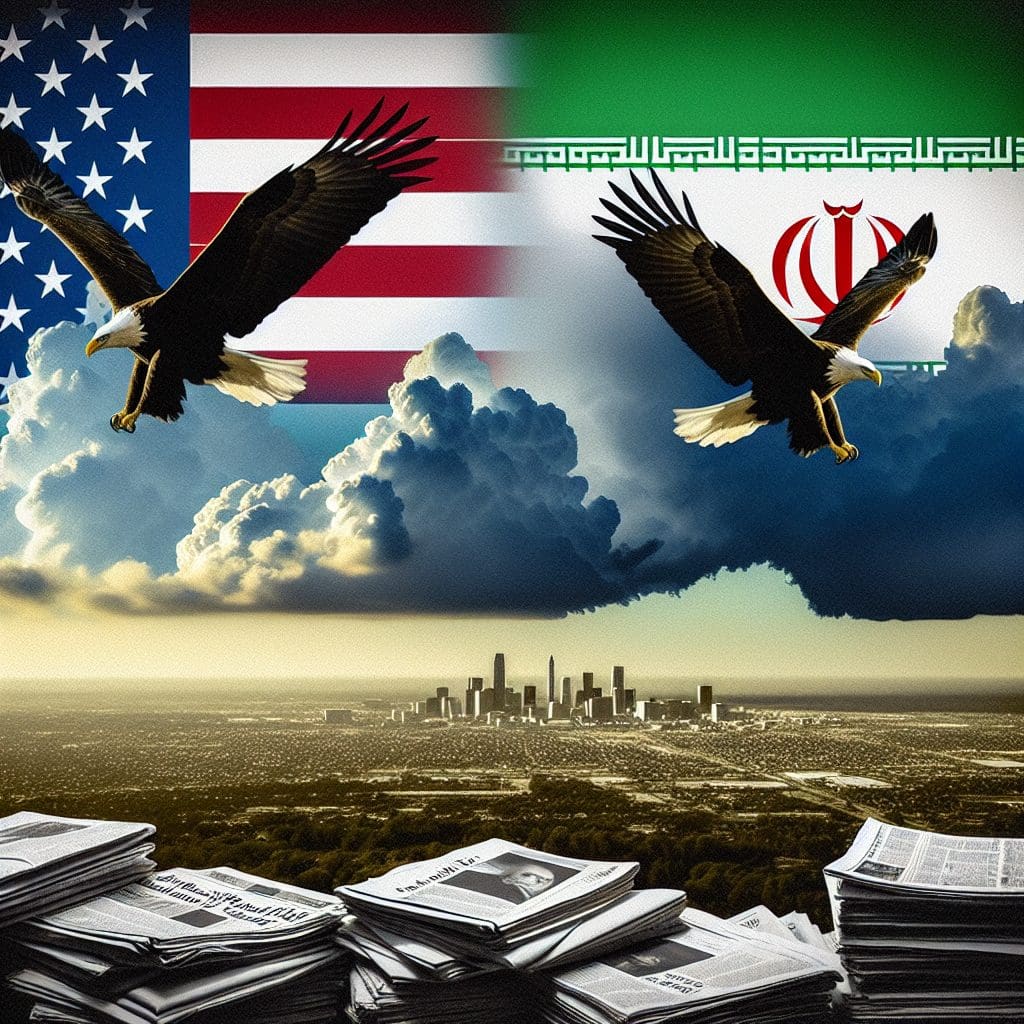

The evolving dynamics of Middle Eastern geopolitics have become particularly complex as the United States and Israel strengthen their military collaboration, targeting Iranian influence in the region. Recent offensive operations illustrate how these nations are leveraging their air superiority to counteract Iranian ambitions. This strategic alignment not only complements their shared interests but also signals a pivotal shift in regional balance.
In recent months, U.S.-Israeli air operations have intensified, focusing on degrading Iran’s military capabilities, including its missile development and proxy forces operating in Syria and Lebanon. These offensives have noticeably weakened Iran’s ability to project power, creating a temporary vacuum that could have significant ramifications for regional stability. It is increasingly apparent that Israel, backed by U.S. intelligence and advanced military technology, is capitalizing on unchallenged airspace, thereby gaining the upper hand in its long-standing confrontation with Tehran.
Iran, sensing the urgency of the situation, has reportedly ramped up efforts to bolster its defenses and countermeasures, particularly in response to airstrikes targeting key military installations. This desperate maneuvering highlights the precarious position Iran finds itself in as it deals with heightened military pressure from both the U.S. and Israel, forcing it to reconsider its regional strategies.
Meanwhile, the broader implications of these military maneuvers are felt across the Middle East. Gulf Arab nations, previously hesitant to confront Iran overtly, have found an impetus to bolster their own military capabilities. The Arab states may now view the U.S.-Israel coalition as a blueprint for their own defense strategies, marking a significant shift in alliances that could reshape the future of regional diplomacy.
On the diplomatic front, this military focus comes amid ongoing negotiations regarding Iran’s nuclear program. With Israel’s recent operations targeting Iranian supply lines and military infrastructure, there are concerns that these actions could complicate diplomatic resolutions. The U.S. is caught in a difficult position, striving to engage diplomatically while also demonstrating military resolve, navigating a path that could lead to both escalation and potential avenues for negotiation.
In conclusion, the U.S.-Israel offensive in the region represents a calculated endeavor to diminish Iranian influence and reassert dominance in the Middle East. As the airspace remains increasingly contested, the ramifications ripple outwards, impacting regional ties, defense strategies, and diplomatic negotiations. The coming months will likely determine whether these tactics achieve their intended outcomes or lead to a larger confrontation in an already volatile environment.
For more details and the full reference, visit the source link below: