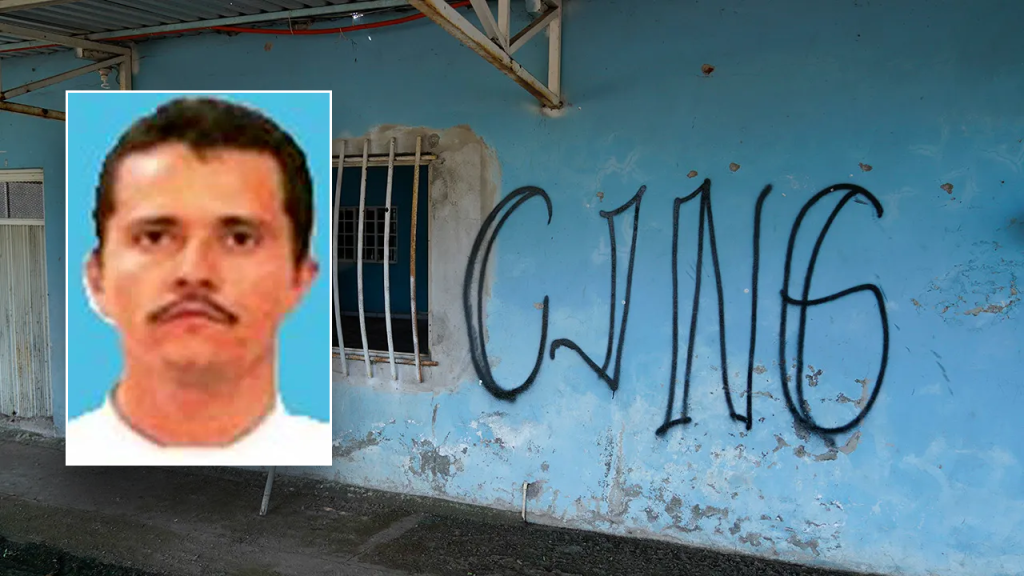

Air Force Veteran Warns: ‘El Mencho’ Death Won’t End Mexico Cartel War
Introduction
The battle against Mexico’s drug cartels has intensified in recent years, leading to a staggering increase in violence and instability across the nation. One of the most notorious figures in this ongoing conflict is Nemesio Oseguera Cervantes, widely known as “El Mencho.” As the leader of the Jalisco New Generation Cartel (CJNG), El Mencho has become a symbol of the broader issues surrounding narcotics trafficking in Mexico. Recently, an Air Force veteran shared critical insights suggesting that the death of El Mencho would not bring an end to the cartel wars. This article delves into the complexities of the situation, exploring the challenges that lie ahead in Mexico’s fight against drug cartels and the implications of a potential power vacuum.
The Face of Cartel Violence
El Mencho emerged as a dominant force in the drug trade by exploiting vulnerabilities in law enforcement and government systems. His cartel is notorious for extreme violence, employing brutal tactics to control territory and maintain power. With a reputation for ruthlessness, El Mencho has established himself as one of the most wanted criminals not only in Mexico but also in the United States. The promise of millions in rewards for his capture highlights the international implications of his actions and the enormity of the cartel’s influence.
The Air Force Veteran’s Perspective
In an exclusive interview, an anonymous Air Force veteran, well-versed in military strategy and conflict resolution, voiced concerns regarding the implications of El Mencho’s possible death. The veteran highlighted that while taking down a high-profile cartel leader may seem like a victory for law enforcement agencies, it often results in a chaotic scramble for power among rival groups. This cycle of violence typically leads to even more bloodshed, as competing factions vie for control over lucrative drug routes and territories.
Understanding the Power Vacuum
One of the core arguments presented by the veteran is the phenomenon of the power vacuum. According to historical patterns seen in various conflicts, the removal of a leader does not diminish demand for illegal substances. Instead, it often exacerbates violence as subordinates and rival gangs fight to fill the void. In Mexico’s case, there are already signs that rival cartels, such as the Sinaloa Cartel and the Zetas, are gearing up to capitalize on any instability caused by the death of El Mencho.
The Role of Governance and Corruption
Another critical aspect discussed by the Air Force veteran is the role of governance and institutional corruption. The Mexican government has struggled for decades to combat the cartel crisis effectively. Corruption within law enforcement and political spheres undermines efforts to create lasting solutions. Even if El Mencho were to be killed or captured, unless systemic issues are addressed, any resulting vacuum would likely be filled by similarly dangerous players.
The Need for Comprehensive Strategy
The Air Force veteran underscores the importance of developing a comprehensive strategy that goes beyond targeting individual cartel leaders. A successful approach necessitates strengthening institutions, promoting transparency, and ensuring community involvement. Law enforcement agencies must be equipped to dismantle cartel operations while fostering a more robust judicial system that can prosecute those involved in drug trafficking.
Community Engagement and Rehabilitation
Additionally, systemic change cannot occur without addressing the root causes of the drug epidemic, including poverty and lack of educational opportunities. The veteran emphasizes community engagement as a crucial element in breaking the cycle of violence. By providing alternatives to youth in cartel-dominated regions, such as education, vocational training, and employment opportunities, communities can become less reliant on cartels for economic stability.
International Implications of Cartel Violence
The ramifications of Mexico’s cartel wars are felt far beyond its borders. The drug trade contributes significantly to the opioid crisis and other substance abuse issues faced by countries like the United States. Increased violence can lead to refugee crises as individuals flee cartel-related threats. Thus, the implications of El Mencho’s death are not confined to Mexico; they resonate globally.
A Global Approach to a Regional Problem
The veteran articulates that the international community, particularly the United States, must take a more active role in addressing these issues. Joint operations, intelligence-sharing, and training could bolster counter-narcotic efforts. Understanding the dynamics of cartel operations could lead to more effective strategies that prevent violent escalation and disrupt the drug trade.
Conclusion
The warning from the Air Force veteran serves as a poignant reminder that removing a high-profile figure like El Mencho may not translate into an end to the violence inherent in Mexico’s cartel wars. The intricacies of power dynamics, governance, and community engagement underscore the need for a more comprehensive approach to combating drug cartels.
In essence, the death of El Mencho may spark a temporary shift in power, but it will not eliminate the underlying issues driving the cartel wars. To create lasting change, a multi-faceted strategy that addresses corruption, enhances institutional frameworks, and promotes community support is essential. Only then can Mexico hope to break free from the chains of cartel violence and build a safer, more stable future for its citizens.
Call to Action: What Can Be Done?
As we reflect on the complexities of Mexico’s drug wars, it’s vital for both informed citizens and policymakers to advocate for comprehensive strategies. Community involvement, international cooperation, and a focus on systemic reform must be at the forefront of any initiative aimed at dismantling the drug cartels that plague Mexico and threaten global security.
In summary, the situation remains fluid, and while the death of a cartel leader may provide a temporary sense of relief, the true battle lies in empowering communities, rebuilding institutions, and addressing the transnational nature of the drug trade. It is only through collaborative, innovative approaches that we can hope to secure a safer future.