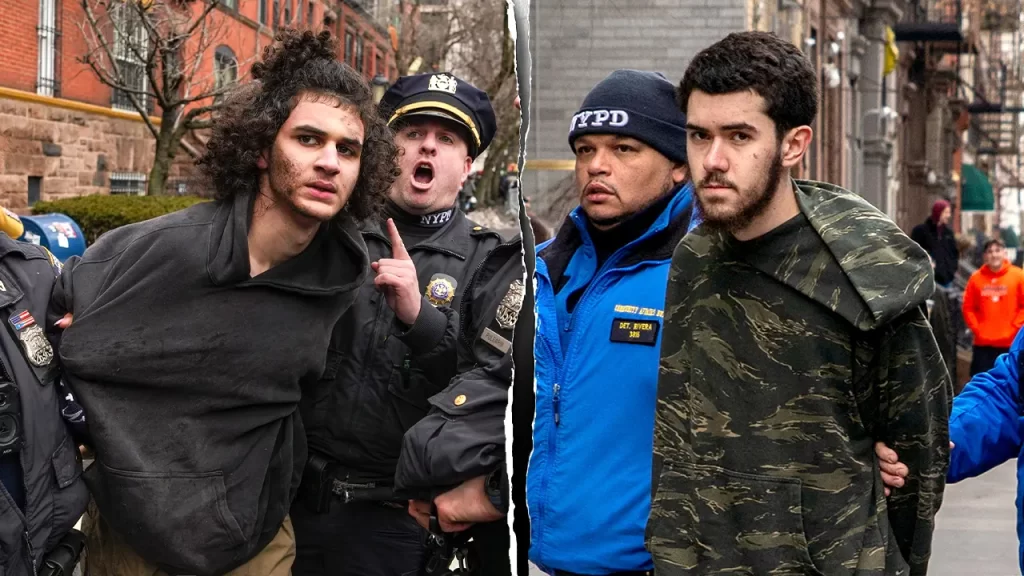

NYC Suspect Planned Attack Bigger Than Boston Marathon Bombing, Prosecutors Say
Introduction
In a shocking revelation, prosecutors have claimed that a suspect in New York City had intentions to carry out an attack even larger than the infamous Boston Marathon bombing. This alert ignites concerns about terrorism and public safety in one of the world’s most populated cities. This article delves into the details surrounding the suspect, his motivations, and implications for public safety.
Background on the Boston Marathon Bombing
The Boston Marathon bombing occurred on April 15, 2013, leaving three people dead and over 260 injured. It was a tragic event that heightened concerns regarding domestic terrorism, prompting significant changes in security protocols across major cities in the U.S. The aftermath resulted in extensive investigations, heightened surveillance, and a renewed focus on identifying potential threats.
The NYC Suspect
Who is the Suspect?
The suspect, whose identity has not been publicly disclosed due to the ongoing investigation, was apprehended following a series of intelligence reports. Law enforcement officials have indicated that he had aspirations to inflict mass casualties, drawing parallels to events like the Boston Marathon bombing.
Motivations and Ideology
Prosecutors suggest that the suspect’s motivations stem from extremist ideology, possibly influenced by radical propaganda. He allegedly exhibited signs of radicalization, which raises alarms on the potential urgency and seriousness of his plans. Understanding the ideologies that drive such individuals is critical for preventing acts of terrorism in the future.
Planned Attack Details
Scope of the Attack
Reports indicate that the planned attack was intricately detailed, showcasing a level of premeditation rare in cases involving individual suspects. The suspect purportedly had a goal of inflicting higher casualties than those seen during the Boston Marathon bombing. This level of ambition not only highlights a dangerous mindset but also raises questions about his support network and the resources he may have had access to.
Target Selection
Information about potential targets is still being investigated, but sources suggest he was eyeing areas with high foot traffic, similar to where the Boston Marathon took place. Such locations are often targeted for maximum impact, emphasizing the need for enhanced security measures in public spaces.
Implications for Public Safety
Increased Security Measures
Given the gravity of the situation, city officials and law enforcement agencies have ramped up security protocols across New York City. This includes heightened vigilance at public events, increased patrols in crowded areas, and collaboration with federal agencies for intelligence sharing. The proactive approach is necessary to mitigate potential risks.
Community Awareness and Involvement
In light of these events, community engagement is pivotal. Authorities are encouraging residents to remain vigilant and report any suspicious activity. Programs aimed at educating the public about recognizing signs of radicalization and potential threats can serve as an essential undercurrent in the fight against domestic terrorism.
Legal Proceedings
Charges Against the Suspect
As the legal proceedings unfold, the suspect faces serious charges, including conspiracy to commit terrorism and possession of weapons for unlawful purposes. The legal implications of this case are significant, as they set a precedent for how similar cases may be handled in the future.
The Role of the Justice System
The justice system plays a critical role in addressing terrorism-related offenses. Ensuring that suspects are prosecuted to the fullest extent of the law can serve as a deterrent to others considering similar acts. Furthermore, recognizing the complexities of terrorism-related cases necessitates a careful balance between maintaining public safety and upholding civil liberties.
Conclusion
The shocking allegations surrounding the NYC suspect serve as a grim reminder of the persistent threat posed by domestic terrorism. As communities grapple with the realities of these threats, proactive measures, increased awareness, and a vigilant law enforcement presence become imperative. The potential for an attack on the scale of the Boston Marathon bombing is a wake-up call that highlights the importance of combined efforts between law enforcement and the community to ensure safety and security for all.
FAQs
What motivated the NYC suspect’s planned attack?
The suspect is believed to have been influenced by extremist ideologies, which played a significant role in his radicalization and willingness to commit acts of terrorism.
How are authorities responding to the threat?
Law enforcement agencies have heightened security measures, increased patrols, and are actively collaborating with federal agencies to ensure public safety.
What legal charges does the suspect face?
The suspect is facing serious charges, including conspiracy to commit terrorism and unlawful possession of weapons.
How can communities help prevent terrorism?
Community members are encouraged to remain vigilant, report suspicious activities, and engage in programs aimed at understanding the signs of radicalization.
What are the implications for public policy?
This incident underscores the need for updated security policies, community engagement, and legislation that addresses the evolving landscape of domestic terrorism.