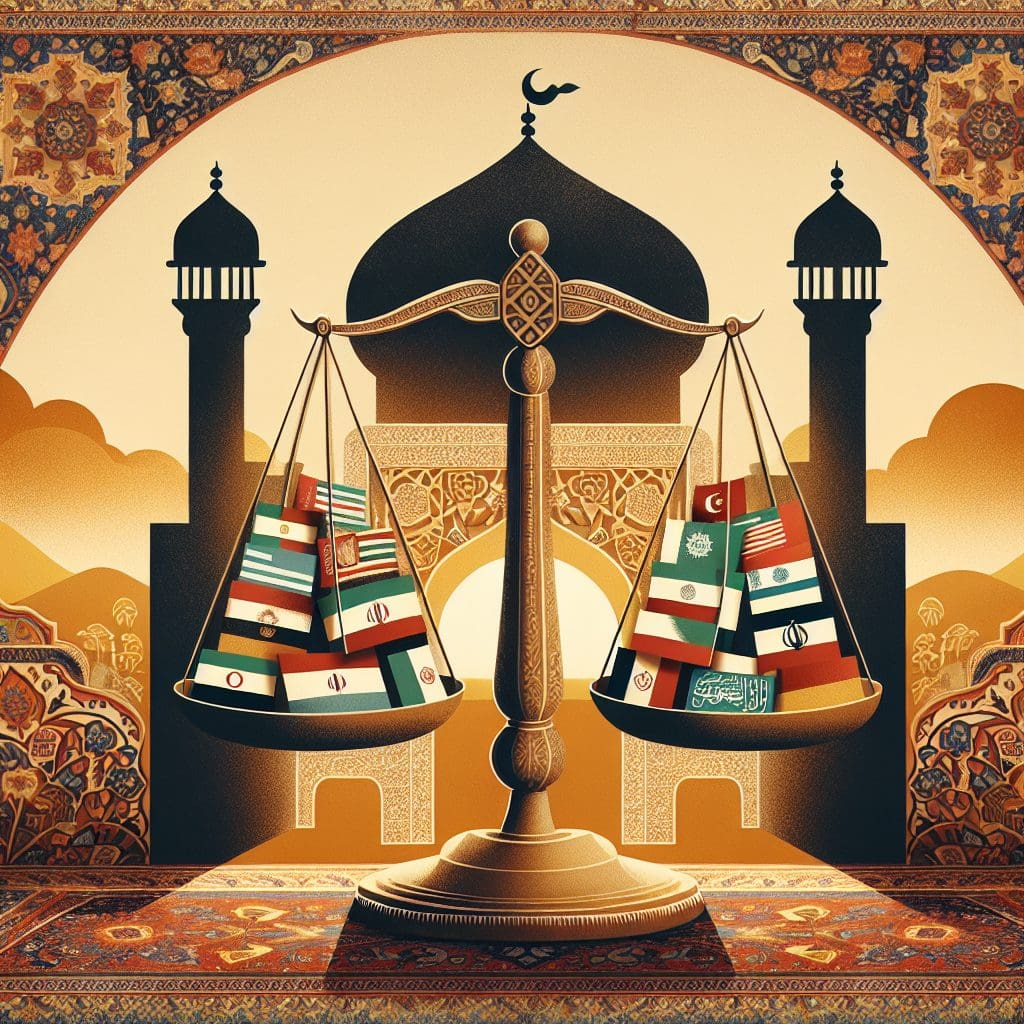

A Guide to Iran’s Partners and Adversaries
Iran, a nation steeped in rich history and cultural diversity, plays a pivotal role in the Middle East region and beyond. Its international relations are complex, marked by alliances and rivalries that influence global geopolitics.
Partners
-
Russia: Iran and Russia share a strategic partnership, particularly in military and economic sectors. Their collaboration was evident during the Syrian Civil War, where both nations supported Bashar al-Assad’s regime. Iran relies on Russia for military equipment and technological support, while Russia benefits from Iran’s regional influence, which helps stabilize its own interests in the Middle East.
-
China: China is another critical ally of Iran, especially given their growing economic ties. The two countries solidified their relationship through a 25-year cooperation agreement in 2021, focusing on trade, technology, and investment. China’s demand for Iranian oil helps Tehran bolster its economy, particularly amid Western sanctions. Additionally, their partnership extends to infrastructure and energy projects, allowing both nations to counterbalance Western influence.
-
Hezbollah: Iran’s support for Hezbollah, a Lebanese militant group, marks its commitment to employing asymmetric warfare as a tool of regional influence. Hezbollah acts as a proxy for Iran, enabling it to project power and challenge Israeli interests. This relationship is significant not just militarily but also politically, as it helps Iran position itself as a defender of Shiite interests in the region.
Adversaries
-
United States: The U.S. is perhaps Iran’s most prominent adversary, particularly following the 1979 Islamic Revolution. The imposition of sanctions against Iran, especially concerning its nuclear program, has exacerbated tensions. The U.S. views Iran as a destabilizing force in the Middle East due to its support for militant groups and its aggressive regional policies.
-
Saudi Arabia: The rivalry between Iran and Saudi Arabia is deeply rooted in sectarian divides, with Iran representing Shia Islam and Saudi Arabia representing Sunni Islam. This rivalry manifests in proxy conflicts across the region, including in Yemen, Syria, and Iraq. Both nations strive for regional dominance, leading to a long-standing geopolitical struggle that has significant implications for the broader Middle East.
-
Israel: Iran’s relationship with Israel is characterized by hostility, primarily due to Iran’s vocal opposition to Israel’s existence and its support for groups such as Hamas. Israel perceives Iran as its main existential threat, particularly regarding Iran’s nuclear ambitions and its influence in neighboring countries.
Conclusion
In summary, Iran’s landscape of partners and adversaries significantly shapes its foreign policy and regional strategy. As global dynamics continue to shift, understanding these relationships is essential for grasping the complexities of Middle Eastern geopolitics and the implications for global security.
For more details and the full reference, visit the source link below:
Read the complete article here: https://www.stl.news/a-guide-to-irans-partners-and-adversaries/