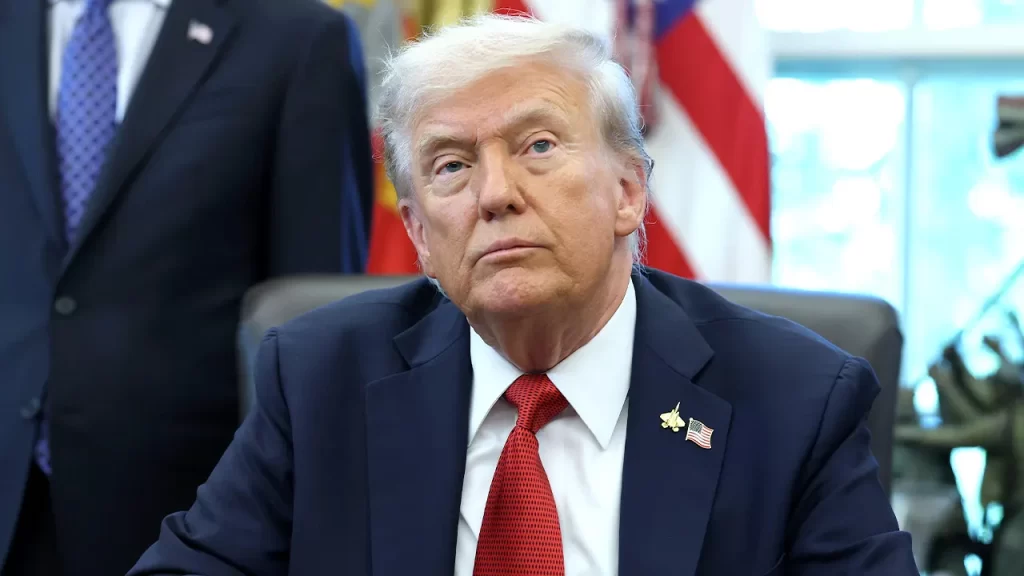

Trump Warns Iran: Strikes ‘Twenty Times Harder’ if Nation Refuses to Heed Warning
In recent statements, former President Donald Trump has issued a stern warning to Iran, cautioning that any refusal to comply with U.S. demands could lead to military strikes that are “twenty times harder” than any previous actions taken. This declaration has sparked widespread debate regarding U.S.-Iran relations, military strategy, and the potential geopolitical ramifications of such aggressive rhetoric.
Background on U.S.-Iran Relations
The relationship between the United States and Iran has been fraught with tension since the 1979 Iranian Revolution. The U.S. has imposed various sanctions aimed at curtailing Iran’s nuclear program and its regional influence. Trump’s presidency was marked by significant developments, including the withdrawal from the Joint Comprehensive Plan of Action (JCPOA), a deal that aimed to limit Iran’s nuclear ambitions in exchange for sanctions relief.
The current landscape of U.S.-Iran relations is complex, characterized by a series of provocations, retaliatory strikes, and diplomatic attempts that have ultimately stalled. Trump’s recent comments serve as a stark reminder of the volatile nature of this relationship.
The Implications of Trump’s Warning
Military Escalation
Trump’s warning of potential strikes “twenty times harder” signals an escalation in rhetoric that could pave the way for military intervention. The implications of such statements cannot be understated. Should the U.S. decide to act on these threats, the consequences could be catastrophic, not just for Iran but for the entire Middle East.
Regional Tensions
Trump’s statements may exacerbate existing tensions in the region. Iran, a key player in the Middle East, exerts influence over several neighboring countries, including Iraq and Syria. Any military action could further destabilize an already volatile area, drawing in regional allies and rivals alike, potentially leading to a broader conflict.
Trump’s Approach: A Pattern of Aggression?
Historically, Trump has favored a hardline approach when it comes to foreign policy. His administration’s “maximum pressure” strategy sought to suffocate Iran’s economy through sanctions. Analysts argue that this approach has not only failed to curb Iran’s nuclear ambitions but has also pushed it closer to adversarial alliances with nations such as Russia and China.
By escalating his rhetoric now, Trump may be aiming to reinforce his base ahead of future political ambitions. His unyielding stance toward Iran could resonate with many voters who prioritize a strong national defense. However, the question remains—will this approach yield better results than previous strategies, or will it only deepen divides?
International Reactions
Allies and Adversaries
The international community’s response to Trump’s warning has been mixed. Key U.S. allies, including European nations, have frequently criticized Trump’s handling of Iran, arguing that his hardline tactics have only complicated diplomatic efforts. Conversely, nations that have historically been adversarial to the U.S., like Russia and China, might view the warning as an opportunity to strengthen their ties with Iran.
United Nations Stance
The United Nations, which has urged for diplomatic solutions to the Iran crisis, will likely express concern over Trump’s aggressive posture. The potential for U.S. military action could prompt an emergency meeting of the UN Security Council, where members could call for de-escalation and dialogue as opposed to military confrontation.
The Consequences of Miscalculation
Military and Humanitarian Impact
Any military intervention carries the risk of significant human and economic costs. For Iran, a military strike could lead to civilian casualties and humanitarian crises, further igniting anti-U.S. sentiments and retaliatory actions. Additionally, this could destabilize the global oil market, given that the Persian Gulf is a crucial transit area for oil shipments.
Long-Term Geopolitical Ramifications
Engaging in military action could have long-lasting repercussions for U.S. foreign policy in the region. A new conflict in the Middle East could create vacuum areas filled by extremist groups or lead to prolonged military engagements reminiscent of past conflicts in Iraq and Afghanistan.
Diplomatic Solutions: A Necessary Consideration
While Trump’s rhetoric is alarming, it is critical to explore diplomatic avenues that could yield a more stable outcome. Engaging in talks with Iran may prove a more fruitful path than escalating military tensions. By addressing key concerns and involving international stakeholders, the U.S. could foster a cooperative atmosphere that prioritizes stability over aggression.
The Role of Multilateralism
In light of Trump’s warning, the importance of multilateral diplomacy cannot be overstated. Past protracted negotiations involved not just the U.S. and Iran but also key global players. A multilateral approach could enhance credibility and provide a platform for addressing broader issues regarding Iran’s missile program and support for proxy groups in the region.
Conclusion: The Stakes are High
Trump’s warning that Iran faces strikes “twenty times harder” underscores the precarious state of U.S.-Iran relations. As we navigate these turbulent waters, it is evident that the stakes are exceedingly high. Navigating the complexities of diplomacy, military strategy, and regional stability requires a balanced and calculated approach.
The potential for military engagement looms large, but so too does the opportunity for dialogue and compromise. From the historical context of U.S.-Iran relations to the future of international diplomacy, this situation continues to evolve, demanding vigilance and thoughtful discussion.
As global citizens, we all have a stake in ensuring that the dialogue remains open and constructive, prioritizing peace and cooperation over aggression and conflict. Whether Trump’s warnings translate into action or serve merely as posturing, the world will be watching—hoping for resolutions that promote stability and security rather than escalation and war.