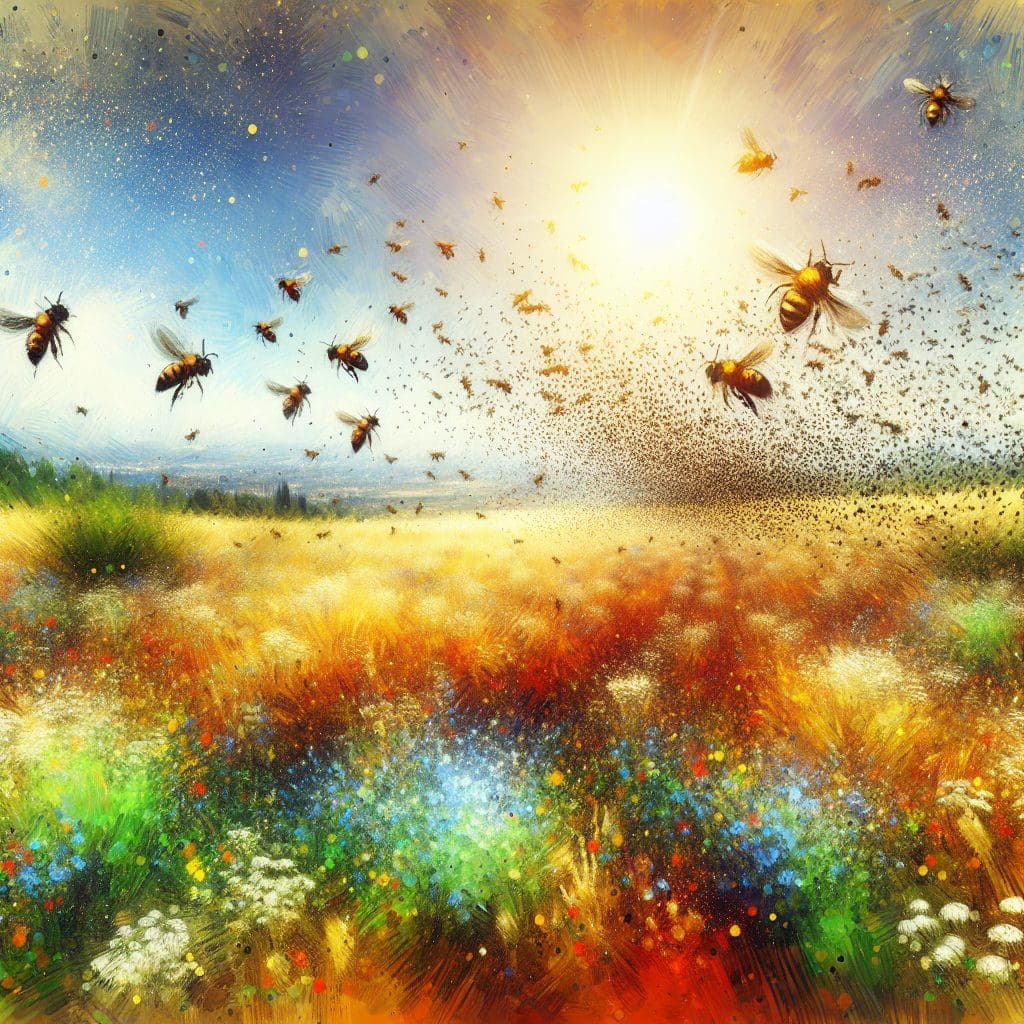

More Bees Than We Ever Imagined
Recent studies have revealed a stunning diversity and abundance of bee populations, far surpassing our previous understandings. While the plight of bees has garnered attention due to declining numbers linked to habitat loss, pesticides, and climate change, researchers are uncovering layers of complexity within their populations that challenge earlier assumptions.
One of the most thrilling discoveries is the sheer variety of bee species. Estimates suggest that there are over 20,000 species of bees worldwide, and many remain unclassified. This rich diversity is essential for the pollination of a wide range of plants, which in turn supports entire ecosystems and food systems. From the ubiquitous honeybee to the solitary mason bee, each species plays a unique role in maintaining ecological balance. The findings highlight not only the vast number of bees but also the intricate relationships they have with the flora they pollinate, revealing a web of interdependence that is crucial for biodiversity.
Interestingly, researchers have also found that certain regions previously thought to be devoid of bee life are teeming with undiscovered species. For instance, urban areas, which are often seen as ecological wastelands, have been found to support surprising populations of pollinators. Community gardens, green roofs, and parks serve as vital habitats where bees can flourish. These findings imply that conservation efforts should extend beyond rural areas into our cities, recognizing the potential for urban landscapes to provide critical refuges for these essential insects.
Moreover, citizen science initiatives have played a pivotal role in expanding our understanding of bee populations. Engaging local communities in monitoring bee activity has not only contributed valuable data to scientists but has also fostered a greater appreciation for these creatures. People are beginning to realize that by planting bee-friendly gardens and minimizing pesticide use, they can have a direct positive impact on local bee populations.
However, while these discoveries are encouraging, they also underscore the importance of ongoing conservation efforts. As researchers continue to unveil the complexity of bee species and their ecological significance, the need for proactive measures to protect their habitats becomes even more evident. This includes sustainable farming practices, habitat restoration, and policy changes that prioritize biodiversity.
The realization that there may be more bees than we ever imagined reminds us of the resilience of nature. Yet, it also serves as a wake-up call to appreciate and protect these vital pollinators. As stewards of the Earth, we must recognize our role in safeguarding their futures, ensuring that our environment continues to sustain both bees and ourselves for generations to come.
For more details and the full reference, visit the source link below:
Read the complete article here: https://www.stl.news/more-bees-than-we-ever-imagined/