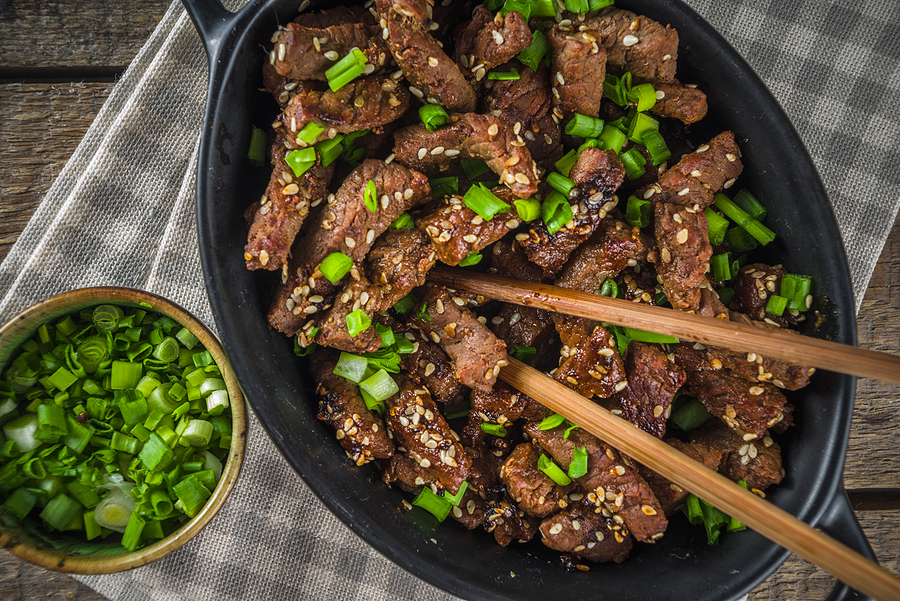

The rise of Korean BBQ in America represents a fascinating intersection of culture, cuisine, and community. Over the past few decades, this culinary phenomenon has gained unprecedented popularity, evolving from a niche dining experience into a mainstream favorite.
Korean BBQ, or “gogi-gui,” involves grilling bite-sized marinated meats, typically beef, pork, or chicken, at the table. The communal aspect of cooking together fosters a sense of community, allowing diners to engage in a communal eating experience that contrasts starkly with traditional dining norms. This interactive style resonates well with the American dining public, who increasingly seek out experiences beyond mere sustenance.
Historically, Korean immigration to the United States surged during the 1970s and 1980s, primarily driven by changes in immigration laws and socio-political factors. Early Korean immigrants established small businesses, including restaurants that served authentic Korean cuisine. These establishments mainly attracted Korean Americans but eventually piqued the curiosity of non-Korean diners. The flavor profiles—rich marinades, fresh ingredients, and diverse side dishes—caught on quickly, while the hands-on grilling made for an engaging experience.
The advent of social media and food blogs has significantly contributed to the popularity of Korean BBQ. With platforms like Instagram and TikTok, food enthusiasts can share visually stunning images and videos of their dining experiences. The social aspect of sharing grilled meats, traditional banchan (side dishes), and vibrant sauces has turned Korean BBQ into a trend, encouraging more people to explore this unique culinary experience.
Moreover, the globalization of food has played a crucial role in the mainstreaming of Korean BBQ. As American diners become more adventurous and eager to try international cuisines, restaurants offering Korean BBQ have popped up across major cities, from Los Angeles to New York City. Many of these establishments incorporate modern twists on traditional dishes, making them more appealing to a broader audience while preserving the essence of Korean culinary traditions.
The fusion of Korean BBQ with American tastes has also birthed innovative dishes, blending familiar elements with traditional Korean flavors. For example, the rise of Korean tacos and barbecue fried chicken showcases the versatility and adaptability of this cuisine. These creative combinations further cement Korean BBQ’s place in the American culinary landscape.
In conclusion, the rise of Korean BBQ in America reflects more than just a food trend; it embodies the rich tapestry of cultural exchange and the desire for communal experiences around dining. As it continues to evolve, Korean BBQ is undoubtedly making its mark on American food culture, inviting everyone to gather around the grill and enjoy a shared meal.
For more details and the full reference, visit the source link below:
Read the complete article here: https://stlouisrestaurantreview.com/the-rise-of-korean-bbq-america/