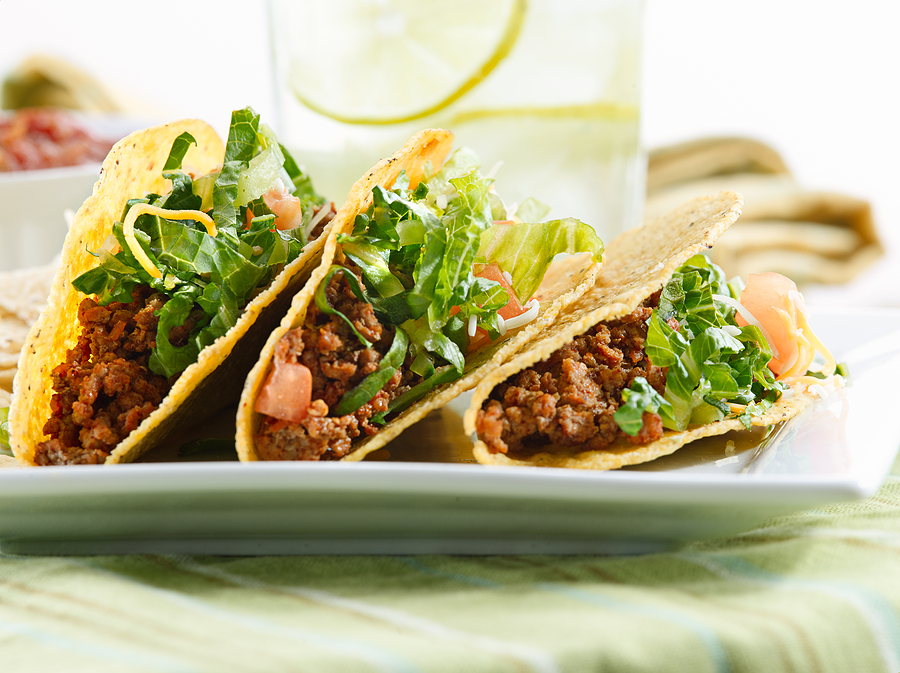

Tacos and Mexican street food have a rich history that mirrors the vibrant culture of Mexico. The origins of tacos can be traced back to the indigenous people who inhabited the region long before the arrival of Spanish colonizers in the 16th century. The Nahuatl language, spoken by the Aztecs, even has a word “tlahco,” which means “half” or “in the middle,” possibly suggesting a flatbread containing fillings.
Initially, tacos served as a practical meal for laborers. They were easy to prepare, portable, and could be filled with a variety of ingredients, including fish, meats, or vegetables. The Spanish influence introduced new elements such as beef and pork, which have come to define many taco recipes today.
As urbanization grew in Mexico, so did the phenomenon of street food. In cities like Mexico City, vendors began to pop up with their carts, serving up a plethora of options that range from tacos al pastor to tamales to elotes. These foods became staples, nourishing the bustling working-class population while also serving as a vibrant social hub where people gathered to chat and enjoy flavorful meals.
One of the most beloved types of tacos is the taco al pastor. This dish has a fascinating backstory stemming from Lebanese immigrants who brought the concept of shawarma to Mexico in the 1920s. Local chefs adapted the recipe, utilizing marinated pork cooked on a vertical spit and served with pineapple, cilantro, and onions—all tucked into a warm corn tortilla. The merging of traditions exemplifies how Mexican cuisine can embrace and adapt various influences.
Beyond tacos, street food in Mexico encompasses a wealth of culinary treasures. Staples like tamales, quesadillas, and churros all share a space alongside tacos in the vibrant street food scene. These nomadic meals are not just about sustenance; they communicate stories from the past and provide a glimpse into the local communities. Street vendors often use family recipes that have been passed down through generations, thus preserving cultural heritage and fostering a sense of identity.
In contemporary times, interest in Mexican street food has surged worldwide, with people eager to experience authentic flavors. Many cities outside of Mexico have embraced the taco craze, leading to fusion versions that combine traditional recipes with modern culinary techniques. Restaurants and food trucks alike celebrate the rich history behind these dishes, ensuring that the legacy of tacos and Mexican street food continues to thrive.
Ultimately, the story of tacos is not just about food; it’s a testament to resilience, adaptation, and the unbreakable connection between culinary art and cultural identity.
For more details and the full reference, visit the source link below: