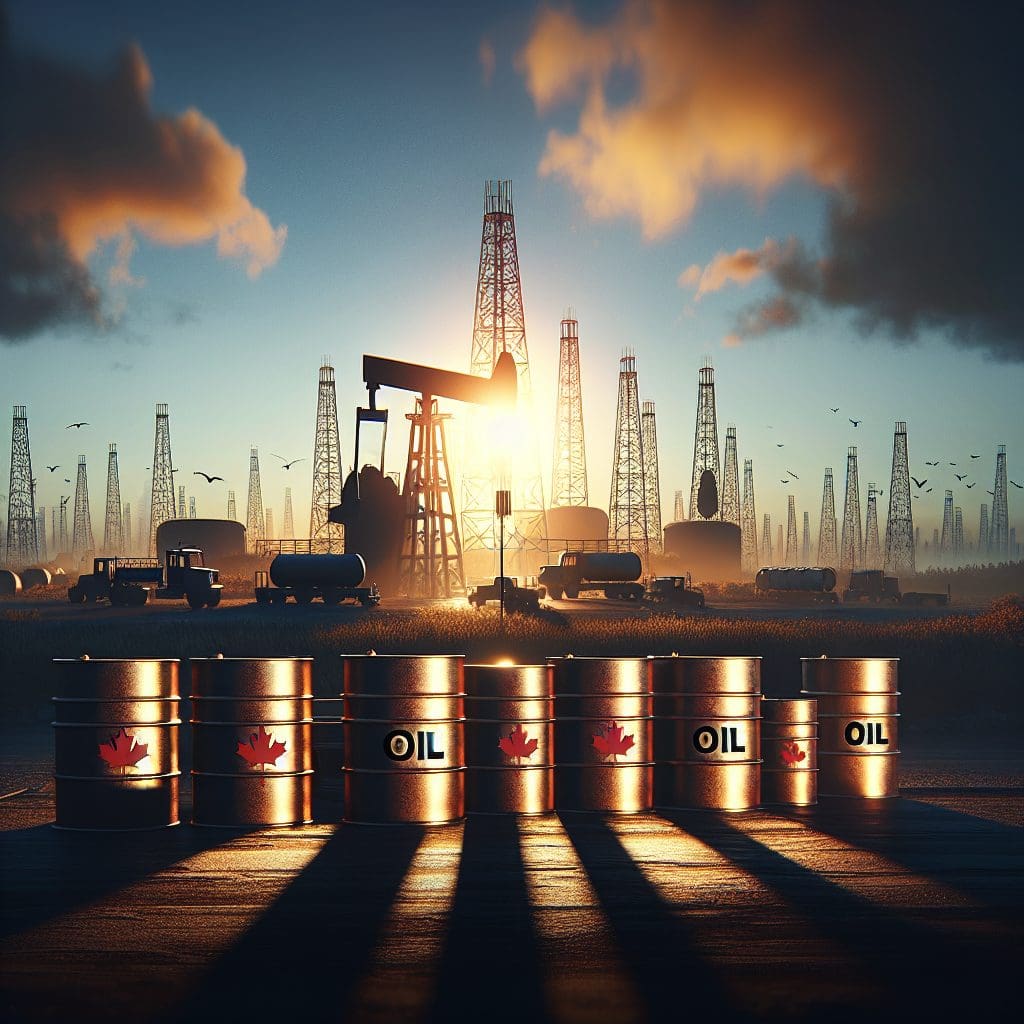

In the current landscape of an energy crisis, many countries are leaning on their oil reserves to bolster their energy security and stabilize markets. However, Canada finds itself in a complex position, largely precluded from taking similar action. Several interrelated factors contribute to this scenario, ranging from regulatory frameworks to market dynamics and environmental commitments.
Firstly, Canada is home to one of the largest reserves of oil in the world, primarily concentrated in its tar sands. Despite this abundance, the extraction of oil from these reserves is not straightforward. Tar sands extraction is a labor-intensive process that involves environmental degradation and significant carbon emissions. As global attention shifts toward climate change, the Canadian government faces mounting pressure to meet its environmental commitments, particularly under international agreements such as the Paris Accord. This situation creates a paradox: while there is a demand for oil to meet present energy needs, the extraction process runs counter to long-term sustainability goals.
Moreover, Canada’s regulatory landscape is complex and multifaceted. Several levels of government, including provincial authorities, have jurisdiction over oil extraction. This fragmentation can create delays in exploiting reserves effectively. For example, the approval processes for new pipelines and drilling projects can be cumbersome and contentious, often facing opposition from Indigenous communities and environmental advocacy groups. These groups rightly point out that more oil extraction can exacerbate climate issues, leading to protracted legal battles and public protests that can stall projects for years.
Market dynamics also play a critical role in Canada’s oil reserve dilemma. Canada is heavily reliant on the United States as its primary oil market, accounting for a substantial percentage of its exports. Fluctuations in U.S. demand, along with geopolitical tensions and trade relations, can impact Canada’s ability to tap into its oil reserves effectively. Furthermore, competition from cheaper oil sources, both domestic and abroad, places Canadian oil at a disadvantage in a tightening global market.
Lastly, the energy crisis has highlighted the urgent need for a transition to renewable energy sources. Canada has invested heavily in green technologies and is positioning itself as a leader in clean energy, which complicates any short-term efforts to exploit fossil fuel reserves. The government is attempting to balance immediate energy needs with long-term sustainability goals, a challenging endeavor in the current geopolitical climate.
In summary, Canada’s hesitance to tap into its oil reserves during an energy crisis stems from an intersection of environmental commitments, regulatory complexities, market dependencies, and a vision for a sustainable energy future. The situation underscores the nuanced challenges faced by countries trying to navigate immediate energy needs while maintaining their long-term sustainability objectives.
For more details and the full reference, visit the source link below: