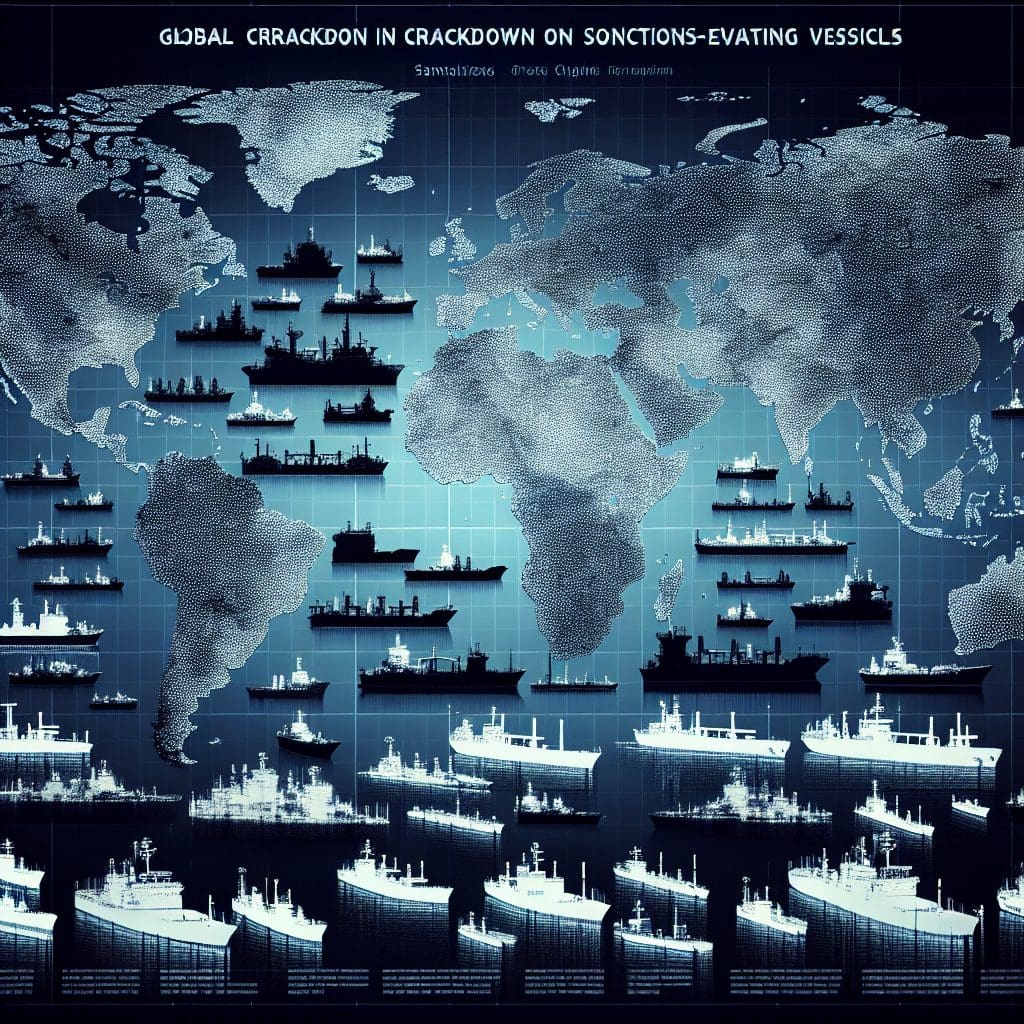

Analysis of Shadow Fleets: Global Crackdown on Sanctions-Evading Vessels
In a world increasingly interconnected through trade and commerce, the emergence of shadow fleets—ships operating outside regulatory frameworks to evade sanctions—has become a pressing issue for governments and enforcement agencies. These vessels play a crucial role in the black market by facilitating illicit trade, notably in oil and goods from sanctioned nations. A comprehensive analysis of shadow fleets reveals the complex interplay of geopolitical factors, enforcement challenges, and the innovative techniques employed by these vessels to evade detection.
Shadow fleets have proliferated significantly in recent years, particularly in response to economic sanctions imposed on countries such as Iran, North Korea, and Venezuela. For instance, according to the International Maritime Organization, the global shipping industry has seen a substantial rise in the number of tankers registered under flags of convenience, allowing them to operate with minimal oversight. By using shell companies and deceptive practices, these vessels often change names and registers, making it exceedingly difficult for authorities to track their activities.
Enforcement agencies worldwide are ramping up efforts to address this challenge, employing advanced technologies such as satellite tracking, artificial intelligence, and data analytics. The U.S. Department of the Treasury, for example, has begun to use geospatial intelligence to identify and monitor vessels suspected of engaging in sanction evasion. Additionally, multinational cooperation is becoming increasingly vital as nations realize that shadow fleets do not confine themselves to national waters but operate globally, necessitating coordinated international responses.
However, the advantages of operating within shadow fleets often outweigh the risks for their operators. The clandestine nature of these vessels allows them to circumvent traditional maritime regulations and profit from high-demand commodities, particularly in the energy sector. For instance, ships transporting sanctioned oil can often sell their cargoes for substantially higher prices, especially in markets where demand outstrips supply. This financial incentive makes it challenging to deter operators from engaging in such practices.
Despite global efforts, challenges remain robust. Governance gaps, insufficient legal frameworks, and varying degrees of political will among countries complicate enforcement efforts. Moreover, as shadow fleet operators become increasingly sophisticated, they adopt new technologies and strategies to avoid detection, continuously evolving to outpace regulatory frameworks.
In conclusion, as shadow fleets continue to pose significant threats to global sanctions regimes, the international community must enhance collaboration and invest in innovative tracking and enforcement technologies. A multifaceted approach, involving the sharing of intelligence, resources, and strategies among nations, will be crucial to effectively combating the growing phenomenon of shadow fleets and the illicit activities they support.
For more details and the full reference, visit the source link below: