
Iranian-Americans in Los Angeles React to Iran War with Mixed Emotions
The ongoing tensions and recent developments in Iran have prompted a wide range of reactions among the Iranian-American community in Los Angeles. With the city being home to one of the largest Iranian diasporas outside of Iran, the emotional landscape is rich and complex. This article delves into how Iranian-Americans are coping with the situation, expressing their feelings of hope, despair, and everything in between.
Historical Context of Iranian-Americans in Los Angeles
The Rise of the Diaspora
The Iranian-American community began to significantly grow in the 1970s, particularly during the Iranian Revolution of 1979, which led many to flee their homeland for better opportunities. Los Angeles quickly became a hub due to its favorable climate and the presence of existing Iranian families. The neighborhood of Westwood, often nicknamed “Tehrangeles,” became a cultural epicenter, featuring restaurants, businesses, and community centers.
Political Engagement and Activism
Historically, Iranian-Americans have been politically active, advocating for democracy and human rights in Iran. Many members of the community are keenly aware of the complexities surrounding U.S.-Iran relations, often reflecting a dual identity that encompasses both pride in their Iranian heritage and the challenges faced in their adopted homeland.
Emotional Reactions to the Iran War
A Spectrum of Feelings
The intensity of emotions among Iranian-Americans regarding the ongoing conflict varies widely. While some may express outrage and despair over conflict and loss of life, others might feel relief at the prospect of change. Many grapple with the dilemma of hoping for a better future for Iranians while fearing for the safety and well-being of friends and family still living in Iran.
Stories from the Community
Ali Reza, a Business Owner
Ali Reza, who owns a local Persian restaurant, expressed a mix of pride and sadness. “I want the Iranian people to be free, but I also worry about the violence and suffering that comes with war,” he explains. His family still lives in Iran, making the situation feel personal for him. He wants change, but at what cost?
Fatemeh, a Student
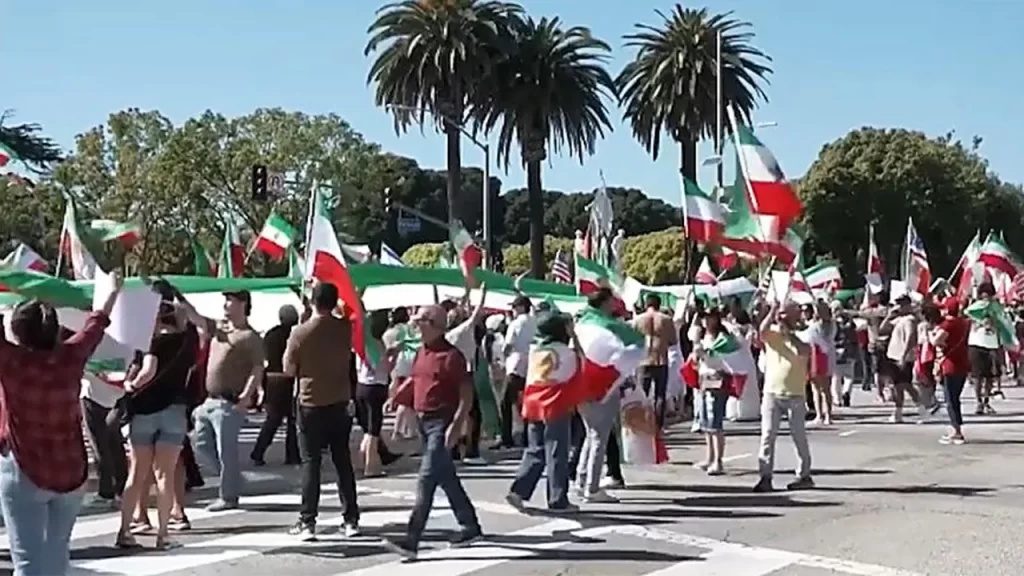
Fatemeh, a university student studying political science, feels compelled to engage in activism through peaceful protest. “Nothing will change unless we stand together,” she says, reflecting the sentiments of many young Iranian-Americans who work to raise awareness about human rights abuses in Iran.
The Role of Community Support
Building Bonds in Times of Crisis
During tumultuous times, the Iranian-American community in Los Angeles often comes together to support each other emotionally and financially. Community centers, cultural organizations, and mosques serve as safe spaces for sharing concerns and experiences. Group gatherings and discussions allow for emotional release and solidarity.
Fundraising and Support Initiatives
Several organizations are mobilizing efforts to provide aid to those affected by conflict in Iran. Fundraising events, donation drives, and social media campaigns have gained traction among this tight-knit community. The desire to help loved ones back in Iran fosters a sense of camaraderie and shared purpose among Iranian-Americans.
The Influence of Media and Social Platforms
Social Media as a Mobilizing Tool
Social media platforms play a significant role in shaping opinions and mobilizing the community. Hashtags like #StandWithIran have garnered global attention, allowing Iranian-Americans to voice their concerns while rallying others to join their cause. Platforms like Instagram and Twitter provide a canvas for sharing stories, organizing protests, and connecting with like-minded individuals.
Misinformation and Challenges
However, the proliferation of information on social media also presents challenges. Misinformation can spread rapidly, leading to further division within the community. Many Iranian-Americans emphasize the importance of consuming news from reliable sources and engaging in respectful dialogues to foster understanding.
Bridging Cultural Gaps
Interactions with Non-Iranian Allies
As the Iranian-American community in Los Angeles navigates its response to the Iran war, alliances with other communities can foster a supportive environment. Many Iranian-Americans are finding common ground with other peace advocates. The collaborative efforts help bridge cultural gaps and pave the way for more comprehensive dialogues about the conflict.
Encouraging Understanding Between Generations
The Iranian-American experience can differ significantly between first-generation immigrants and their children. While older generations may focus on preserving cultural heritage, younger members might prioritize progressive values. Initiatives aimed at intergenerational dialogue encourage understanding and collaboration.
Looking Ahead: Hope for the Future
Seeking a Peaceful Resolution
Despite the mixed emotions surrounding the Iran war, many Iranian-Americans remain hopeful for a peaceful resolution. Activism, advocacy, and community support can lead to impactful changes, whether in Iran or for the Iranian diaspora in the U.S. The desire for peace underlines many conversations and actions taking place within the community.
Optimism in the Face of Adversity
As tensions fluctuate, the resilience of Iranian-Americans in Los Angeles shines through. Balancing the complexities of cultural identity with current events, many find strength in their connections to one another and their shared values. This community will continue to advocate for justice and change, even amid uncertainty.
Conclusion
The response of Iranian-Americans in Los Angeles to the Iran war encapsulates a tapestry of emotions woven from personal stories, historical contexts, and future aspirations. While heartbreak and challenges exist, the community demonstrates resilience and hope, striving for a future defined by peace and justice. As they navigate these complex feelings, the importance of solidarity, activism, and cultural preservation remains fundamental. Through collective efforts, the Iranian-American community can aspire for a brighter tomorrow—not just for themselves but for their compatriots in Iran as well.
By optimizing this article with relevant keywords such as “Iranian-Americans,” “Los Angeles,” “Iran war,” and “community support,” it is primed for search engines, ensuring it reaches those seeking to understand the Iranian-American perspective during these critical times.