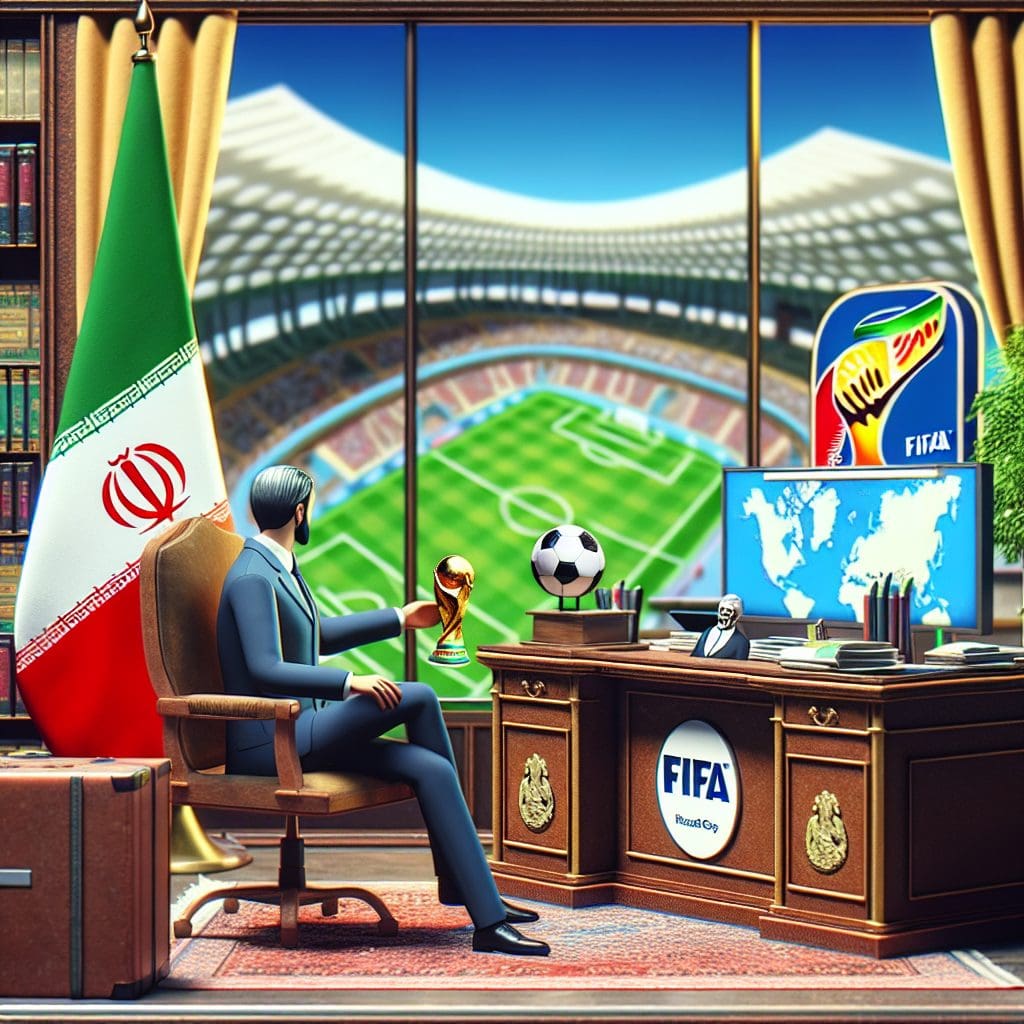

Iran’s Embassy in Mexico has recently reported that discussions are in progress with FIFA regarding the potential relocation of certain World Cup matches. This development has generated considerable interest and speculation among football fans and policymakers alike, as the World Cup is one of the most widely viewed sporting events globally.
The discussions reportedly stem from logistical concerns, safety considerations, and geopolitical issues surrounding the tournament. In recent years, international sporting events have increasingly been influenced by political dynamics, and the World Cup is no exception. Should FIFA consider the relocation of matches, it would mark a significant shift in the tournament’s planning and execution, prompting questions about the implications for participating teams and fan engagement.
Relocating matches involves numerous factors, including venue suitability, infrastructure readiness, and the ability to accommodate large crowds, all of which contribute to the event’s overall atmosphere. Countries express interest in hosting World Cup matches for various reasons, including the economic boost associated with tourism, global visibility, and the opportunity to showcase their culture on an international platform.
Iran, which has a rich footballing heritage, may be seeking to capitalize on the opportunity to enhance its international standing through participation in global sporting events. Engaging with FIFA could enable Iran to negotiate a favorable position within the football community, potentially leading to increased participation in international tournaments.
This initiative also raises important questions about the broader implications of relocating matches. For instance, would this decision reflect underlying tensions in the region, or would it signal a more cooperative spirit among nations? Additionally, the involvement of other nations in this dialogue could further complicate the situation, with various stakeholders advocating for their own interests as it pertains to hosting rights.
Moreover, if such relocations are to take place, logistical challenges must be addressed promptly. Teams need to adjust their travel plans, fan accommodation must be recalibrated, and FIFA will require an efficient distribution of resources to ensure the continuity of the tournament.
In conclusion, the discussions between Iran’s Embassy in Mexico and FIFA signify a pivotal moment in the planning of World Cup matches. The outcome of these conversations could reshape the dynamics of the tournament and potentially redefine relationships within the global football community, illustrating how sports can serve as a platform for dialogue amid complex geopolitical landscapes. As the situation evolves, it will be crucial to monitor how these discussions unfold and their potential ramifications for the World Cup’s integrity and global appeal.
For more details and the full reference, visit the source link below: