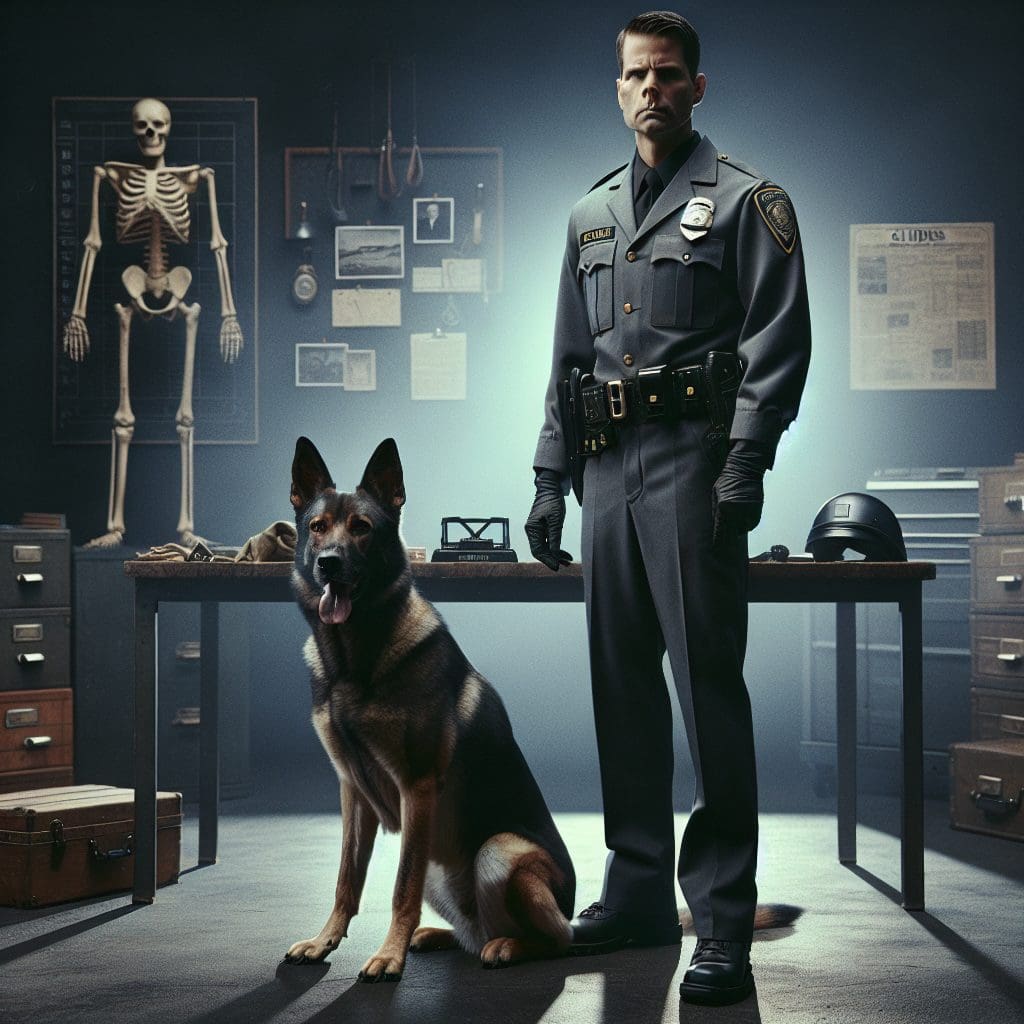

In the ongoing investigation into the tragic disappearance of Nancy Guthrie, former K9 officer Mark Stevens has emerged as a passionate advocate for the inclusion of cadaver dogs in the search efforts. His expertise in handling these specialized canines provides valuable insight into the potential they have in solving this heartbreaking case.
Cadaver dogs, trained to detect human remains, can significantly enhance the effectiveness of search operations, especially in areas that may be difficult for human searchers to access. Their acute sense of smell allows them to locate scent trails that likely remain hidden from the human eye. Stevens, having worked alongside these remarkable animals for over a decade, believes that their deployment could yield crucial leads in the effort to locate Guthrie.
Stevens emphasizes the importance of timing in investigations like these. The sooner cadaver dogs are brought into a search, the higher the chances of uncovering critical evidence. In cases where significant time has passed since a disappearance, the use of these dogs becomes even more vital, as the natural elements that degrade scent may hinder human efforts. The advances in dog training techniques have also improved the reliability and accuracy of cadaver dogs, making them indispensable tools in modern forensic investigations.
Moreover, Stevens argues that employing cadaver dogs not only aids law enforcement but also provides solace to families seeking closure. The presence of these skilled canines may offer hope for families like Guthrie’s, who are desperate for answers. The emotional weight of a loved one’s disappearance often compels family members to explore every possible avenue. For them, the deployment of cadaver dogs represents not just a search for evidence, but a quest for peace.
In addition to technical skills, Stevens advocates for community involvement and support surrounding the use of cadaver dogs. Engaging local volunteers and organizations can enhance search efforts and mobilize greater public awareness. This cohesion can provide a stronger network for information sharing and increase the likelihood of uncovering vital details surrounding a case as sensitive as Guthrie’s.
Finally, Stevens calls for law enforcement agencies to consider the integration of cadaver dogs as standard practice in investigations involving missing persons. His conviction stems from a desire to see justice served while also highlighting the compassion and hope that can emerge from tragic situations. The use of cadaver dogs may very well be a cornerstone in not only finding Nancy Guthrie but also ensuring that her memory and the memories of other missing individuals are honored.
For more details and the full reference, visit the source link below: