
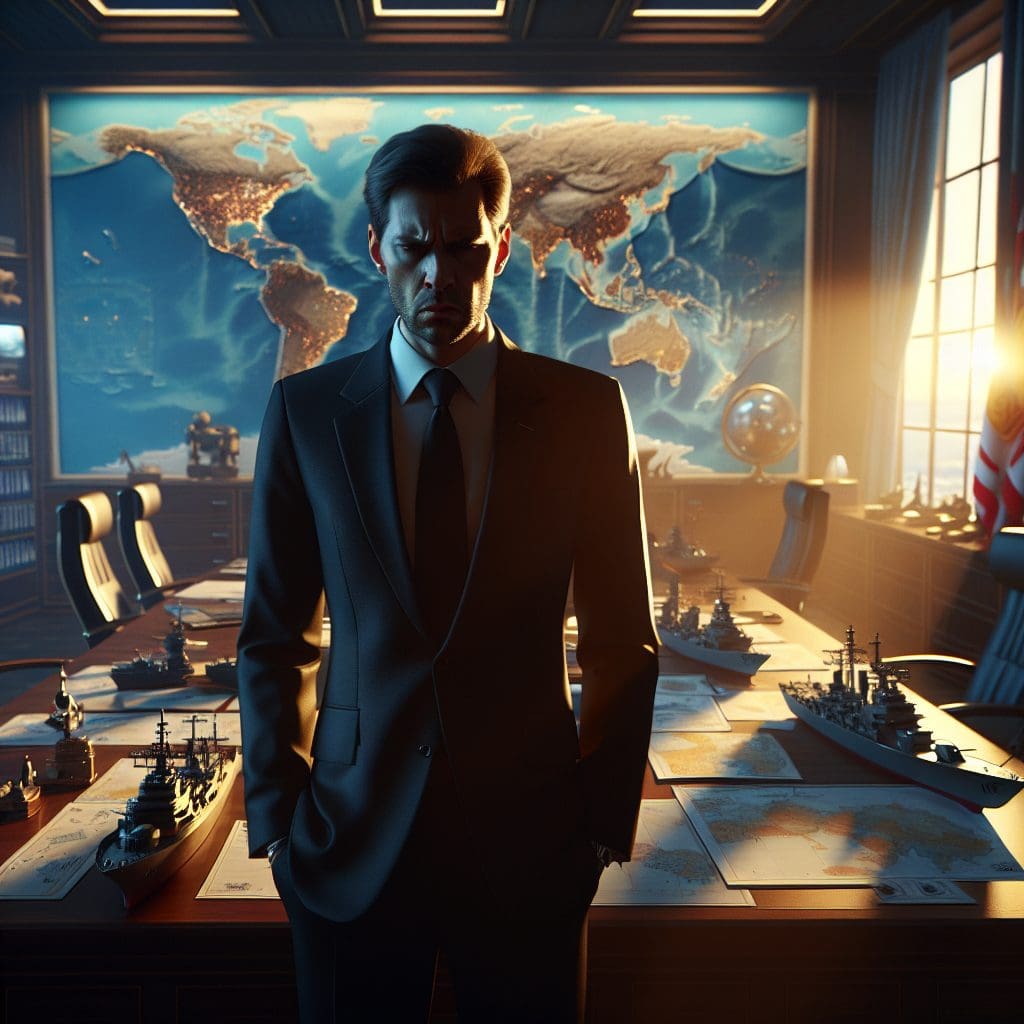

In a recent turn of events, President Donald Trump expressed frustration after several major U.S. allies declined his request for military escorts in the Strait of Hormuz. This strategic waterway, through which a significant portion of the world’s oil supply is transported, has been a focal point of rising tensions between the United States and Iran. As the U.S. ramped up its rhetoric against Iran, Trump sought to form a coalition of allies to bolster security and deter potential threats in the region. However, the lukewarm response from key partners signals not only diplomatic challenges but also a potentially shifting landscape in international alliances.
The request for warship escorts stemmed from increased threats, including Iranian provocations that put commercial shipping at risk. The U.S. has long maintained a naval presence in the region, especially after incidents involving attacks on oil tankers attributed to Iran. Trump’s administration viewed the need for additional support from allies as paramount for ensuring freedom of navigation and strengthening collective security. However, the hesitance of countries like the UK and France to commit naval resources raises questions about their willingness to engage in military operations under U.S. leadership.
Critics argue that this situation underscores a broader trend of declining American influence on the global stage. With rising multipolarity, countries are more inclined to pursue their national interests, sometimes at odds with U.S. positions. The Allies’ reluctance to be drawn into what many see as an escalation of military involvement reflects not only concerns about the implications of a conflict with Iran but also a desire to adhere to diplomatic avenues rather than military solutions.
Furthermore, the lack of support could also indicate differing strategic priorities among allies. While the U.S. has been vocal in its “maximum pressure” campaign against Iran, European nations have expressed a preference for maintaining channels of dialogue and avoiding military entanglement. This divergence complicates efforts to present a unified front in dealing with Tehran, particularly as these allies work to revive the Joint Comprehensive Plan of Action (JCPOA), designed to curb Iran’s nuclear ambitions.
Trump’s frustration is emblematic of larger, evolving dynamics in international relations, where long-standing alliances are tested by differing national interests, risk assessments, and approaches to global security. As the administration navigates the complexities of coalition-building in an increasingly multipolar world, the responses—or lack thereof—from its allies will have profound implications for U.S. foreign policy and its strategic posture in crucial areas like the Strait of Hormuz.
For more details and the full reference, visit the source link below:


