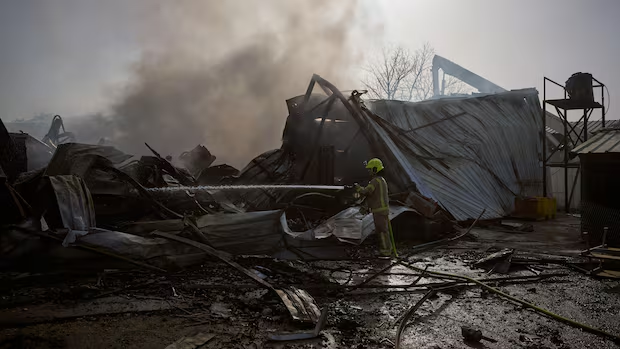

In recent weeks, tensions in the Middle East have surged following a significant escalation of hostilities between Iran and Israel. The backdrop of this unrest is marked by Israel’s recent assault on an Iranian gas field, which has prompted Tehran to retaliate by intensifying strikes on Gulf energy sites. This volatile situation draws international attention as it poses a risk not only for regional stability but also for global energy markets.
Iran’s military strategy appears aimed at signaling its resolve against Israeli actions perceived as aggressive and undermining to its national interests. Following the Israeli attacks, which were reportedly aimed at crippling Iran’s energy infrastructure, Tehran responded robustly. Iranian forces have launched drone and missile strikes targeting vital energy installations across the Gulf, a critical region responsible for a significant percentage of the world’s oil supply. This retaliatory approach underscores Iran’s intention to demonstrate its capacity and willingness to protect its energy assets and convey a clear message of deterrence to its adversaries.
In this context, the Gulf states are bracing for potential ramifications. Countries like Saudi Arabia and the United Arab Emirates could see their oil production facilities and shipping lanes become potential targets in this escalating conflict. The inherent risk associated with these energy sites has raised alarms among global energy traders, prompting fears of disruptions to oil supply that could lead to soaring prices. Any significant disruption in the Gulf, a pivotal oil transit route, could reverberate across international markets, affecting consumers worldwide.
Furthermore, the broader geopolitical implications of these strikes cannot be overlooked. This conflict threatens to destabilize not only the Gulf region but also the fragile balance of power within Middle Eastern politics. As Iran solidifies its military capabilities and expands its reach, neighboring nations may reassess their alliances and defense strategies. The potential for miscalculations or unintended escalations remains high, with each military action compelling a response from other regional powers.
International players, particularly those dependent on stable oil markets, are closely monitoring the situation. Diplomatic efforts may be necessary to prevent a full-scale escalation that could spiral out of control. While some nations have urged for a de-escalation, others continue to support Iran or Israel, contributing to a complex web of alliances that complicate efforts toward peace.
In conclusion, the recent surge in strikes by Tehran on Gulf energy sites following Israeli assaults highlights the fragile and volatile nature of regional security dynamics. With global economic stability at stake, the international community must engage proactively to mitigate tensions and promote dialogue in this increasingly combustible theater of conflict.
For more details and the full reference, visit the source link below: