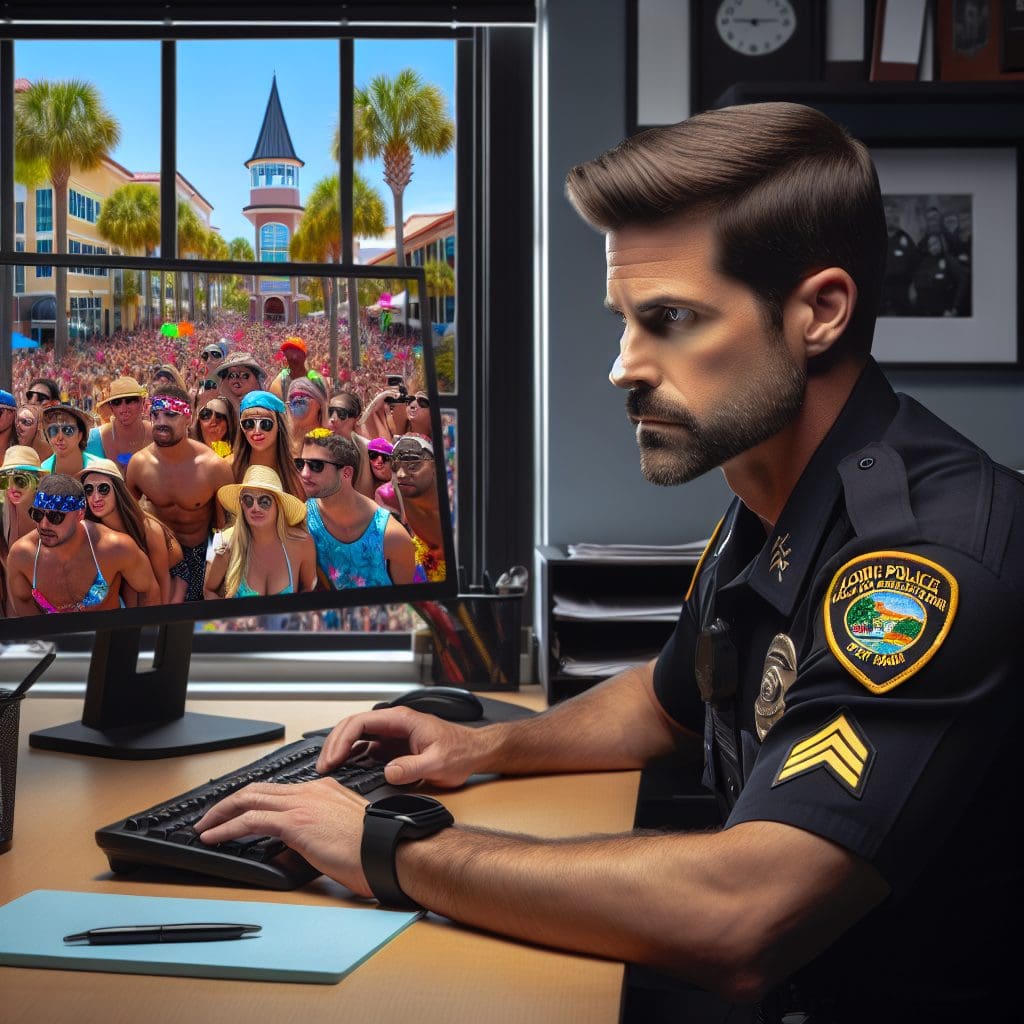

In recent years, Florida’s popular spring break hotspots, such as Daytona Beach and Fort Lauderdale, have garnered attention not only for their sun-soaked beaches and vibrant nightlife but also for the chaos that often accompanies the influx of college students. Responding to the challenges posed by large crowds and unruly behavior, local law enforcement, particularly sheriffs in beach communities, have begun harnessing the power of social media to maintain order and enhance safety.
One prominent example is Sheriff Grady Judd of Polk County, known for his engaging and often humorous social media presence. By leveraging platforms such as Facebook, Twitter, and Instagram, Judd communicates directly with the public, providing real-time updates about events and potential hazards. His approach has not only heightened public awareness but has also encouraged responsible behavior among spring breakers.
The use of social media allows law enforcement to disseminate crucial information quickly. For instance, warnings about overcrowded areas, traffic disruptions, and local regulations can be shared instantly, helping to prevent situations from escalating. Moreover, Sheriff Judd often posts educational content aimed at college students, emphasizing the importance of safe drinking practices, understanding law enforcement authority, and respecting public spaces. By addressing these issues directly and constructively online, he fosters a cooperative atmosphere between law enforcement and young revelers.
Engagement goes beyond mere announcements. Jurisdictional social media accounts often showcase a lighter side of policing, sharing memes, videos, and even humorous commentary during events. This approach not only draws attention but humanizes officers, making them seem more approachable. When law enforcement entities portray themselves positively, it can lead to greater compliance from party-goers who may otherwise disregard regulations.
Furthermore, the viral nature of social media means that messages can be amplified beyond the immediate community. When sheriff’s offices engage in entertaining and educational campaigns, content often gets shared widely, sparking dialogues that resonate on college campuses across the nation. This can lead to a cultural shift among students, encouraging them to act responsibly when they visit Florida for spring break.
Finally, successful engagement on social media serves as a deterrent. Knowing that their actions are being monitored and that law enforcement is actively engaged with the community can dissuade would-be troublemakers from engaging in reckless or illegal behavior.
In conclusion, by harnessing the power of social media, Florida sheriffs are not only addressing the challenges of spring break mayhem but are also reshaping the relationship between law enforcement and young adults. Through transparency, humor, and ongoing engagement, they are fostering a safer and more responsible environment for all who flock to Florida’s beaches during this lively season.
For more details and the full reference, visit the source link below: