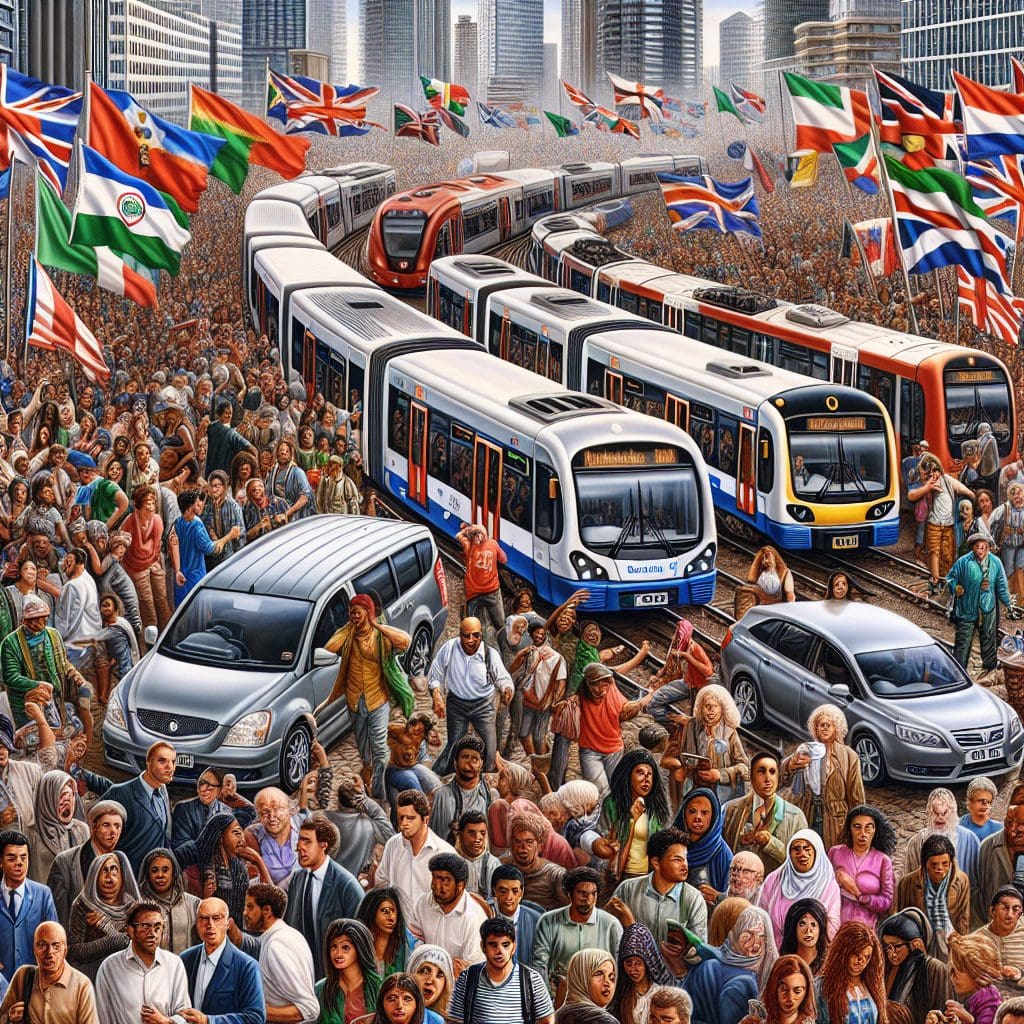

As Canada prepares to host the FIFA World Cup, the excitement surrounding this monumental event is tempered by concerns over chaotic transit systems and their potential impact on local communities. Major cities such as Toronto, Vancouver, and Montreal are bracing for the influx of thousands of visitors, which can strain public transportation and create disruptions for residents.
One of the most significant concerns is the ability of urban transit systems to handle the increased demand. In a typical year, these cities experience bustling traffic, but the addition of sports fans from around the globe is expected to exacerbate existing challenges. The potential for overcrowded trains and buses, coupled with delays, raises worries about accessibility for both locals and tourists. If transit systems fail to accommodate the surge in ridership, the result could be long lines, missed events, and widespread frustration, which would tarnish the experience for visitors and locals alike.
Furthermore, chaotic transit can have ripple effects beyond the immediate inconvenience of travel delays. Local businesses that rely on foot traffic might suffer if people are unable to navigate the city smoothly. Restaurants, shops, and entertainment venues could see diminished patronage, harming the local economy at a time when it should be thriving. Community leaders warn that if businesses struggle, it could lead to longer-term repercussions, such as job losses and a slowdown in community revitalization efforts.
Another concern is the potential increase in traffic congestion. Many fans may choose to drive to matches or events, adding to an already busy urban landscape. This can lead to roadblocks and increased pollution, further deteriorating the quality of life for residents. Communities already grappling with issues related to air quality and public safety may find their challenges exacerbated during the tournament, making it imperative for city planners to develop effective mitigation strategies.
To address these concerns, local governments must prioritize comprehensive transit planning and stakeholder engagement. Collaborating with transit authorities, community organizations, and businesses to establish clear communication about expected changes can help mitigate chaos. Implementing temporary transit options, such as shuttle services and dedicated lanes for event traffic, can also improve flow and reduce stress on existing systems.
In conclusion, while the World Cup presents a unique opportunity for Canada to showcase its vibrant cities to a global audience, the potential for chaotic transit and its associated impacts on communities raises significant concerns. Effective planning, investment in infrastructure, and community involvement will be crucial in navigating these challenges while maximizing the benefits of hosting such a high-profile event. The success of the tournament will not only depend on the teams competing on the field but also on the experiences offered to fans and residents alike.
For more details and the full reference, visit the source link below: