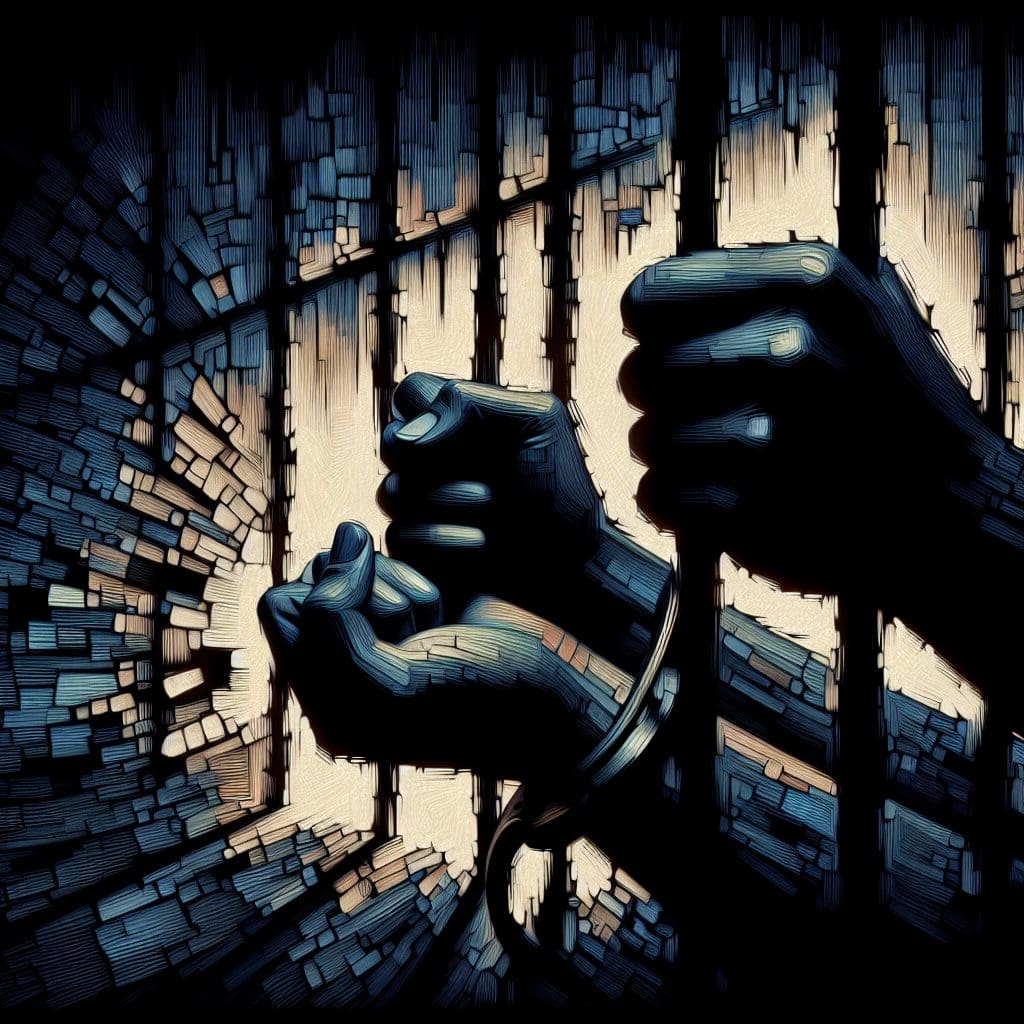

Fear, arrests, and oppression serve as pervasive elements that shape the everyday lives of Iranians, particularly in the context of ongoing political conflict. This atmosphere of trepidation affects not only personal freedom but also societal relations, mental health, and the pursuit of a better future.
In Iran, the government wields its power through a combination of surveillance, censorship, and a heavy-handed approach to dissent. Citizens are often wary of expressing their opinions, especially on politically sensitive topics. This fear is exacerbated by a history of arrests and detentions of activists, journalists, and ordinary citizens who dare to voice their grievances. The Iranian authorities implement strict laws that penalize any form of opposition, giving rise to an environment where self-censorship becomes a survival mechanism.
This constant fear permeates daily life. Conversations in public spaces are often laced with caution; individuals may choose to remain silent rather than risk attracting unwanted attention. Friendships and family dynamics can be strained by the weight of these unspoken anxieties, as people navigate their expression of thoughts in fear of repercussions. Oppression manifests not just in strict government policies but also in the collective psyche of the population, where fear distorts relationships and interactions.
Moreover, the threat of arrest looms large. Many Iranians have witnessed friends or family members being detained for engaging in protests or simply sharing critical viewpoints on social media. These arrests are often arbitrary and can lead to prolonged imprisonment without due process. Such experiences create a culture of fear that discourages activism and stifles dissent, further entrenching the status quo. The chilling effect of potential arrests fosters a climate of apathy among some, as the risks associated with resistance appear insurmountable.
The impact of oppression extends beyond political expression; it also affects economic opportunities. Those who are perceived as dissenters may find employment prospects limited. Businesses that do not align with state-mandated ideologies face scrutiny, and entrepreneurs may be hesitant to innovate under such oppressive conditions. This not only stifles creativity but also perpetuates cycles of poverty and disenfranchisement.
Despite these challenges, Iranians exhibit resilience. Many find subtle ways to resist, from art and literature to underground movements that challenge the oppressive narratives enforced by the regime. While fear, arrests, and oppression are integral to the Iranian experience, the spirit of defiance persists, reflecting an enduring hope for a future where freedom prevails. In this climate of conflict, the struggle for human rights continues to inspire a collective yearning for change, highlighting the indomitable strength of those who dare to dream of a different life.
For more details and the full reference, visit the source link below: