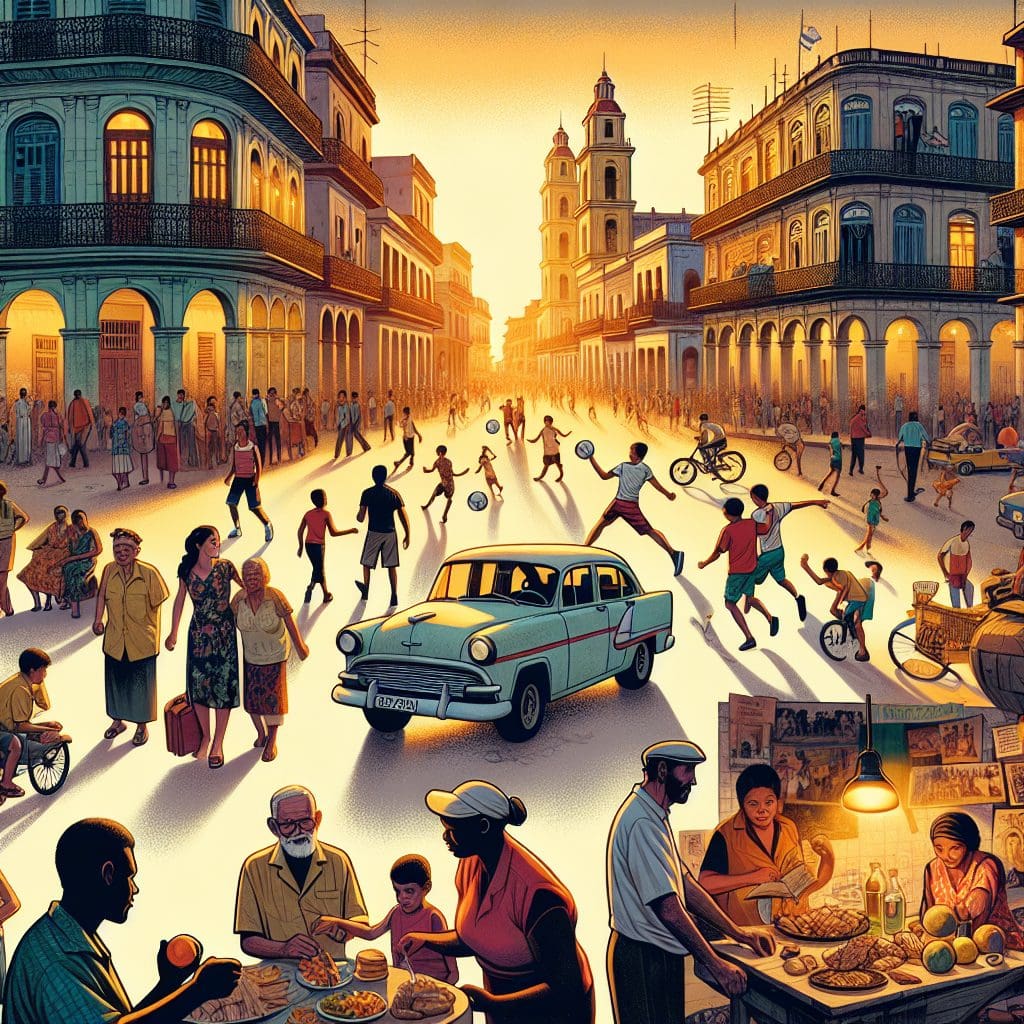

Life after communism presents a complex landscape for Cubans, as the nation grapples with a transition from a centrally planned economy toward more market-oriented reforms. Following the fall of the Soviet Union, Cuba found itself at a crossroads, forced to navigate economic decline while maintaining the ideals of a socialist state. The challenges facing Cubans today are myriad, encompassing economic hardship, social inequality, and the struggle for political freedoms.
Economically, Cuba’s reliance on tourism and remittances from abroad has led to a dual economy characterized by stark inequalities. The shift toward private enterprises has created opportunities, but also a divide between those who can thrive in the new system and those left behind. Many Cubans find themselves facing inflation and limited access to basic goods, underscoring the urgency for reform. The expanding private sector has birthed a new class of entrepreneurs, yet, for many, the lack of capital and bureaucratic hurdles impede genuine economic mobility.
Socially, Cuba is witnessing significant changes driven by the younger generation’s desire for more freedoms and improved living conditions. Internet access, once heavily restricted, has become more widespread, leading to a growing awareness of global norms and human rights. However, with this newfound access comes a demand for political reforms, which the government has often resisted. The discontent has manifested in protests, highlighting the tension between the populace’s aspirations for reform and the state’s commitment to a one-party system.
The emotional landscape of Cubans is also in flux. Nostalgia for the pre-revolutionary past coexists with a yearning for modernity and progress. While some older generations remember the ideals of the revolution fondly, many younger Cubans feel disillusioned, viewing the current regime as stagnant and unresponsive to their needs. The challenge lies in reconciling the revolutionary ideals with the realities of contemporary life.
Critical choices loom large for the future of Cuba. The government must decide between maintaining its strict control or embracing more significant reforms that could lead to democratization. Similarly, the Cuban people must navigate their desires for change while acknowledging the potential risks of destabilization. The path ahead is fraught with challenges, yet it brims with potential for a more open, vibrant society.
In conclusion, life after communism in Cuba is defined by a struggle for identity within the context of change. Economic and social challenges shape the daily lives of Cubans, while critical choices about the future governance and societal structure remain at the forefront of public discourse. As the nation moves forward, the balance between tradition and innovation will be crucial in defining what it means to be Cuban in the 21st century.
For more details and the full reference, visit the source link below: